Refresh rate matters when the source can present new frames and the player can perceive a useful difference. A 120Hz versus 60Hz portable monitor test should keep the game, resolution and controls unchanged. The UPERFECT UColor O2 offers 120Hz for R7,199.
Quick Answer
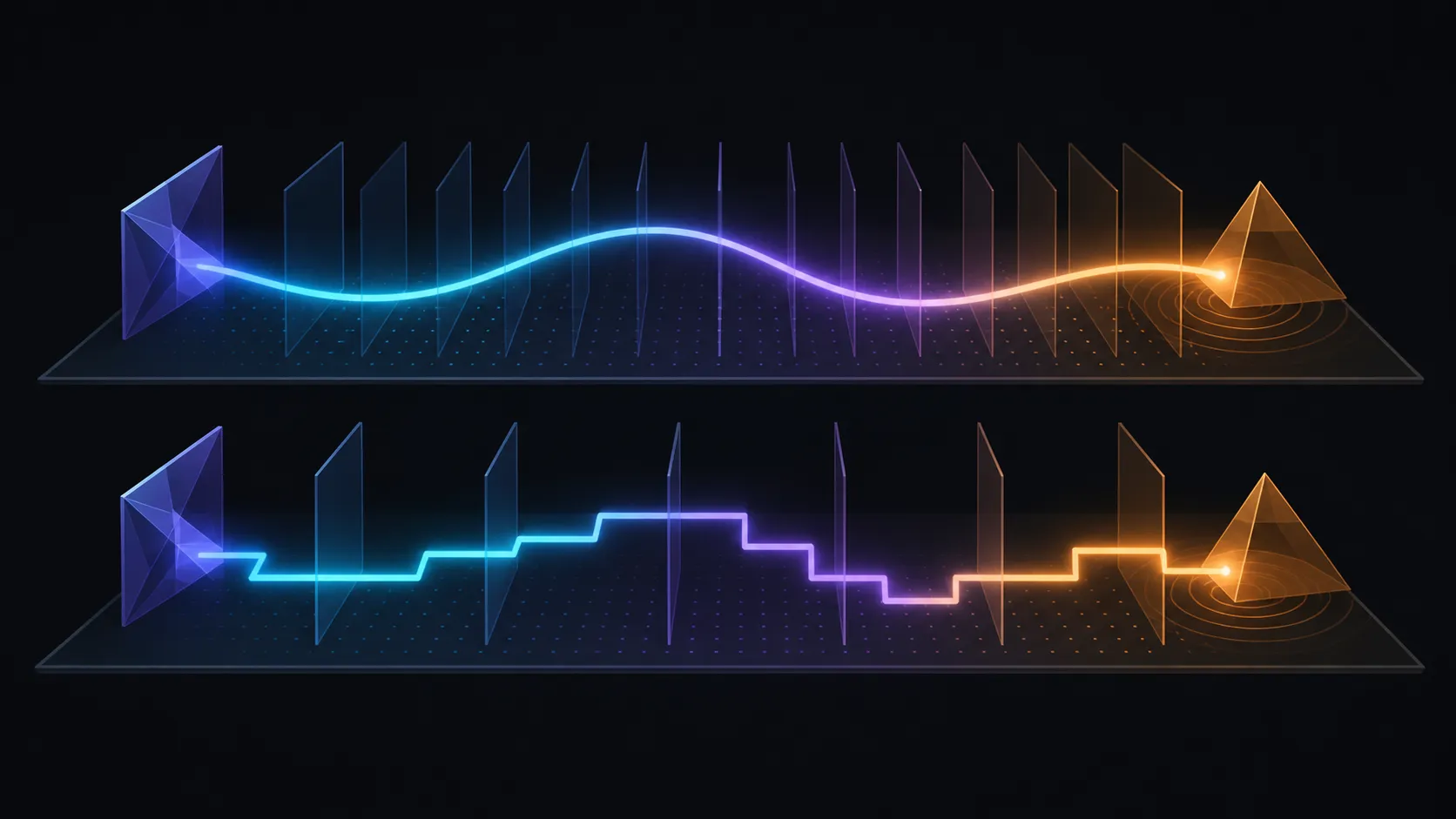
The UColor O2's 120Hz refresh updates twice as often as 60Hz, improving scrolling and fast game motion when the source delivers matching frames.
Choose 120Hz when the complete gaming setup can deliver smoother motion than its 60Hz baseline and that improvement matters to the player. The R7,199 UColor O2 combines 120Hz with a 1ms response specification on a 3K OLED panel. It does not establish frame rate, input latency or competitive results for an unnamed laptop or console.
🧭 Match source output to refresh
Use one game scene with repeatable camera movement. Keep graphics settings and 2880x1800 resolution fixed while comparing available refresh modes. Note frame delivery as well as the monitor setting; a 120Hz selection cannot create frames the source never produces.
Define the source device and target motion before opening Evetech's wider portable-screen range.
🧭 Look beyond the headline number
The response row begins with the UColor O2's 1ms specification. That figure concerns panel transitions; the complete delay also crosses controller input, game engine, rendering and signal transport. Judge those stages separately.
Watch for trailing during motion, then repeat a known control action. Neither observation alone proves a tournament outcome.
🧭 Verify the 120Hz connection
Confirm that the chosen refresh remains active after sleep, reconnection and game launch. Test the exact USB-C host and cable, because the product's single-cable power, audio and video route still depends on the attached equipment.
If 120Hz disappears, return to the direct path and native resolution before replacing several components at once.
🧭 Weight the rest of the screen
Gaming motion does not complete the purchase decision. Under the intended light, check OLED dark scenes, 3K scaling, 500-nit HDR behaviour and the 16-inch view. If travel is secondary, compare fixed gaming screens in the Evetech monitor selection.
The right refresh choice is the one that improves frequent play without creating an unacceptable connection or readability compromise.
Use a frame-delivery diary
Record the game, graphics settings, active resolution and typical frame behaviour during several sessions. Mark moments when the source falls below the range where 120Hz looks useful. This diary prevents a smooth training area from standing in for a demanding match or crowded scene.
If settings change to reach steadier delivery, include the visual trade-off. Refresh value should be judged with the image quality the player is willing to keep.
Compare comfort after the novelty fades
Run the same game at each refresh mode on different days without announcing the selection beforehand. Note eye comfort, target tracking and motion readability after a full session. A brief preference may weaken once the user stops looking specifically for smoothness.
Keep the UColor O2's OLED and HDR controls fixed throughout. The purpose is to test update frequency, not allow contrast or brightness to identify the mode.
Include non-game motion
Scroll a long article, move windows and scrub a compatible timeline at both refresh modes. These tasks can show whether 120Hz provides value outside gaming and whether that matters often enough to affect the price. Keep resolution, scale and brightness unchanged.
Then return to the game and compare the relative importance of each benefit. A buyer who uses the screen for work most days may reach a different weighting from someone who travels mainly for play.
Repeat the comparison after a restart and during a familiar non-game task. A refresh preference that only appears in one test scene should not decide the entire portable-screen purchase. Preserve both results.
Its 1ms response is designed to keep pixel transitions from undermining that higher update rate, reducing smearing in racing and shooters. At 2880x1800, the source workload is demanding, so a console or laptop may not reach 120 frames in every title. Use 60Hz for simpler or battery-conscious sessions and 120Hz where rapid movement exposes the benefit.
Frequently Asked Questions
Is 120Hz always visibly better than 60Hz?
The difference depends on content, source frame delivery and the viewer. Run a controlled comparison on the intended setup.
Does 1ms equal total input latency?
No. It describes a display response figure, while the complete input path includes several other stages.
Must games run at 120 frames per second?
Frame delivery and panel refresh are related but distinct. Measure the source rather than inferring it from the screen.
Can a refresh setting disappear after reconnection?
It can if the route changes. Check the active port, cable, resolution and operating-system display selection.
Ready to compare 120Hz with a real gaming source?
Explore Evetech portable and desktop monitors after fixing the game, resolution, cable and motion test.