


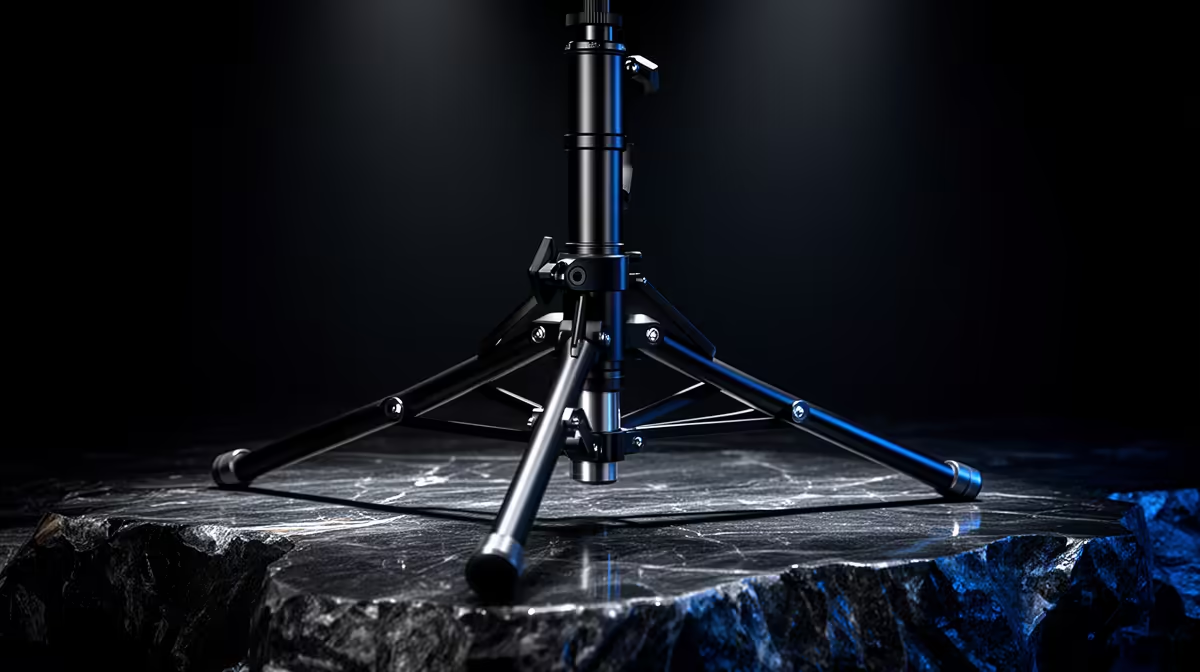
Every backdrop needs something to hang from, and the pair doing that work in most home studios is a 199cm light stand and crossbar system. Together they set your working height, determine how wide a backdrop you can stretch, and decide whether your rig tips in a draught or stays put. The spec numbers on these systems are deceptively simple; what they mean in practice takes a little unpacking.
Quick Answer
A 199cm light stand raises your crossbar to just under two metres, which clears a seated subject and works for most standing single-person shots. The telescoping crossbar extends from around 1.4 to 3 metres wide. Two stands supporting a 3m bar can hold most fabric backdrops and lightweight modifiers.
📐 What 199cm Actually Gives You
At full extension, a 199cm stand places the crossbar head at just under two metres -- roughly 15 to 20cm above the tallest person likely to stand in front of it. That clearance keeps the backdrop behind them rather than ending awkwardly at shoulder height.
For a seated streaming or podcast setup, 199cm is more than enough. You can keep the stands at a lower working height and reserve full extension for occasional standing shots.
One practical check: stability at maximum extension. The centre column carries more leverage the higher the bar is raised. If the stand feels wobbly when fully loaded, add ballast to the legs immediately rather than working around it.
🔧 Crossbar Length and What It Covers
A bar that collapses to around 1.4 metres and extends to 3 metres gives you genuine flexibility. At minimum width it suits a tight portrait frame. At full stretch it spans a standard 298cm muslin with a small overlap at each end -- the right target for a full-frame backdrop.
Steel-cored crossbars carry wide paper rolls and heavier fabric without bowing. Thin-walled aluminium bars are lighter but flex under load. If you plan to use anything heavier than a single muslin panel, verify the bar's stated weight rating before purchasing.
The way the backdrop attaches also matters. A bar with a continuous smooth surface lets the backdrop slide and centre itself. A bar with fixed locking positions forces you to thread the fabric before mounting, which slows down location setups.
⚡ Weight Ratings and Real-World Loads
Most 199cm stands are rated for 3 to 5kg per stand. The common mistake is treating the rated weight as a working target rather than a ceiling. A 3m muslin backdrop weighs 1 to 1.5kg for the fabric alone; the crossbar adds another 0.5 to 1kg. That combination is comfortably within most stands' ratings. A roll of seamless paper at the same width is heavier and may push mid-tier stands toward their limits -- check the roll's weight before hanging it.
💰 Sandbags, Stability, and Long-Term Reliability
This is the component most people buy too late. Even a fully spread stand with a 3m backdrop fabric has significant leverage working against the leg joints when any draught hits the backdrop. A single 5kg sandbag draped over each stand's foot makes an enormous difference to tip resistance. In a sealed studio they are optional. In any room with ventilation, near a window, or at any outdoor location, they are not.
Frequently Asked Questions
Is a 199cm stand tall enough for full-body shots?
Seated and head-to-shoulders framing, yes. For full-body standing shots, the fabric length rather than the stand height becomes the limiting factor. At full extension the crossbar clears most standing subjects, but the backdrop must extend to floor level for complete coverage.
What distinguishes a steel crossbar from an aluminium one in practice?
Steel holds its shape under a wide paper roll or heavy backdrop. Aluminium is lighter to carry, which matters on location, but a thin-walled bar bows visibly under the same load. For home studio fabric backdrops, either works. For paper rolls, the steel-cored option is worth the extra weight.
How do I thread a backdrop onto the crossbar without help?
Lay the collapsed crossbar on the floor and feed it through the backdrop's top loop or pole pocket while horizontal. Once threaded, raise both stands and seat the bar ends into the stand heads. Attempting to thread the fabric with the bar already mounted at height is awkward and usually requires a second person.
Can I use this system for lights as well as backdrops?
The crossbar head mounts the bar end, not a light spigot. If you want lights mounted high, use separate light stands with proper spigot mounts. Combining a backdrop crossbar load with a hanging light is likely to exceed the stand's weight rating.
How often should I check the stand joints and tightening knobs?
Each time you assemble. Locking rings and collar knobs loosen with repeated use, and a joint that felt tight last session may not be now. Fully tighten all column sections before loading the crossbar.
Ready to build a stable backdrop system? Browse the light stand and crossbar range at Evetech and find the right height, reach, and weight rating for your studio or location work.










