An AI-upscaling gaming PC can deliver a strong 4K experience when the game supports the relevant technology and the underlying graphics hardware is fast enough. Upscaling is not a substitute for a balanced processor, sufficient graphics memory or sensible settings. Image quality and latency also vary by game, quality mode and display size.
Choose the GPU from tested games
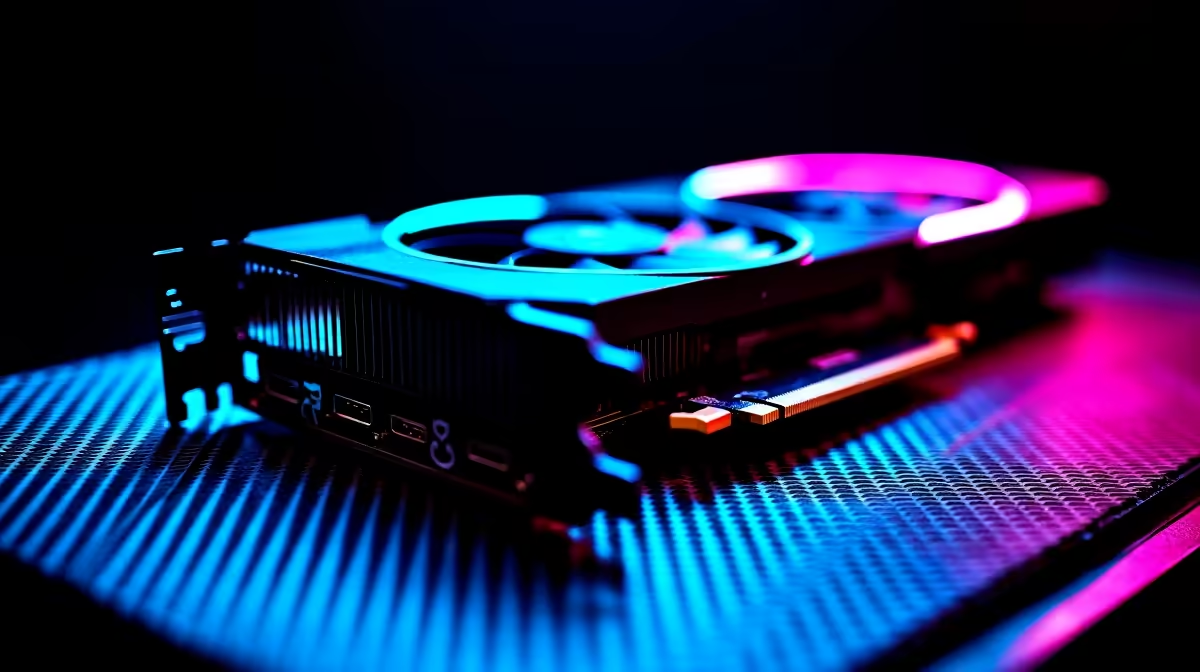
The verified Palit RTX 5070 Ti 16GB at R12,700 offers a high-end graphics option for a compatible desktop. Confirm current game benchmarks, upscaler support and target refresh before selecting it. The processor, memory and storage must keep frame delivery stable, while the case, cooling and power supply must support the complete card. Do not infer performance from the AI label alone.
Compare native and upscaled output
Use the same repeatable game scene to test native resolution, a quality upscaling mode and frame generation where supported. Record base frame rate, frame time, image artefacts, input feel, temperature and noise. Competitive play may favour lower latency over the highest visual setting. Keep game and driver versions in the notes so later comparisons remain meaningful. If a title lacks a good upscaler implementation, the PC still needs enough conventional graphics performance to provide an acceptable fallback. Keep a native-resolution profile for games whose upscaler produces distracting motion artefacts or interface blur.
Planning a 4K gaming PC? > Ask Evetech to balance GPU, processor, memory, cooling and power around the exact games and display.