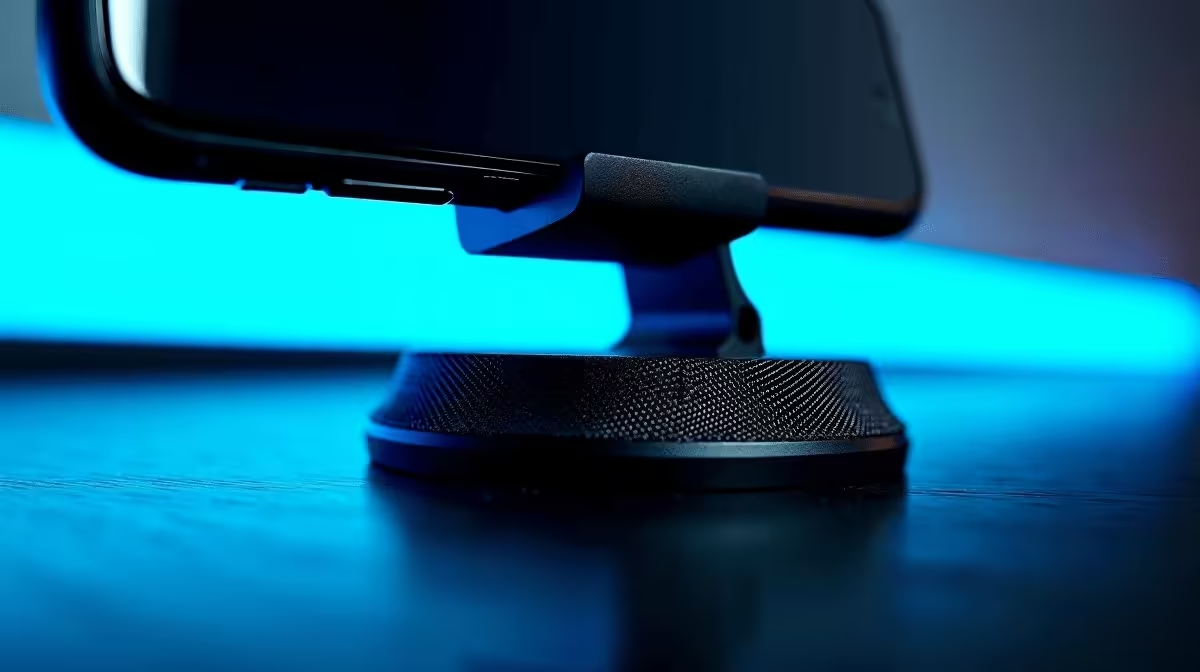
The base of a phone mount is doing more mechanical work than it looks. An anti-slip grip base relies on friction between two surfaces, and that friction depends entirely on the material, the cleanliness of the contact surface, and how much weight the base is asked to support. Getting this right means your mount stays put; getting it wrong means it slides mid-journey.
Quick Answer
Anti-slip grip bases use silicone or gel compounds that create friction through molecular-level adhesion rather than mechanical fasteners. On a clean, smooth dashboard or desk surface, a quality silicone base holds securely with no adhesive required. The base loses tack when coated in dust or oil, and cleaning it with plain water restores grip almost completely within minutes.
🧪 How Silicone and Gel Grip Actually Works
Silicone-based grip pads and gel compounds share the same underlying mechanism: microscopic surface contact points that press against a smooth surface and resist movement under shear force. Unlike a suction cup, which uses atmospheric pressure, a grip pad relies purely on friction. The softer and tackier the compound, the more surface-contact points engage. Gel compounds are generally tackier than standard silicone, which means they hold better on slightly textured surfaces but also attract dust faster. Both materials work well on glass, smooth hard plastic, and lacquered wood. They perform poorly on fabric, perforated leather, and heavily textured dashboards where contact area drops significantly. If your dashboard has a grainy or soft-touch finish, a gel pad may compress into the texture just enough to hold, but a suction cup or vent clip would be more reliable.
🧹 Cleaning to Restore Tack: The Most Overlooked Maintenance Step
A grip base that feels slippery is almost always dirty, not worn out. Dust from South African roads, skin oil from handling, and dashboard wax products all coat the silicone surface and reduce the available contact area dramatically. Rinsing the pad under lukewarm water for 30 seconds and allowing it to air-dry for five minutes restores most of the original tack. Do not use soap, as detergent leaves a residue that reduces friction. Avoid wiping with a dry cloth, which pushes particles into the silicone rather than removing them. Once dry, the pad feels noticeably stickier than before washing. This cleaning cycle can be repeated indefinitely without degrading the material; the compound itself does not wear out under normal use. If tack does not return after washing, the pad has likely been contaminated by a silicone spray or wax product, which bonds into the surface and cannot be fully reversed.
💻 Dual Use: Car and Desk
A silicone grip base designed for a car dashboard also works well on a desk or workstation surface. The same friction principles apply: a smooth laminate desk, a glass mat, or a painted wood surface all accept a gel or silicone pad cleanly. This makes grip-base mounts practical for home-office use, allowing you to prop your phone at an angle for calls or video without a separate desk stand. The one caveat is temperature: silicone and gel compounds become slightly softer in heat and firmer in cold. In a very hot car, the pad may spread slightly under the weight of the phone, reducing effective friction. Parking in shade or using a windscreen cover in summer keeps dashboard temperatures in a range where the grip base performs consistently.
Frequently Asked Questions
How long does a silicone grip base maintain its tack before needing cleaning?
In normal driving conditions, a grip pad may need cleaning every two to four weeks. Dusty roads or handling the pad frequently shortens that interval. A quick rinse restores performance each time.
Can a grip base replace a suction cup for daily driving?
On smooth, clean surfaces such as a glass dash insert or a lacquered centre console, yes. On textured or fabric-covered dashboards, the grip base loses contact area and is less reliable for sustained daily use than a suction cup on glass.
Will a gel pad damage my car's dashboard surface?
Most silicone and gel pads leave no residue and cause no surface damage if left for moderate periods. Extremely soft dashboard materials or padded vinyl may compress slightly over months of continuous contact. Lifting the pad occasionally prevents any permanent impression.
Does temperature affect grip base performance?
Yes. High heat softens the compound slightly, which can increase spread and reduce friction under sustained load. Cold temperatures firm the material, which can make initial contact slightly stiffer. Moderate temperatures, typical of a car interior out of direct sun, give the best consistent grip.
Can I use a silicone grip base on a standing desk or monitor arm?
A horizontal surface, yes. A vertical surface, no. Grip bases rely on friction against a flat horizontal surface; they cannot support vertical loads without a mechanical fastener. For a monitor arm or vertical application, use a clamp or adhesive mount instead.
Secure your phone mount from the ground up. Shop Evetech's car phone mount range for models with quality anti-slip bases that hold firm on dashboards, glass, and desks without leaving a mark.