A home-office chair earns its space by supporting repeated tasks without making adjustment, heat or power management a daily distraction. The best smart ergonomic chair features for home offices connect directly to fit, movement and workflow. The HBADA X7 provides a R14,999 feature reference in South Africa.
Quick Answer
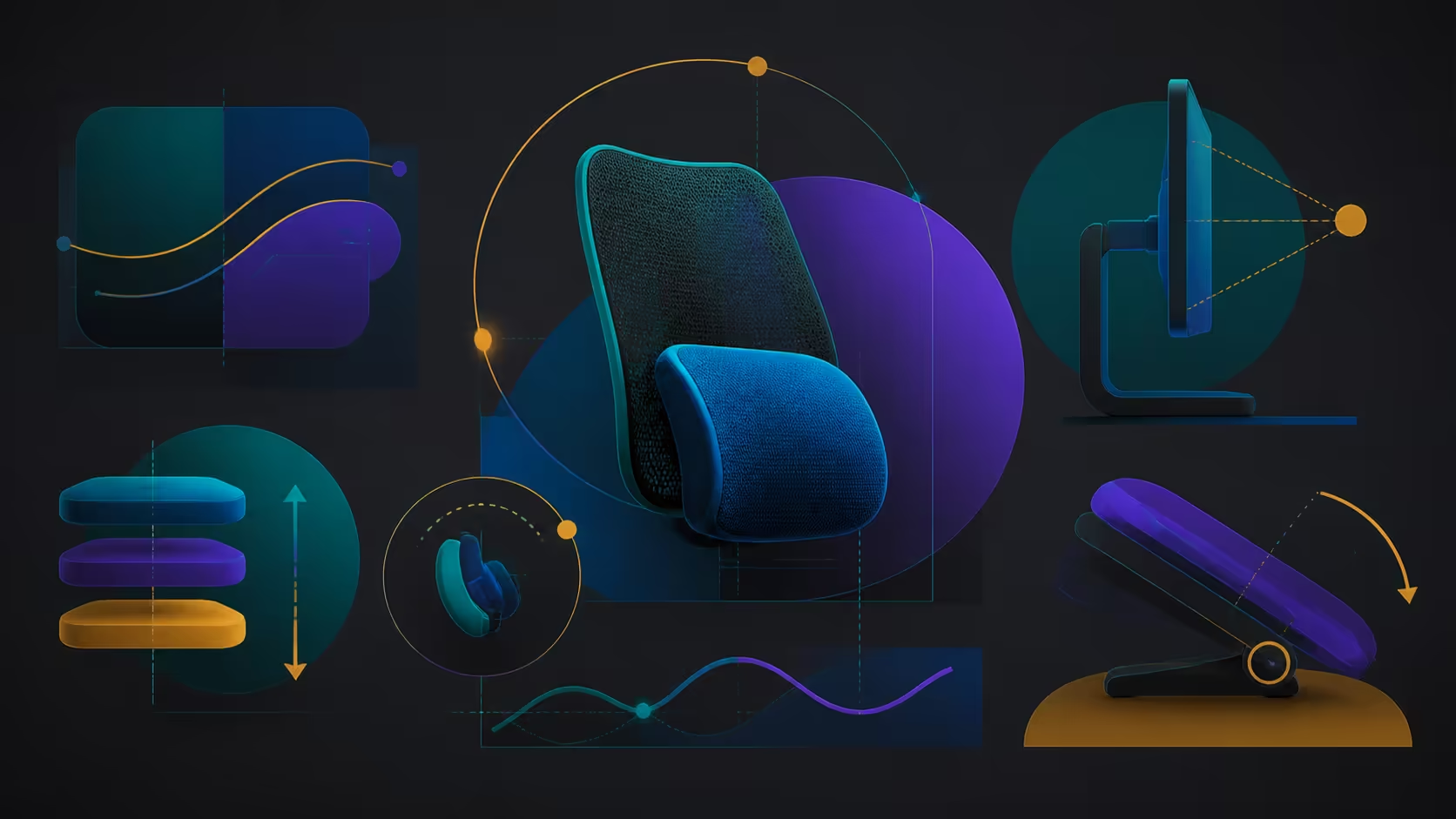
For a South African home office, the X7's strongest smart features are automatic lumbar memory, three-speed ventilation, 720-degree arms, a 4D headrest and a touch control hub.
Prioritise reliable desk fit, useful lumbar contact, understandable adjustment and seat airflow before optional active comfort. The R14,999 HBADA X7 follows lower-back posture automatically, adjusts support in several directions and adds massage, warmth and a ventilated seat. Plan the missing battery and exact room fit as separate requirements.
🧭 Match support to the working day
List the main home tasks and how posture changes between them. Focused typing, video calls, reading and controller use can place the user differently against the backrest. Automated tracking has value when support remains useful through those repeated transitions.
Explore Evetech's HBADA office-chair range with the actual desk height and screen layout in mind. Do not assume dimensions or load capacity from a smart feature list.
🧭 Manage the seating environment
A ventilated seat addresses airflow at the cushion, which can matter in a warm room or long session. Room temperature, clothing and movement still affect comfort, so evaluate ventilation over normal work rather than a brief touch test.
Massage and heat may suit scheduled breaks if the user prefers them. Introduce each function separately and avoid medical claims. The exact modes, temperature range and controls need to come from the chair's operating guidance.
🧭 Plan power and shared use
The X7 does not include a battery. Confirm the required item before relying on powered features, and store the operating instructions where another household user can find them. A good smart setup should return easily to each person's preferred baseline.
Use Evetech office chairs for broader comparison when simpler manual seating may suit the room. Score adjustment clarity, airflow and active-feature use across a working week before deciding whether smart functions earn the premium.
Build a home-office recovery card
Write the position used for focused work, the posture change that confirmed lumbar contact and the active functions normally left off. Add the correct battery requirement only after it is verified. Keep the card near the desk so another household user can restore the baseline.
Test recovery after cleaning, moving the chair or changing the room layout. Confirm that screen and input reach still align before blaming the support system. A smart chair should be part of a reproducible workstation rather than an isolated object with forgotten controls.
Review the card at the end of the month. Remove steps that are never needed and mark functions that remain unused. If ventilation, tracking or a selected break function proves valuable, keep the task that demonstrates it. This evidence makes the R14,999 comparison more durable than an initial feature-count verdict.
The lumbar chip processes pressure feedback 1,000 times per second, while the stainless-steel base and aluminium-alloy backrest support the adjustable systems. Plan the separate battery and actual room fit before deciding whether the R14,999 feature set suits the workspace.
Three wind settings allow the seat airflow to be reduced when a cooler room makes maximum ventilation unnecessary.
Frequently Asked Questions
Which home-office feature should come first?
Start with fit for the desk and useful support during the most frequent task. Extra functions only add value after that baseline passes.
How does the X7 lumbar feature enter the routine?
Fully automated tracking can be judged across forward, centred and relaxed work positions without assuming how its internal sensors operate.
What airflow feature is included?
The X7 uses a ventilated seat cushion. Upholstery, foam construction and exact thermal results are separate details.
When might massage and heat add value?
They may suit a chosen short break when the user enjoys the sensation and follows the operating guidance. They do not promise treatment.
What power issue should be planned?
The X7 arrives without a battery. Once the exact requirement is identified, place that power item in both purchase and setup plans.
What does the HBADA X7 cost in South Africa?
The R14,999 amount buys the X7's automatic lower-back following, adjustable support, active massage and warmth, plus seat ventilation. Buyers still need a battery, and must verify room dimensions and supported capacity. Compare the completed total with a simpler chair only after both pass equal home-office fit and airflow trials.
Keep the preferred reset profile with each exact model and reproduce it after the home-office layout changes.
Retest after the room layout changes.
Ready to fit smart seating into the home office rather than around it?
Compare Evetech chairs using your desk, daily tasks, airflow needs and power plan.