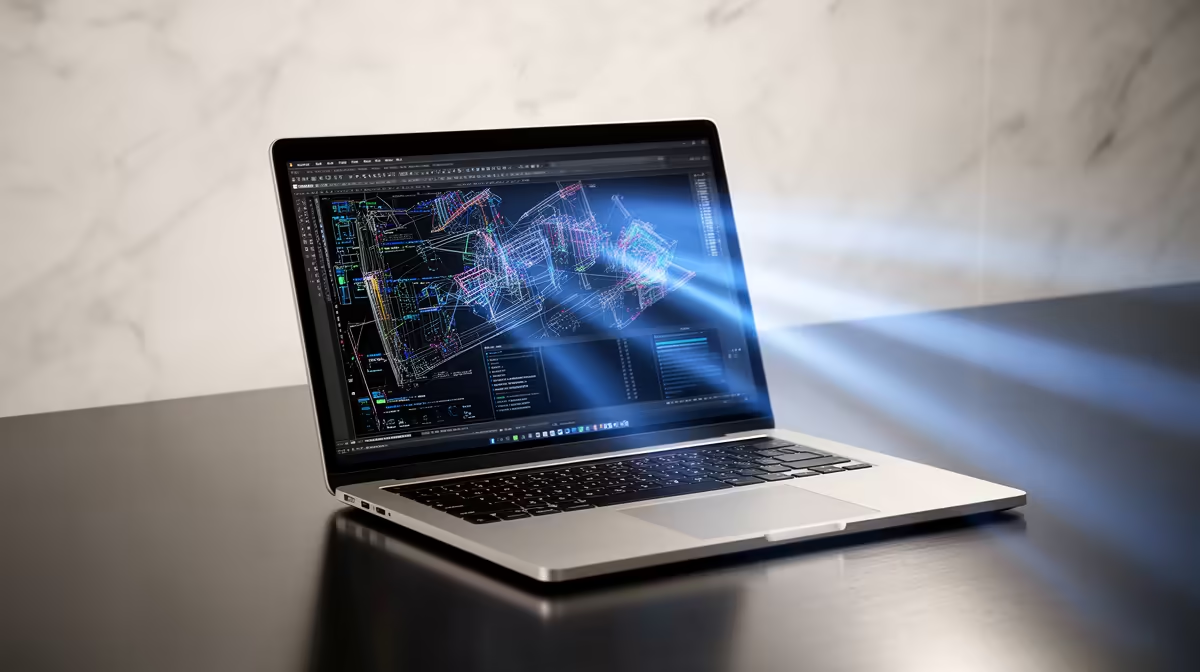
Simulation work can turn a basic study laptop into a waiting room of progress bars. A chemical engineering laptop should be sized around Aspen and your course's real models, with processor, memory and cooling considered together.
Quick Answer
Chemical engineering simulation can outgrow an entry student laptop. For Aspen tools and related numerical work, target a current Windows machine with a strong Ryzen 5 or Core i5 class processor, 16GB memory and a 512GB SSD. Some modules can begin in campus labs or on lighter hardware, while large models and several engineering applications reward more memory and processor headroom. Ask which Aspen product, release and model size the department teaches, then use that release's published system requirements.
Why simulation changes the floor
A process model holds components, property methods, unit operations and solver work in memory. The laptop may also run spreadsheets, PDFs and browser references. Eight gigabytes can become cramped before the simulation itself reaches a large scale.
Processor performance affects calculations and the time spent waiting after a model change. A capable mid-range chip is a better degree target than the lowest entry processor. An SSD keeps Windows, applications and project files responsive.
Dedicated graphics is not an automatic Aspen requirement. Other chemical-engineering tools, 3D work or visualisation can create that need. Check the full faculty software list before paying for a gaming-class GPU.
Buy around the actual teaching setup
Confirm whether students install the software on personal laptops, use a remote desktop or work in a lab. Ask about Windows edition support and licence access. A powerful laptop cannot fix an unsupported operating system or unavailable student licence.
The Legion Go S is not a study-laptop substitute even when its processor looks capable; screen, keyboard and application setup matter. Compare complete notebooks built for sustained work.
As a July 2026 reference, the Ninkear A15 Pro offered a Ryzen 5 5500U, 16GB memory and 512GB storage for R9,499. Verify the exact software and Windows requirements before choosing any named configuration.
Review popular laptop options for balanced machines. Use the performance laptop range when another engineering application confirms dedicated graphics or heavier cooling needs.
Plan for the full degree
Choose upgradeable memory when possible. A laptop that starts at 16GB and can expand has a path for larger projects. Keep enough SSD space for installers, simulation cases and backups.
Battery life still matters for lectures, though simulation runs are best done near power on a ventilated desk. Sustained performance depends on cooling, so avoid blocking the intake with bedding or a soft bag.
Save a known working model before changing solver settings. That small checkpoint can protect an afternoon of setup when an experiment refuses to converge.
FAQ
Is 16GB memory enough for Aspen?
It is a sensible student target for many learning models, subject to the exact Aspen product and case size. Larger work can need more.
Does chemical engineering require dedicated graphics?
Simulation alone does not settle it. Check the complete application list, including modelling and visualisation tools.
Can an entry laptop cover first year?
It may cover documents and introductory work when labs handle simulation. Buy only after confirming when personal installation begins.
Confirm the Aspen release and largest student model, then compare a 16GB engineering laptop with room to grow.