A new prebuilt does not need a fresh Windows installation merely because it arrived assembled. First inspect the installed apps, activation, recovery tools and hardware behaviour. Reinstall when you have a specific goal such as a new system-drive layout, an untrusted existing image or a software fault that survives ordinary repair.
Quick Answer
Inventory the PC and create a performance baseline before changing the operating system. Open Installed apps and Startup apps, remove software you understand and keep drivers or control tools needed by the hardware. If the setup is clean, activated and stable, use it. For a reinstall, back up data, recovery keys and drivers, then use trusted Microsoft media and the motherboard support path.
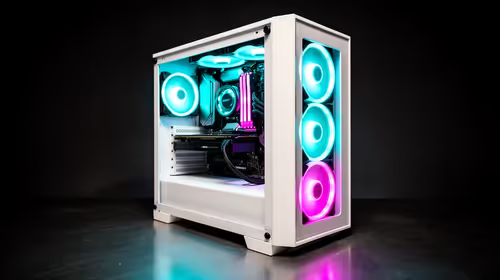
Evetech's gaming PC offers provide the system configuration you should record first. The PC best-seller page helps compare complete builds before a custom drive layout becomes the deciding factor.
Inspect Before You Wipe
Check Windows activation, edition, Device Manager and Installed apps. Confirm every ordered component and save the BIOS, driver and benchmark baseline. A reinstall destroys evidence that could explain an arrival problem.
Remove an unwanted launcher or utility through Settings and restart. A few optional applications do not justify rebuilding a healthy system.
Keep motherboard audio, network, RGB, fan and graphics components until you know which features depend on them.
Good Reasons to Reinstall
A custom partition plan, replacement system SSD, corrupted Windows image or unclear prior ownership can justify a clean start. A repeatable software fault that remains after supported repair may also be easier to solve with a fresh image.
Prepare first. Save personal files, BitLocker recovery information, licence details and network drivers. Export a hardware inventory and note any RAID or storage-controller requirement.
Rebuild From Trusted Sources
Create current Windows installation media from Microsoft. During setup, identify the target drive by model and capacity. Disconnect secondary data drives when that reduces the risk of selecting the wrong disk.
After Windows, install chipset, network, audio and device-specific software from the component makers' supported pages. Add the graphics driver, run Windows Update and restart before games.
Do not install a generic driver bundle or restore every old tuning utility at once. Build the clean baseline in layers.
Verify the Fresh System
Check activation, Device Manager and every storage volume. Test audio, Ethernet, Wi-Fi, sleep and the case controls before installing the full game library. Run the same baseline workloads saved from the arrival image.
A clean install that performs worse may be missing a chipset, storage or power-management component. Fix the supported driver stack before using a tuning guide to hide the gap.
FAQ
Does every new prebuilt contain unwanted software?
No. Inspect the actual installed and startup apps. Remove known extras without assuming the whole image is bad.
Can reinstalling fix a hardware fault?
No. It can clarify a software problem, but unstable memory, storage or cooling needs hardware diagnosis.
Can a reinstall affect support?
Support and recovery expectations vary. Preserve the original hardware record and check the seller's current terms before erasing recovery partitions.
Inspect the installed image and save the arrival baseline, then reinstall only for a clear layout, trust or repair goal you can name.