Quick Answer
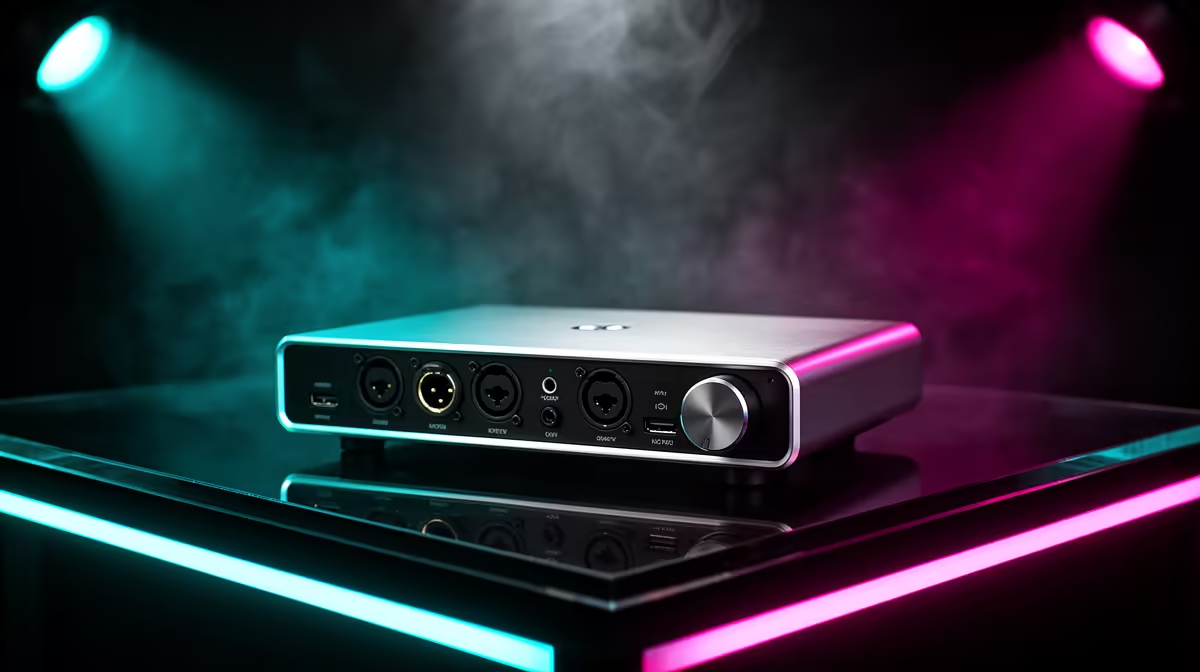
Use the motherboard DAC if your headset is easy to drive and has no hiss, distortion, or low volume. Buy a USB DAC only when you use better headphones, hear electrical noise, or need more output for 80-ohm to 250-ohm headsets. For SA gamers, the sensible USB DAC band is usually R800-R3,500 before moving into specialist audio gear.
What a USB DAC fixes
A USB DAC can move audio conversion away from motherboard electrical noise and provide stronger headphone output. Motherboard codecs such as Realtek ALC897, ALC1200, ALC4080, and similar onboard solutions are often fine for mainstream gaming headsets. The upgrade matters more with headphones like DT 770-style studio cans or planar models that need clean power.
Specs that matter
Check output power, gain control, microphone needs, USB-C support, and whether the device works cleanly with Windows. SNR figures above 110dB are common on better devices, but comfort, volume headroom, and low noise are easier to judge in use. A DAC will not raise fps; it can improve positional clarity and reduce fatigue during long sessions.
Smart buying path
If you use a wireless headset, a USB DAC may not help because the headset handles its own audio path. If you use wired headphones and motherboard output is noisy, shortlist compact USB DAC/amp units first. Spend the rest on a better headset only when the current one is the weak link.
FAQ
Does a USB DAC help esports audio?
It can, especially with wired headphones that need more clean volume. It will not fix poor game audio settings or a bad headset fit.
Is motherboard audio enough?
Yes for many gaming headsets. If there is no hiss and volume is strong at 50-70%, keep it.
What impedance needs a DAC?
Easy 32-ohm headsets usually do not need one. Around 80-ohm and higher, extra output power can become useful.
Pro Tip
Test the headset from the rear motherboard audio port before buying a DAC; front-panel wiring can add noise that the board itself does not have.