Thermal paste is not a coding upgrade. It is worth replacing only when a cooler has been removed, the interface is old or damaged, or measured temperatures show poor contact. Compilation speed and lesson quality depend on the computer and software, not fresh paste by default.
Measure a sustained development load
Build a representative project, run tests and keep the normal editor, browser and local services open until temperatures stabilise. Record processor temperature, clock behaviour, fan noise and compile time. Clean external filters and confirm fan operation before disturbing the cooler.
Before repasting, note current idle and sustained temperatures under the same room conditions. Clean mounting surfaces properly and apply only the recommended amount. If the learner uses a cool-running laptop or sealed system, software cleanup and airflow checks should come first.
No thermal-paste SKU or price is verified in the factpacks. Compare candidates on material type, electrical properties, application guidance, shelf condition, cooler compatibility, seller support and warranty. Do not choose a compound to solve a software problem.
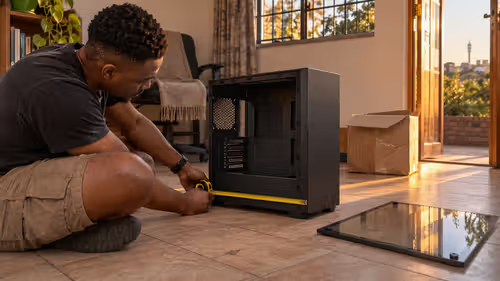
Back up code and local databases before opening the PC, power down fully and follow anti-static precautions. Never force a stuck cooler or apply excessive material. Retest the same build after maintenance.
Replace paste when evidence or required disassembly justifies it. Improve airflow, fan curves or the cooler when interface material is not the cause.
Cooling a coding PC? > Browse Evetech cooling gear after measuring the complete thermal path.