


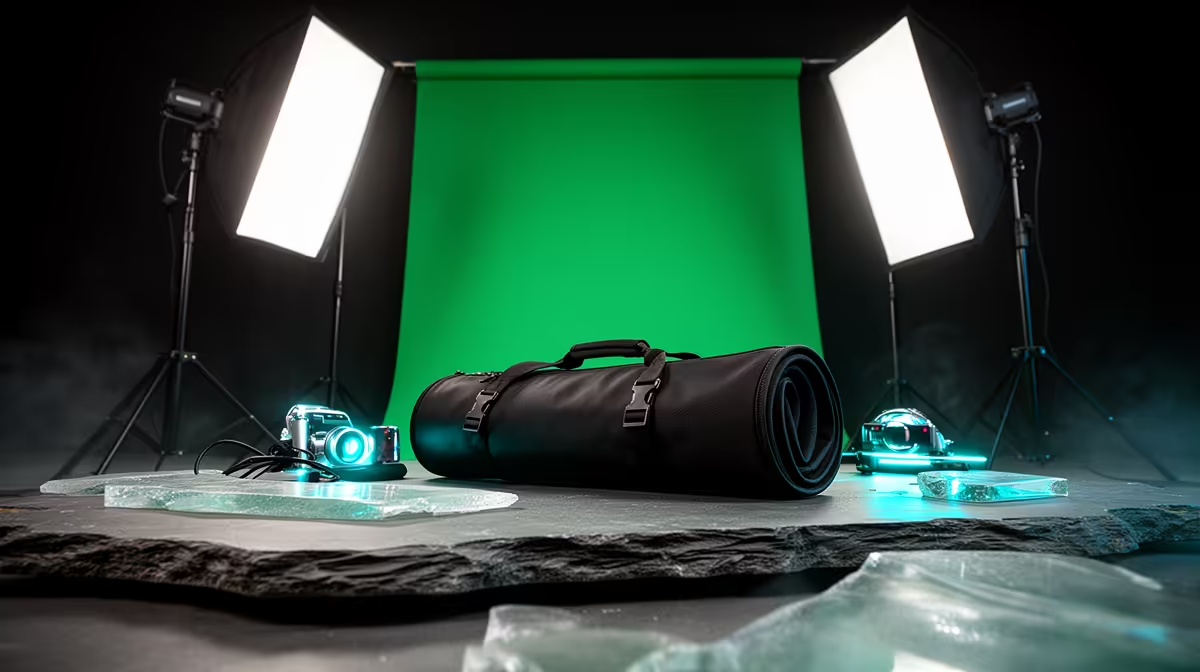
Most content creators think of their portable green screen studio kit as a home setup, but the whole system folds down small enough to travel. Collapsible stands, a telescoping crossbar and a muslin backdrop tuck into a single carry bag, and the complete kit lands somewhere between 6 and 9 kg. That is light enough to load into a hatchback boot alongside your camera gear without rethinking the trip.
Quick Answer
Yes, a full green screen studio kit can travel. Collapsible 199cm stands, a folding crossbar and a rolled muslin pack into a 90cm carry bag weighing 6 to 9kg. One person can set the whole rig up on location in about 10 to 12 minutes.
🎯 What Packs Down and What Does Not
A standard portable kit has three parts that need to shrink for travel: the stands, the crossbar, and the screen itself.
The stands collapse by folding their leg sections flat and sliding the centre column down, leaving a tube about 60 to 70cm long. Crossed together, the pair fits neatly inside a padded tripod bag.
The crossbar is where kits differ most. Quality bars telescope in sections, shrinking from a 3m span to about 90cm. Cheaper, single-piece bars simply do not travel. If portability matters, check the collapsed length before buying.
A muslin screen can be rolled around the crossbar sections to stay crease-free, or packed flat and steamed on arrival. The alternative, a pop-up disc screen, collapses in seconds but covers less width than a full muslin spread.
🔧 Setting Up on an Unfamiliar Location
Arriving somewhere new means one extra step: finding a patch of floor with enough depth. You want at least 1.5 to 2 metres between yourself and the screen so green light from the backdrop does not tint your hair. In a small meeting room that gap shrinks fast.
On-site assembly follows the same sequence every time. Extend both stands fully and splay their legs before clipping anything to them. Then feed the crossbar through the backdrop loops and lower it into both stand heads. The whole process takes one person roughly 10 to 12 minutes.
💰 Stability and Wind
This is the issue that catches first-timers off guard. A 3-metre fabric backdrop behaves like a sail the moment a window is open or an air conditioner kicks on. The stands are designed for studio use, where the air is still. Outdoors, or in any ventilated space, you need ballast.
Pack a pair of 5 kg sandbags. They loop over the stand feet and keep the legs pinned down. Without them, a light gust can tip a loaded 199cm stand in seconds.
🧠 Getting a Clean Key Away From Home
Outdoor locations rarely have the even, diffused light your home studio provides. Direct sunlight hitting the screen at an angle creates hotspots, and a patchy screen means a patchy key in post. Position the backdrop facing away from windows, or diffuse incoming light with a scrim if one is available.
Also check the floor. On carpet or dark tile, green bounce from the screen is minimal. On light-coloured flooring the screen can spill green upward into your legs. A few metres of dark cloth under your feet solves it quickly.
Frequently Asked Questions
Will the muslin arrive at the location without creases?
Some creasing is likely, especially if the backdrop was folded rather than rolled. Roll the muslin around the collapsed crossbar sections before packing and most folds stay out. A small travel steamer removes stubborn creases in a few minutes on site, and any remaining wrinkles that cast shadows will confuse the key software into treating them as a different colour.
Does the entire kit genuinely fit in a single bag?
Yes, if you buy a kit sold with a carry bag rated at 90 to 100cm. Stands, crossbar sections and a rolled muslin fill roughly 85cm of bag length, leaving a few centimetres to spare. A padded bag adds protection against the knocks that bend thin crossbar tubes on the road.
Can I use the kit outdoors?
With precautions, yes. Sandbag the stands before shooting since a light breeze can drop a fully rigged stand faster than you expect. Shade the backdrop from direct sunlight; hard midday light on the screen creates gradients that resist a clean key. Wind also causes the fabric to ripple, which distorts the key edges.
How do pop-up screens compare for transport?
A pop-up disc collapses to a flat circle roughly 60 to 70cm across in seconds. Setup is faster than muslin, but a typical pop-up covers about 1.5 metres of width while a muslin on a 3m crossbar covers nearly double. For a tight seated shot the pop-up is simpler; for standing or multi-person frames, muslin gives more working room for similar packed weight.
Ready to take your studio on the road? Browse the portable green screen kit range at Evetech and find a collapsible backdrop and stand bundle sized for your next on-location shoot.










