Quick Answer
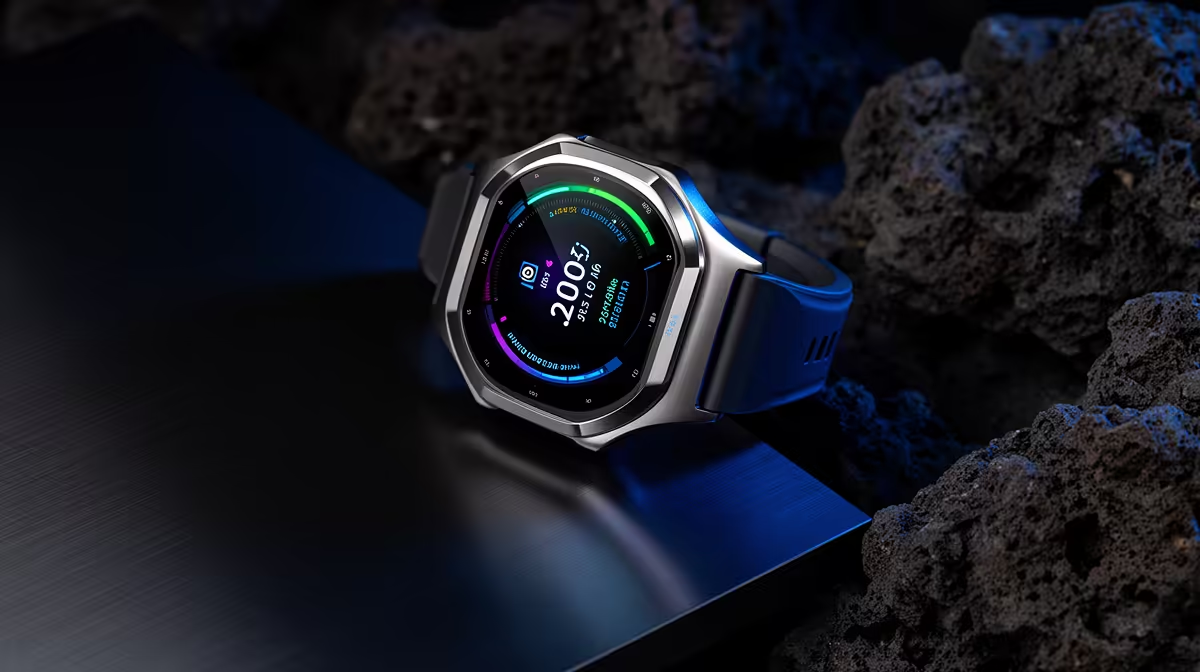
To compare smart watches for protecting an expensive setup, rank them on notification reliability, haptic strength, battery life and durability rather than headline screen specs. Score each on those four and the smartest pick usually sits between R2,500 and R4,000, not at the premium tier.
A Four-Point Comparison Method
Build a simple scorecard. First, notification reliability: does it relay phone and app alerts without lag or drops? Second, haptics: can you feel a buzz through a sleeve while gaming? Third, battery: does it last 5 to 7 days so it is charged when an alert lands? Fourth, durability: does it carry 5ATM water resistance and a tough screen for daily wear? Weight these over brightness records and sensor counts, which rarely change how the watch serves your gear.
Reading The Spec Sheets Without The Hype
Manufacturers lead with peak nits, sport modes and materials, so look past those to the four points above. Check independent battery figures, not the optimistic rated number. Confirm the watch pairs reliably with your phone's operating system. A mid-range watch that scores well on all four beats a flashy flagship that only wins on screen and price.
FAQ
Which spec should I weight most when comparing watches?
Notification reliability, since the whole point is getting alerts about your setup to your wrist. A watch that drops notifications fails at its main job.
Are rated battery figures accurate?
Often optimistic; check independent reviews for real-world runtime, as always-on displays and GPS cut the rated number significantly.
Does the watch need to match my phone brand?
It must pair reliably with your phone's operating system, but it need not be the same brand. Confirm full notification support before buying.
watch out of ten on notifications, haptics, battery and durability, then buy the highest total rather than the brightest screen.