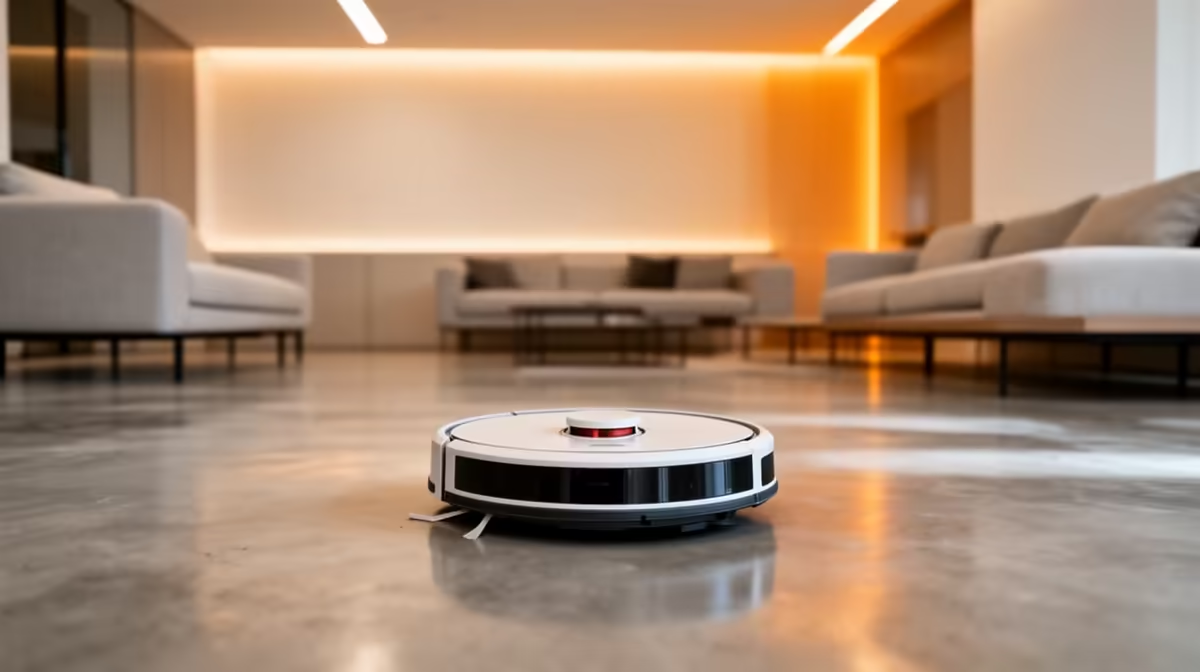
A robot vacuum is only as good as the floor you point it at. The single biggest reason these machines get stuck, skip whole rooms, or drag a sock across the lounge is not a hardware fault, it is a floor that was not prepped. Five minutes of clearing before each run is the difference between coming home to clean floors and coming home to a beached robot blinking for help.
Quick Answer
Before every run, clear cables, lift or secure loose mats, pick up small objects, and open the interior doors of rooms you want cleaned. These four steps prevent almost every stuck-robot and missed-room problem, and they take about five minutes once they become routine.
Step 1: Clear Cables And Loose Cords
Cables are the number one enemy of any robot vacuum. Phone chargers, laptop leads, lamp cords, and console cables get sucked into the brush, wrap around it, and bring the machine to a dead stop, often mid-room where it then reports an error. Walk the route and lift every loose cord off the floor. Route them along skirting boards, clip them up, or tuck them behind furniture.
Pay special attention to the area around desks, TV units, and bedside tables, where cables tend to pool. A single forgotten charging cable can end an entire cleaning cycle.
Step 2: Lift Or Secure Loose Mats And Rugs
Lightweight mats are a classic trap. A robot drives onto the edge of a thin bath mat or doormat, the mat bunches up, and the machine either gets stuck or starts dragging the mat around the room. Either lift small loose mats out of the way before a run, or use anti-slip grippers to anchor them flat.
Tasselled rug edges deserve their own warning. Long fringes feed straight into the brush like cables do. If a rug has loose tassels, fold them under or move the rug for the cleaning cycle. Thick high-pile rugs can also stall lower-powered units, so know your robot's climbing limit.
Step 3: Pick Up Small Objects And Floor Clutter
Anything small enough to be swallowed or shoved is a problem. Kids' toys, LEGO bricks, hair ties, coins, socks, and pet toys all jam brushes or get bulldozed into corners. Do a quick sweep of the floor with your eyes and clear the obvious items into a basket or onto a surface.
This step matters most in homes with children or pets, where floor clutter accumulates daily. Making it a habit, the same way you might tidy before a guest arrives, keeps the robot working and keeps your belongings out of the dustbin.
Step 4: Open Interior Doors To The Rooms You Want Cleaned
A robot cannot clean a room it cannot enter. Closed bedroom and bathroom doors are the most common reason people find whole areas untouched after a cycle. Open the doors to every room on the cleaning plan before you start, or before a scheduled run kicks off.
If you want to keep the robot out of a specific area instead, that is when you close a door deliberately or use the boundary tools, magnetic strips, or no-go zones in the app, that many models offer.
Step 5: Tackle Thresholds, Lighting, And Edge Cases
A few finishing touches smooth out the run. Check door thresholds and step transitions; most robots climb low thresholds but stall on tall ones, so a small ramp helps where needed. Leave enough ambient light for camera-based navigation models to map accurately. And clear the area around the dock so the robot can leave and return cleanly. Getting the prep right is what lets a good machine deliver on its promise, and the current robot vacuum and smart home appliance range covers everything from budget units to mapping models. Stocking up on spare brushes and filters from the accessories best sellers keeps suction strong between cleans.
Frequently Asked Questions
Why does my robot vacuum keep getting stuck?
The usual culprits are cables, loose mats, and small objects on the floor. Clearing those three before each run prevents the vast majority of stuck-robot incidents. Tall thresholds and tangled rug tassels are the next most common causes.
Do I have to prep the floor before every single run?
Yes, ideally. Floors gather new cables, clutter, and shifted mats every day, especially in busy homes. The prep only takes a few minutes once it is routine, and it is the single biggest factor in whether the robot finishes a clean run.
How do I stop the robot from entering a certain room?
Close that room's door, or use the boundary features in the companion app such as no-go zones or magnetic boundary strips if your model supports them. Conversely, open the doors to every room you do want cleaned.
Will a robot vacuum work on rugs and carpets?
Most handle low and medium-pile rugs, but thick high-pile carpet can stall lower-powered units. Secure loose mats so they do not bunch, fold tasselled edges under, and check your model's stated climbing and pile limits before relying on it for carpeted rooms.
A well-prepped floor lets a good robot vacuum do its job without supervision. Browse Evetech's robot vacuum range, pick a model matched to your home, and keep spare brushes and filters on hand so it stays at full suction.