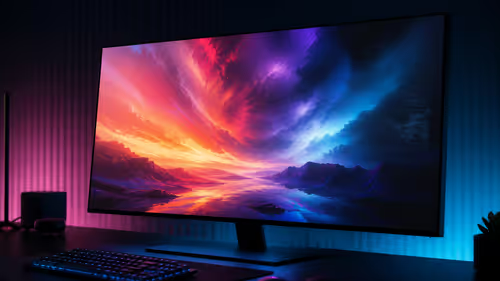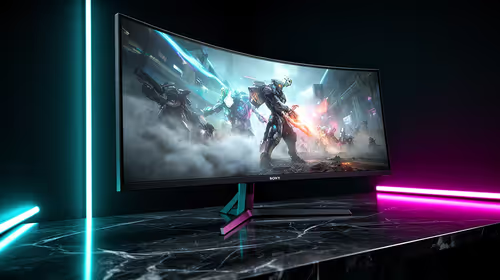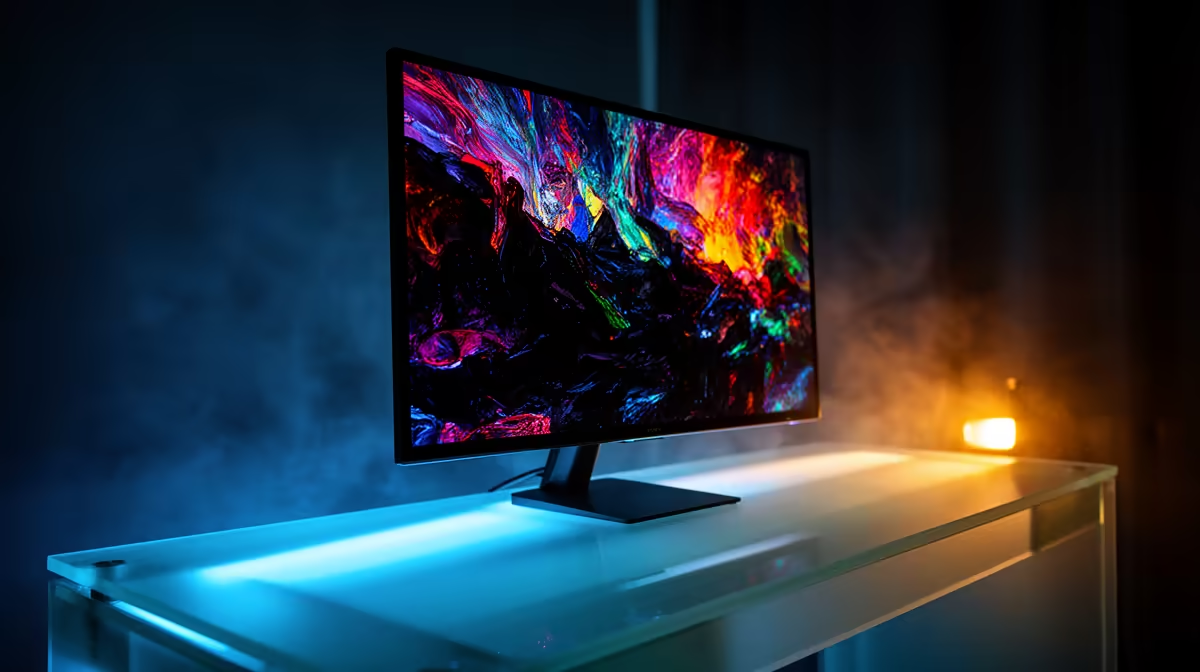
So, you’ve done it. That massive box from Evetech is sitting on your floor, and inside is a glorious OLED monitor. The smell of new tech is in the air. But before you dive into the neon-drenched streets of Night City, a proper setup is crucial. Getting the most out of those perfect blacks and insane response times isn’t just plug-and-play. This guide covers exactly how to set up your OLED monitor for the ultimate experience. 🚀
First Steps: Unboxing and Physical Assembly
First things first, let’s get it out of the box safely. OLED panels are thin and can be delicate. Always unbox on a soft surface like a rug or the included foam packaging to avoid scratches.
- Inspect Everything: Before you plug anything in, give the screen a once-over for any physical damage from shipping.
- Attach the Stand: Follow the manufacturer's instructions to securely attach the stand. Don't overtighten the screws.
- Check for Dead Pixels: Once assembled, but before you get too deep into the setup, run a dead pixel test using a simple online tool. It's better to find any issues right away.
This initial physical part of your OLED monitor setup is foundational. Taking your time here ensures you're starting on the right foot with one of the best PC monitors you can buy.
Getting Connected: The Right Cables for the Job
The cable you use matters... a lot. To unlock your OLED's full potential—high refresh rates and vibrant HDR—you need the right connection.
- DisplayPort 1.4 (or higher): This is the go-to for most PC gamers. It provides massive bandwidth, which is essential for high-resolution, high-refresh-rate gaming, and fully supports features like NVIDIA G-Sync or AMD FreeSync Premium.
- HDMI 2.1: This is the standard for next-gen consoles like the PS5 and Xbox Series X, and it's just as capable for PC. If your graphics card and monitor both have HDMI 2.1 ports, you're good to go.
Whichever you choose, use the high-quality cable that came in the box. A dodgy, old cable can cause flickering or prevent you from selecting the highest refresh rates. Getting this step right is a critical part of setting up an OLED monitor correctly.
How to Set Up Your OLED Monitor in Windows
Now for the fun part: telling your PC how to talk to your beautiful new screen. 🔧 The process is straightforward, but a few settings need to be checked to ensure you're not leaving performance on the table.
Activate HDR and Set Your Refresh Rate
- Right-click on your desktop and select "Display settings".
- Scroll down and toggle "Use HDR" to On. You should see the colours shift as your monitor enters HDR mode.
- Next, click on "Advanced display".
- From the dropdown menu, select the highest possible refresh rate (e.g., 144Hz, 240Hz).
Your PC should now be outputting a high-refresh-rate, HDR signal. This is what you paid for! The visual difference between a standard display and one of the latest stunning 4K monitors with HDR enabled is truly night and day.
Quick Graphics Card Panel Check
an extra check, open your NVIDIA Control Panel or AMD Software: Adrenalin Edition. Navigate to the ‘Display’ section and confirm that the resolution and refresh rate are set to their maximum native values.
Fine-Tuning: On-Screen Display (OSD) and Colour
Your monitor’s built-in menu, the On-Screen Display (OSD), is where you can fine-tune the picture. While factory settings are pretty good these days, you’ll want to check a few things for the best OLED monitor setup.
- Picture Mode: Look for a "Game" or "Gamer 1" mode. These modes typically reduce input lag. Avoid "Cinema" or "Eco" modes for gaming.
- Brightness: For HDR content, the monitor will manage its own brightness. For SDR (standard) content, set the brightness to a comfortable level for your room's lighting—usually around 150-200 nits is a good starting point.
- OLED-Specific Settings: Familiarise yourself with settings like "Pixel Refresher" or "Screen Move." These are built-in tools to protect your panel, which we'll cover next. The level of customisation is one of the many reasons gamers love all the latest gaming monitors on the market.
Protecting Your Investment: Essential OLED Care Tips ✨
The term "burn-in" can sound scary, but modern OLEDs have a ton of built-in tech to prevent it. Burn-in, or permanent image retention, happens when a static image (like a taskbar or game HUD) is displayed for hundreds or thousands of hours, causing those pixels to age differently.
Here’s how to keep your panel healthy:
- Enable Pixel Shifting: Most OLED monitors have this feature, which subtly moves the entire image by a few pixels periodically. You won't notice it, but it works wonders.
- Use a Screensaver: Set a simple black screensaver to activate after a few minutes of inactivity.
- Hide Your Taskbar: In Windows, set the taskbar to auto-hide. This is the most common source of static imagery.
- Vary Your Content: Don't leave a static browser window open for 12 hours a day. Mix up your gaming, movie watching, and work.
Many gamers love the total immersion of immersive curved monitors, and applying these care tips ensures that incredible experience lasts for years. You could even offload static elements like Discord or OBS to a second screen—even one of the new portable monitors would be perfect for the job.
Ready to Ascend to OLED Gaming? Your new screen is set up and looking incredible. If you're ready to explore what's next or help a friend upgrade, check out our incredible display lineup. Shop now at Evetech for the best monitor deals that leave lag in the dust.