



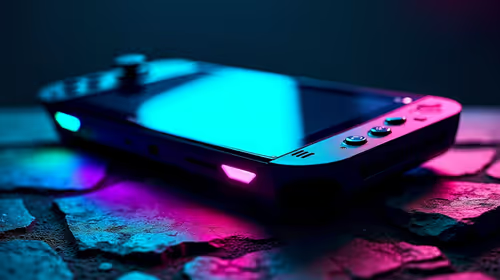
Fix stuttering on a Steam Deck in South Africa
Stuttering on a steam deck usually needs a settings, driver, thermal, or power check first. Work through safe SA troubleshooting steps before replacing parts or assuming a full upgrade.
Read moreAround R10,000, the home security angle should stay focused on whether a camera drone is the right tool for checking a property, not on replacing fixed security gear. Verify available drone SKUs in SA and think through where any captured footage will be stored.
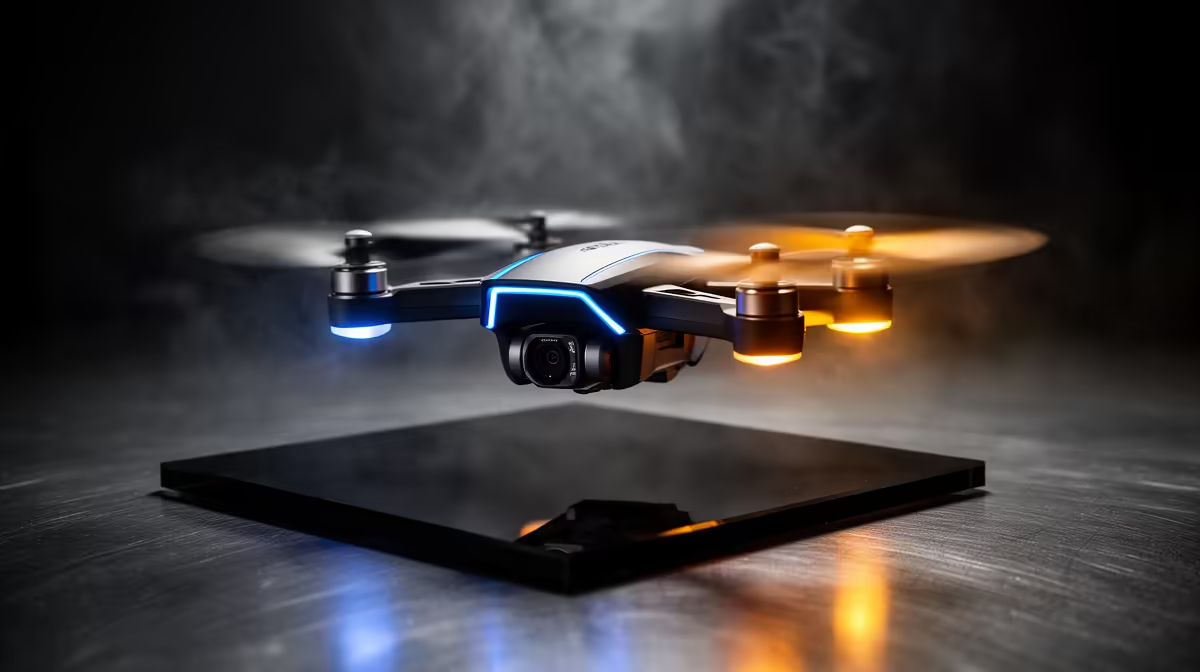
A camera drone is a poor foundation for home security. It requires a trained operator, has limited flight time and can create privacy or legal problems when it records beyond the property. The verified facts contain no camera-drone SKU, so do not invent one. Fixed cameras, secure storage and tested alerts provide continuous coverage without an aircraft waiting for manual launch.
The verified TP-Link Tapo C212 costs R451 and provides indoor pan-and-tilt coverage for a suitable permitted room. Use it only in a suitable indoor position after checking power, network and storage requirements. The Seagate SkyHawk 2TB surveillance hard drive at R1,340 provides verified recorder-oriented storage for a compatible system. Neither product authorises recording private neighbouring areas.
A drone sourced elsewhere needs lawful operation, safe airspace, weather limits, battery care and a clear reason that fixed cameras cannot meet. It cannot patrol unattended or replace door, lighting and alarm measures. For the home system, map entrances, protect accounts, update firmware and export a test clip to independent storage. Spend the equipment allowance on reliable permitted coverage before considering an occasional aerial inspection tool.
A qualified installer can help route fixed-camera power and network cabling without creating exposed leads or unsafe holes. Keep installation records for future maintenance.
Planning home camera coverage? > Tell Evetech the permitted indoor areas, network and retention target.
A webcam is not a home security drone, so the fit depends on whether movable footage is needed.
For a home security setup, prioritise the actual monitoring use before spending the R10,000 budget on a drone.
Captured footage still needs a storage plan, especially if clips are large or kept for later review.
A lower-cost choice may work for occasional checks, but regular property use calls for more careful SKU verification.
The budget matters, but the stronger test is whether a drone suits the home security task itself.
If the issue is storing or reviewing footage, fix that workflow before treating the drone as the whole answer.
Stuttering on a steam deck usually needs a settings, driver, thermal, or power check first. Work through safe SA troubleshooting steps before replacing parts or assuming a full upgrade.
Read more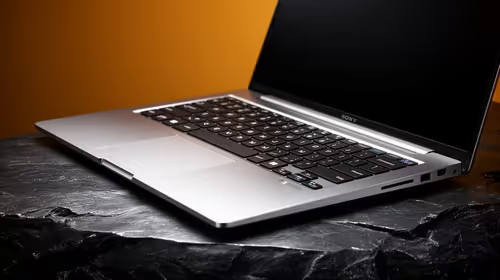
Quantity surveying students should prioritise a sharp ultrawide that keeps plans, schedules and cost sheets readable during long South African study sessions. Screen width helps comparison work, but PDF annotations, laptop output and native resolution matter just as much.
Read more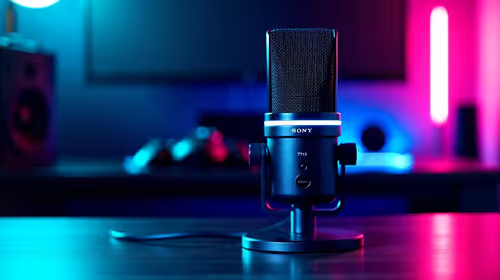
Watching rugby and sport does not usually need a podcast recording setup unless you also record commentary, reaction clips or a sports podcast. For this USB microphone record, the existing price facts are creator GPUs from RTX 5070 Ti 16GB R12,700 to RTX PRO 4000 24GB R16,700, plus RTX PRO 6000 96GB R151,700 for high-end workstation work.
Read more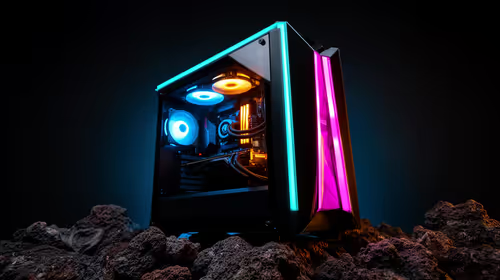
A mid-range gaming PC is the sensible first build when South African buyers want gaming headroom without chasing the top tier. The given parts span RX 7600 around R4,650, RTX 5060 around R4,800, RTX 5070 around R13,100, Ryzen 5 5500 at R1,100 and Ryzen 7 7800X3D at R6,400.
Read more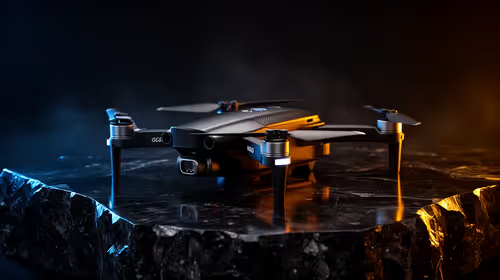
Common SA content-creator drone problems often come from buying the drone before checking the footage workflow. Fix the risk early by verifying drone SKUs and planning SSD, NAS, portable SSD and creator rig capacity for 4K editing.
Read more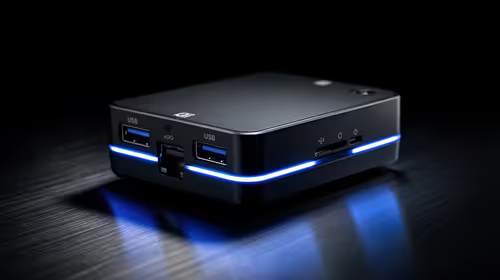
A home security setup can be handled by a business mini PC in SA when the installation needs a compact always-on computer for a small space. Minisforum NAB6 Lite is R4,150, while UM750L and AI-X1-255 sit around R4,600, so the choice should reflect how central that box is to the security setup.
Read more
Word typing overwrites text when overtype mode replaces characters at the insertion point. Turn off overtype and its Insert-key control in Word options, then test on a spare line before editing the document again.
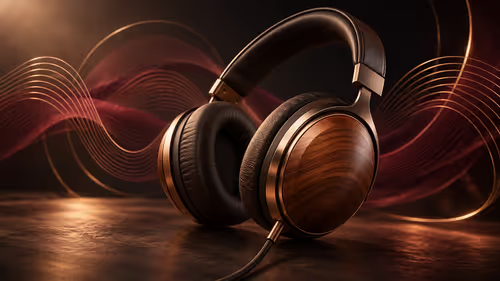
Audio-Technica ATH-AWX7000 is a closed-back wired headphone model with wooden housings. Its premium materials and supplied analogue cables make source compatibility, comfort and your actual listening needs more important than a launch-price conversion.
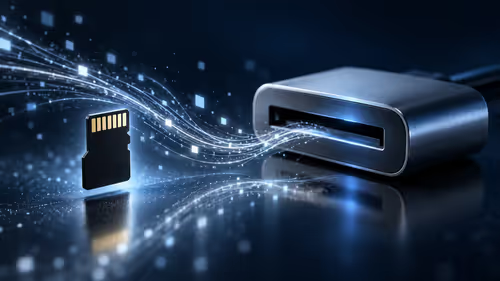
Lexar SILVER GO microSD is a UHS-I card family with a reader-dependent maximum transfer rate. Check the exact capacity, host compatibility and card reader before paying for a speed figure that your handheld or camera may not reach.

Windows AutoPlay settings control prompts and default actions when supported media or devices connect. Choose Ask me every time or Take no action where appropriate, then test with a trusted drive without formatting it.
Windows AutoPlay settings control prompts and default actions when supported media or devices connect. Choose Ask me every time or Take no action where appropriate, then test with a trusted drive without formatting it.
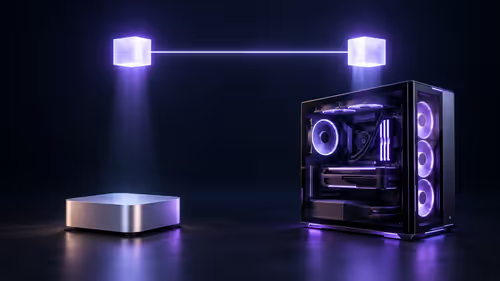
Mac mini M6 vs gaming PC for local AI: the 24GB Mac mini M6 at R25,599 gives about 18GB of AI memory, while an RX 9060 XT 16GB PC at R25,999 gives 16GB. Both reach the 14B tier; the PC games better and upgrades.

The cheapest PC for local AI in South Africa is a Ryzen 5 5600 and Intel Arc B580 12GB system at R17,499, which reaches 14B models. An RX 9060 8GB PC costs R16,599 and the cheapest RTX 5060 PC R19,499.
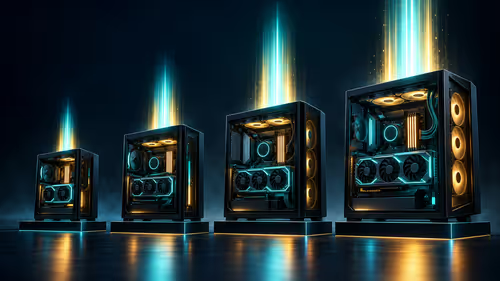
The best PC for local AI in South Africa depends on graphics memory: an Arc B580 12GB PC at R17,499 is the best value, a 16GB RX 9060 XT PC costs R25,999, and a 16GB Mac mini M6 at R17,699 reaches the same 14B tier.
Word typing overwrites text when overtype mode replaces characters at the insertion point. Turn off overtype and its Insert-key control in Word options, then test on a spare line before editing the document again.

Windows touchpad cursor speed changes how far the pointer moves when you glide a finger. Adjust it in the touchpad controls, then test small targets separately from scrolling and palm-rejection sensitivity.
The keyboard shortcut for redo is Ctrl+Y in Windows and common Office editing tasks. Check whether Redo is available and whether the application treats the command as redo or repeat before using it on important work.
How to type degrees on keyboard depends on the keys and application available. In Word, use Insert Symbol or Alt+0176 with a numeric keypad, keeping the real degree symbol separate from a letter O or a superscript zero.