Why the Micro-ATX Case is the 2026 Sweet Spot
Building a PC in South Africa has changed. We want high-end power, but desk space is now at a premium. Choosing a Micro-ATX case in 2026 means balancing thermal performance with modern aesthetics. You no longer need a massive tower to house a beastly GPU. It is about being smart with your footprint while ensuring your components stay cool during a February heatwave in Jozi. 🔧
Micro-ATX Case: How to Choose in 2026 - Airflow, GPU, USB-C
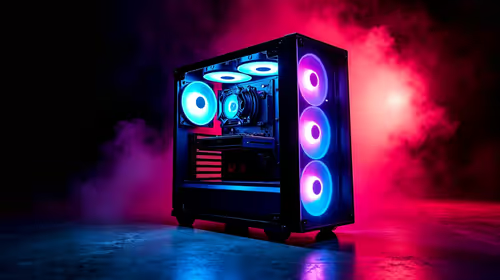
The Micro-ATX (mATX) form factor is the ultimate middle ground for most builders. It is smaller than a traditional mid-tower but offers far more flexibility than cramped Mini-ITX builds. When you browse our latest selection of computer cases, you will notice that mATX options provide exactly what you need... room for four expansion slots and better clearance for cooling. This is vital if you plan on adding a dedicated sound card or high-speed networking expansion in the future.
Prioritising Airflow in the South African Heat
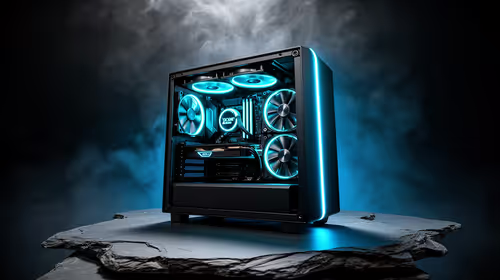
Our local climate is brutal on hardware. A cramped case with poor ventilation is a recipe for thermal throttling and shortened component lifespans. Look for "high-airflow" models that feature mesh front panels and support for at least 140mm fans. For instance, Fractal Design's minimalist aesthetic is legendary for its clever internal layouts... prioritising direct paths for cool air to reach your processor and graphics card without unnecessary obstructions. ⚡
Cooling Pro Tip ⚡
Always aim for positive air pressure in smaller mATX builds. By having more intake fans than exhaust fans, you force air out of every small gap in the chassis. This helps prevent dust from settling in those hard-to-reach corners, which is a lifesaver in dusty South African environments.
GPU Clearance and Modern USB-C Connectivity
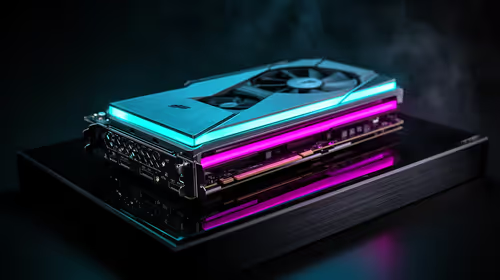
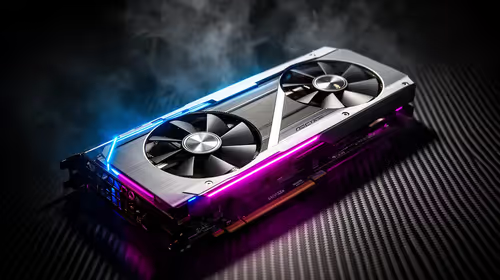
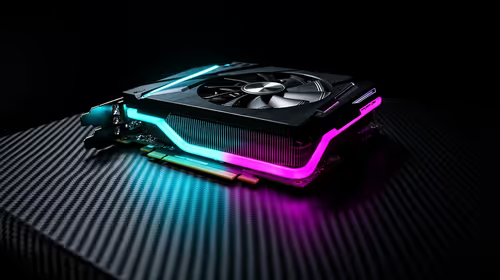
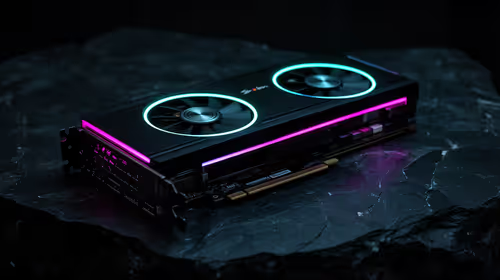
Modern graphics cards are getting larger every year. Even mid-range units in 2026 often require three slots and significant length clearance. Before buying your chassis, always verify the maximum GPU length and width supported by the internal frame. Additionally, front-panel USB-C is now a standard requirement for fast external storage. Many Gamdias gaming cases now include these high-speed ports alongside vibrant ARGB lighting as standard features. 🚀
Balancing Premium Features and Your Budget
You do not need to spend a fortune to get a quality build that looks professional. There are fantastic cases under R1,500 that offer tempered glass side panels and decent cable management space. Focus on the essentials first... airflow and GPU clearance... before worrying about extra RGB strips or premium paint finishes. A well-chosen mATX case will last you through multiple upgrade cycles if you get the basics right today. ✨
Ready to Find Your Perfect Match?
Finding the right balance of size, airflow, and power is easier than ever with the right chassis. Explore our massive range of computer cases and find the perfect home for your next high-performance build.