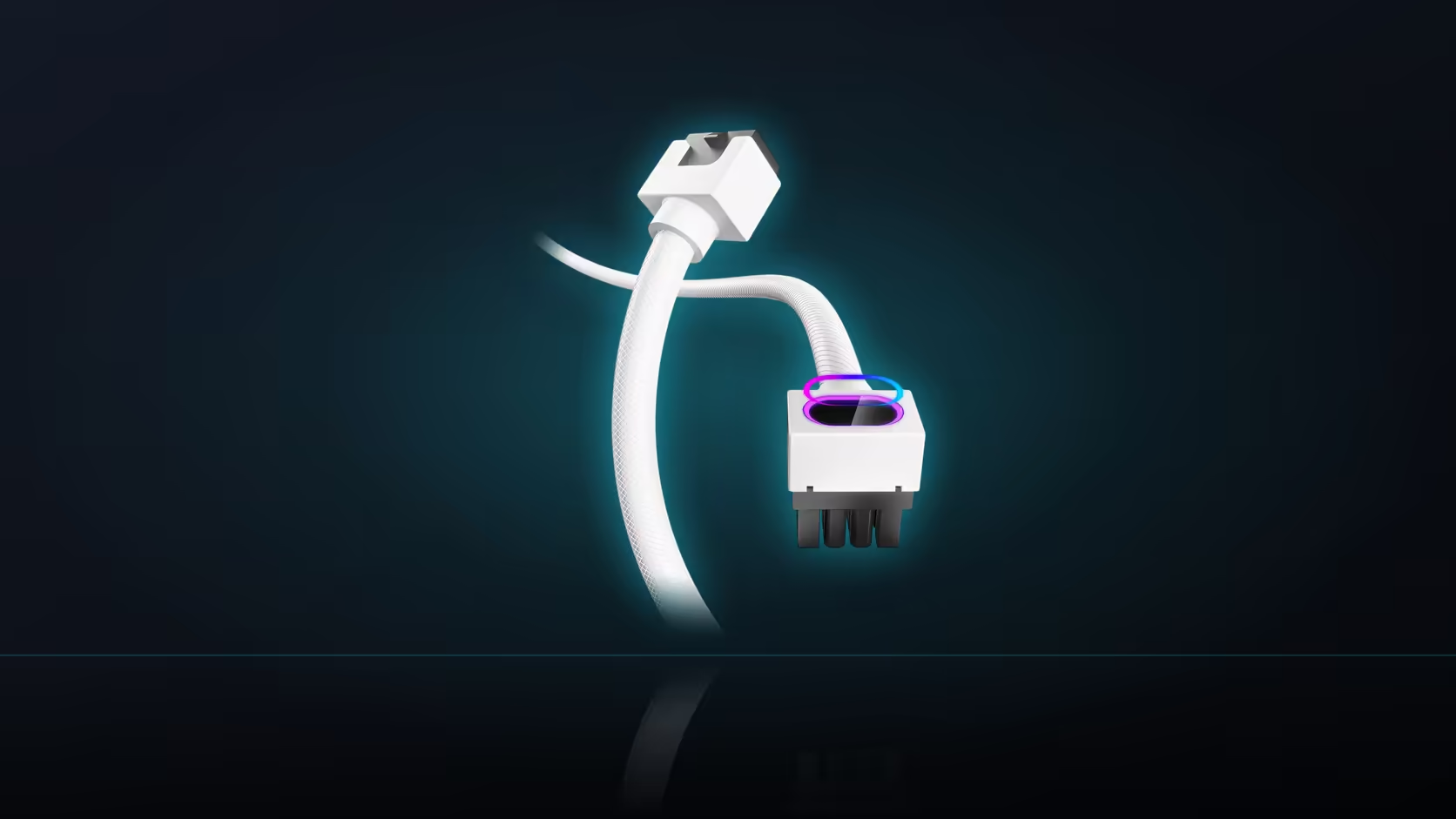
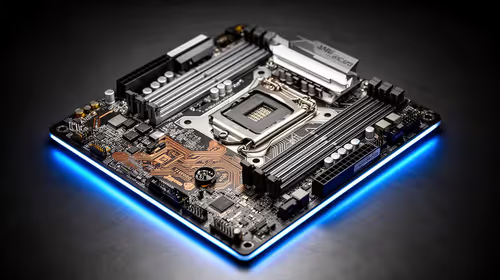
A glowing ARGB window aimed squarely at the inside of a motherboard tray, where absolutely nobody will ever see it, is light bought and paid for with nothing to show for it. Getting the orientation right is not something you fix after fitting - it has to be decided at the point of ordering.
Quick Answer
Position the head so its window faces the panel you look through. A lit element aimed at the tray is light spent on nothing. Orientation is fixed by the head shape, so knowing which way it faces is part of choosing the version.
🪟 Which side most builds actually show
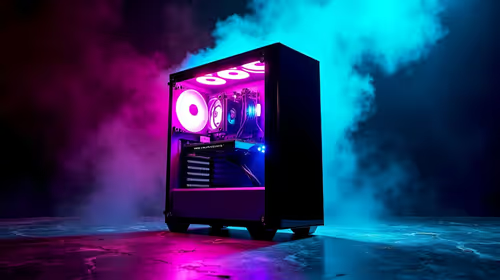
The overwhelming majority of case designs put the visible glass or acrylic panel on the same side as the window's natural facing direction, typically the left side as you stand facing the front of the machine - and that is the specific sightline the lit head needs to genuinely serve for the purchase to deliver the effect you actually paid for.
🔒 Can the head be rotated once it is fitted
No - the connector only seats correctly into the socket in one specific orientation, so its facing direction is entirely fixed by the physical head design itself rather than something adjustable after the fact during or after fitting. Whatever direction the window faces when the connector is seated is the direction it will face for the life of the build.
🔄 What a right-side glass panel changes about this
A case with its glass or acrylic panel mounted on the right rather than the conventional left flips this whole calculation - the tray side becomes the genuinely visible surface in that layout, while the board's face, where the connector head and its window actually sit, ends up hidden behind the tray instead. Confirming which side your specific case shows before ordering matters considerably more in this less common layout.
🪟🪟 What dual-window cases change, and confirming before you buy
A case with genuine windows on both sides removes the single-sightline problem almost entirely - the head being visible from at least one of the two available views is generally enough, which shifts the real question from whether it will be seen at all to simply which of the two views matters more to you personally. The side-exit versions do not change any of this either, worth noting specifically: the ARGB window itself always remains fixed in the head against the board regardless of exit direction, since it is the cable's exit direction that changes where the run physically travels, not where the light itself faces or points. Reflected light is genuinely worth counting toward the overall effect too, rather than dismissing anything short of a direct view - a window facing toward a pale, light-coloured surface nearby can throw genuinely usable, visible light even when the window itself sits at an angle relative to the viewer rather than facing them head-on. Before ordering, the practical check is simply looking at where your specific socket sits relative to your case's window, and confirming whether anything stands physically between the two once the board is actually installed in its final position. Scroll through cable solutions for the rest of the shelf, while other accents worth checking against your case's window sit over at NZXT case lighting.
🪑 Checking from where you will actually sit, not just where you stand
The most accurate check happens from your actual seating position at a desk, rather than standing directly in front of an open case on a workbench during the build itself - viewing angle and eye height both change what a socket's sightline genuinely looks like day to day, so a quick sit-down test once the case is roughly in its final resting spot is worth the extra few minutes.
Frequently Asked Questions
Which side do most builds show?
The side with the window, usually the left as you face the machine, which is the sightline the lit head needs to serve.
Can the head be rotated after fitting?
The connector seats one way in the socket, so its orientation is set by the head design rather than adjustable afterwards.
Does a right-side glass panel change things?
It does, since the tray side becomes the visible surface and the board face, where the head sits, is then hidden.
What about dual-window cases?
Both sides show, so the head being visible from one of them is enough, and the question becomes which view matters more.
Does the side-exit version face differently?
The window remains in the head against the board. The exit direction changes where the cable goes, not where the light faces.
Is reflected light worth counting?
Yes. A window facing a pale surface can throw usable light even when the window itself is at an angle to the viewer.
How do I check before ordering?
Look at where the socket sits relative to your window and whether anything stands between them once the board is installed.
Making sure your lit head faces the right side of the case?
Have a look at Evetech's power supply range and confirm which panel your case shows before ordering.