Your smartphone goes everywhere. From the morning commute in Cape Town to the office desk... it picks up everything. Most South Africans do not realise their screens carry more bacteria than a toilet seat. But before you grab the window cleaner, stop. You can achieve a clean phone without chemicals while protecting your hardware from permanent damage. Let’s look at the safest methods. ✨
Why Avoiding Harsh Chemicals Matters
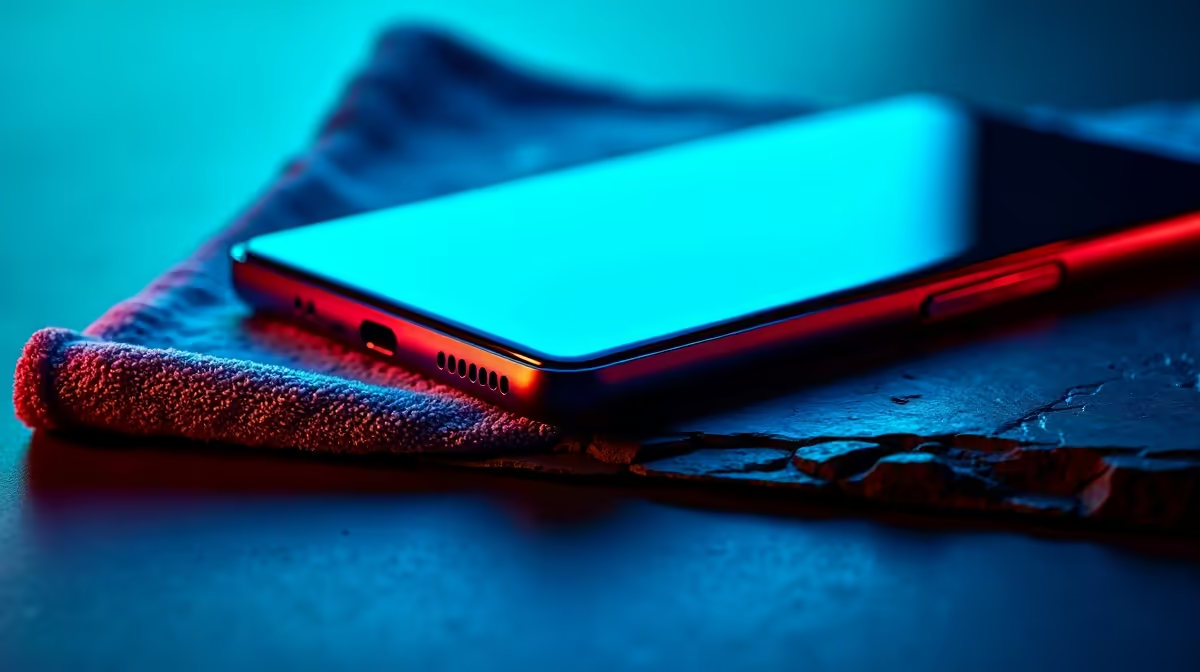
Smartphone screens have a special oleophobic coating. This oil-repellent layer makes fingerprints easy to wipe away and keeps the glass smooth. Harsh chemicals like bleach, ammonia, or even standard window sprays strip this layer off instantly. Once it is gone, your screen feels "sticky" and attracts even more grime. Keeping your device a clean phone without chemicals preserves that factory-fresh feel for longer.
The Best Tools for a Chemical-Free Clean
The most effective tool is a high-quality microfibre cloth. These cloths have tiny fibres that lift oils rather than just smearing them around. For stubborn spots, a tiny drop of distilled water on the cloth is usually enough. While you are tidying up your hardware, ensure your power setup is just as sleek. You can find a quality phone charger to keep your battery healthy while you maintain your device. 🔧
Using UV-C Light Technology
If you want to kill 99.9% of germs, UV-C sanitizers are the gold standard. They use specific light wavelengths to destroy bacteria DNA without any liquid involved. It is the ultimate way to maintain a clean phone without chemicals. If you are looking for budget-friendly tech under R500, you might find some great accessories to complement your clean setup.
Maintaining Your Charging Port and Accessories
Dust often hides in the charging port, which can lead to overheating or connection issues. Use a wooden toothpick or compressed air to gently remove lint. A clean port ensures your Promate charging cables make a perfect connection every time. If you need more robust power solutions, there are great options under R1000 available to keep your gear running smoothly. 🚀
Port Maintenance Pro Tip ⚡
Never use a metal pin or needle to clean your phone's charging port. Metal can short out the pins or cause permanent electrical damage. Use a wooden toothpick or a plastic interdental brush to safely hook out pocket lint and debris. It is a simple way to fix "slow charging" issues without a trip to the repair shop.
Ready to Power Up Your Mobile Experience? Keeping your phone clean is just the first step to a better mobile life. Ensure your device stays charged and ready for action with our premium selection of accessories. Browse our full range of mobile chargers and find the perfect match for your smartphone today.