The robot vacuum has quietly turned into one of the most over-engineered gadgets in the home, and 2026's flagships make last year's models look basic. Around 20,000 Pa of suction, cameras that spot a stray cable on the floor, little arms that reach into corners, and docks that wash and dry the mop themselves are now standard on the top tier. These are shipping robot vacuum features, not concept-video promises.
Quick Answer
The big robot vacuum trends in 2026 are suction reaching around 20,000 Pa, AI cameras that detect objects as small as 1cm, extending side-brush arms that sweep into corners, and self-wash docks that clean and dry the mop pads. All four are mainstream flagship features now, not prototypes.
Suction Hits Around 20,000 Pa
Raw suction has climbed fast. Flagship models now advertise figures near 20,000 Pa, a large jump from the 2,500 to 4,000 Pa that was typical only a couple of generations ago. The practical payoff is on hard floors and in carpet: embedded grit, fine dust and pet hair that lighter models skim over now get pulled out properly.
Higher suction also means fewer repeat passes, so a single clean does a more thorough job. For homes with pets or high-traffic tile, this is the trend that makes the most visible difference day to day.
AI Cameras That Actually See The Floor
The smarter trend is perception. Newer robots use AI cameras and on-device object recognition to identify hazards as small as 1cm, which is enough to spot a charging cable, a sock or a stray toy and steer around it. The result is fewer of the classic failures where a vacuum eats a cord or smears something it should have avoided.
This matters in a real South African home where floors are rarely showroom-clear. A robot that recognises and dodges obstacles can run unattended without you tidying the entire floor first, which is the whole point of owning one.
Extending Arms For Corners And Edges
Round robots have always struggled with corners, and 2026's answer is mechanical. Extending side-brush arms physically reach out as the robot passes a wall or corner, flicking dust into the suction path instead of leaving the familiar triangle of debris behind. Some models pair this with a mop pad that swings outward to scrub right up to the skirting.
It is a small engineering trick that fixes a long-standing annoyance, and once you have seen edges cleaned properly it is hard to go back to a robot that leaves them.
Self-Wash Docks Do The Dirty Work
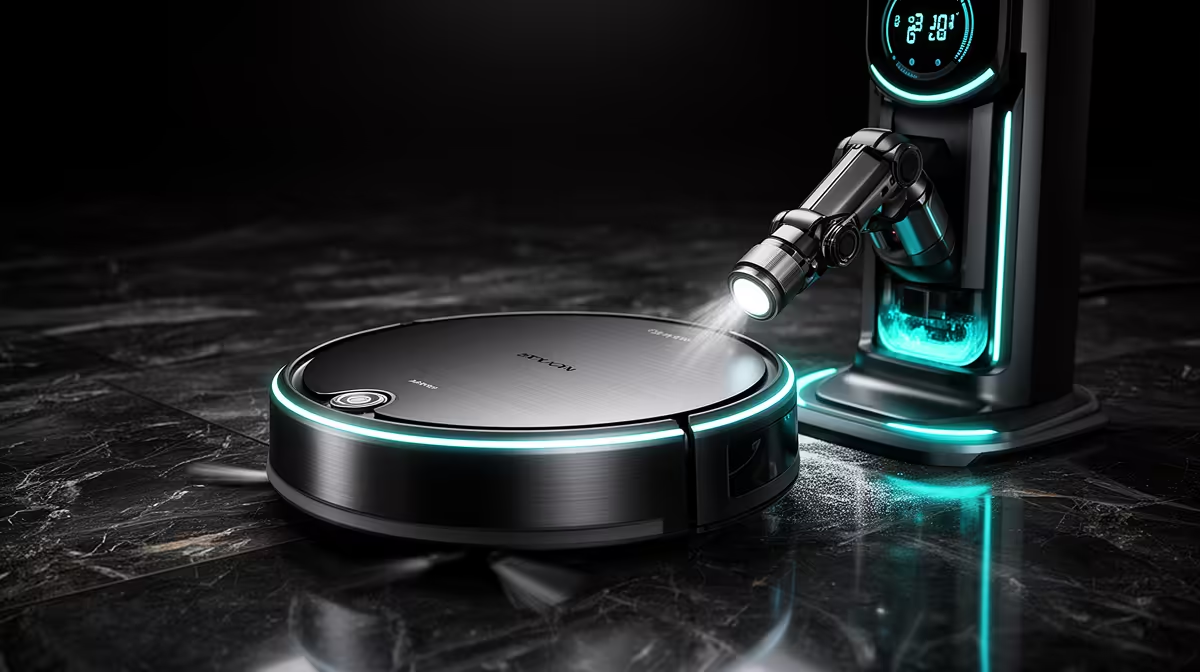
The dock has become the headline feature as much as the robot. Self-wash docks now rinse the mop pads, dry them with warm air to stop them going musty, empty the dustbin, and refill the clean-water tank. The point is to cut your involvement to near zero: the robot mops, returns home, and cleans itself.
Warm-air drying is the underrated part, because a damp pad left sitting is how a mop starts to smell. A dock that dries the pad keeps the whole system hygienic between runs.
What This Means For SA Buyers
These features are genuinely useful, but they cluster at the top of the range, so it is worth deciding which ones you actually need. If you have pets and hard floors, suction and edge-cleaning earn their keep. If your floors are cluttered, the AI obstacle avoidance is what makes hands-off running realistic. If you hate maintenance, the self-wash dock is the feature to prioritise. You can weigh these against your space and budget across the smart home and appliance range at Evetech, and pick up replacement pads, brushes and filters from the accessories and best sellers so the robot keeps performing.
Frequently Asked Questions
Is 20,000 Pa of suction overkill for a home?
Not for homes with pets, carpet or high-traffic hard floors. Stronger suction lifts embedded grit and fine dust that lighter models miss, and it cleans thoroughly in fewer passes. For very small, low-traffic spaces, a mid-tier model may be plenty.
How well do AI cameras avoid obstacles?
Flagship 2026 models recognise objects as small as around 1cm, enough to dodge cables, socks and small toys. It is not flawless, but it dramatically reduces the chance of the robot eating a cord or smearing a spill, so you can run it without clearing the whole floor first.
What does a self-wash dock actually do?
It rinses the mop pads, dries them with warm air to prevent odour, empties the dustbin into a sealed bag, and refills the clean-water tank. The aim is to reduce your hands-on maintenance to almost nothing between cleans.
Do the extending arms really clean corners better?
Yes. The arm reaches out as the robot passes a wall or corner to flick debris into the suction path, addressing the dead zone round robots normally leave behind. Paired with an outward-swinging mop, it cleans much closer to edges and skirting.
If a hands-off clean appeals, match the right features to your floors and budget. Browse the smart home and appliance range at Evetech to find a robot vacuum that suits a real South African home.