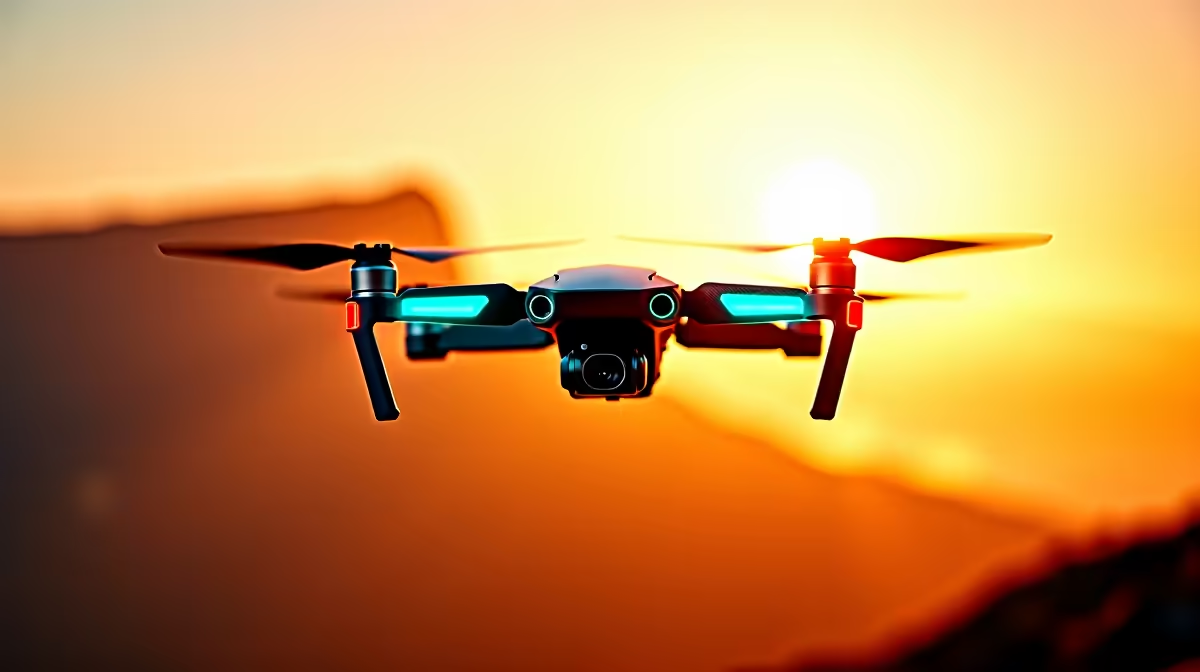
Buying a drone is the easy part. Flying it legally in this country is where people trip up. The South African drone rules for recreational pilots in 2026 are set by the SACAA, and the headline limits have held steady: a 120 metre altitude ceiling, daylight flying only, and strict no-fly zones near airports and national parks. Get these right and a hobby drone stays a hobby, not a fine.
Quick Answer
For recreational flying in 2026, the SACAA keeps the 120 metre altitude limit, requires daylight visual-line-of-sight flying, and bans flights over airports and national parks. Private recreational drones under 7 kg are exempt from licensing, but the airspace and safety rules still apply to everyone.
The core rules every recreational pilot must follow
Three limits sit at the heart of recreational drone flying.
The 120 metre altitude ceiling means you may not fly higher than 120 metres above the ground. This keeps drones clear of crewed aircraft, which is the single most important safety reason behind the regulations.
Visual-line-of-sight means you must be able to see your drone with your own eyes at all times, no relying solely on the camera feed. That rules out flying behind buildings, over hills, or out to the horizon where you lose sight of it.
Daylight only means recreational flights happen in daylight hours, when you can see both your drone and any obstacles or aircraft around it.
Where you may not fly
No-fly zones are where most recreational pilots get into trouble, often without meaning to. The big ones to memorise:
Airports and their surrounding airspace are strictly off limits. Drones and aircraft do not mix, and the buffer around airports is large, so check before flying anywhere near one.
National parks are also no-go without specific authorisation. SANParks and the regulations treat them as protected, both for wildlife and for visitor safety.
Beyond those, keep clear of crowds, do not fly over people who are not part of your activity, and respect private property and privacy. A good habit is to assume an area is restricted until you have confirmed it is clear.
Who needs a licence and who does not
Here is the part that surprises people. If you are flying a private drone under 7 kg purely for recreation, on your own property or with the property owner's permission, and not for any commercial gain, you are exempt from the formal SACAA licensing that commercial operators need. You do not need an RPL for a weekend hobby flight within the rules.
The moment money enters the picture, the rules change. Filming for payment, surveying, or any commercial use moves you into licensed territory with stricter requirements. The exemption is specifically for genuine recreational use. The full SACAA framework is the authoritative source, and you can read more about what counts as recreational on the SACAA's guidance pages. For the gear itself, the accessories buyers are picking up most cover spare batteries, props, and cases that keep a drone flying.
Frequently Asked Questions
How high can I legally fly a drone in South Africa?
The SACAA limit is 120 metres above the ground for recreational flying. This keeps drones well clear of crewed aircraft and applies to all hobby pilots.
Do I need a licence to fly a drone for fun?
No, not for private recreational use of a drone under 7 kg on your own or permitted property. Licensing kicks in for commercial use. Always check the latest SACAA guidance, as it is the official source.
Can I fly my drone in a national park?
Not without specific authorisation. National parks are no-fly zones under the regulations, for both wildlife protection and visitor safety. Assume it is off limits unless you have written permission.
Can I fly at night or out of sight?
No. Recreational flying must be in daylight and within visual line of sight, meaning you can see the drone with your own eyes at all times. Flying behind obstacles or into the distance breaks the rules.
What happens if I break these rules?
You risk fines and confiscation, and flying near aircraft is a serious safety offence. The rules exist to keep airspace safe, so staying within altitude, daylight, line-of-sight, and no-fly limits protects both you and others.
Know the rules, then fly with confidence. Browse the drones and accessories in stock at https://www.evetech.co.za/PC-Components/smart-home-appliances-344 and get airborne the legal way.