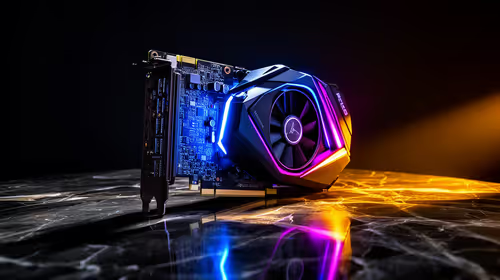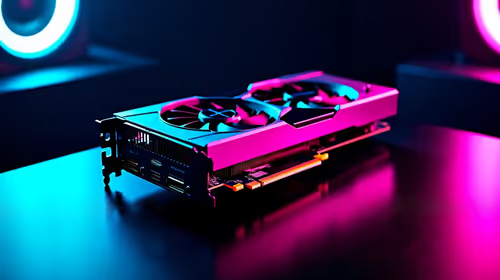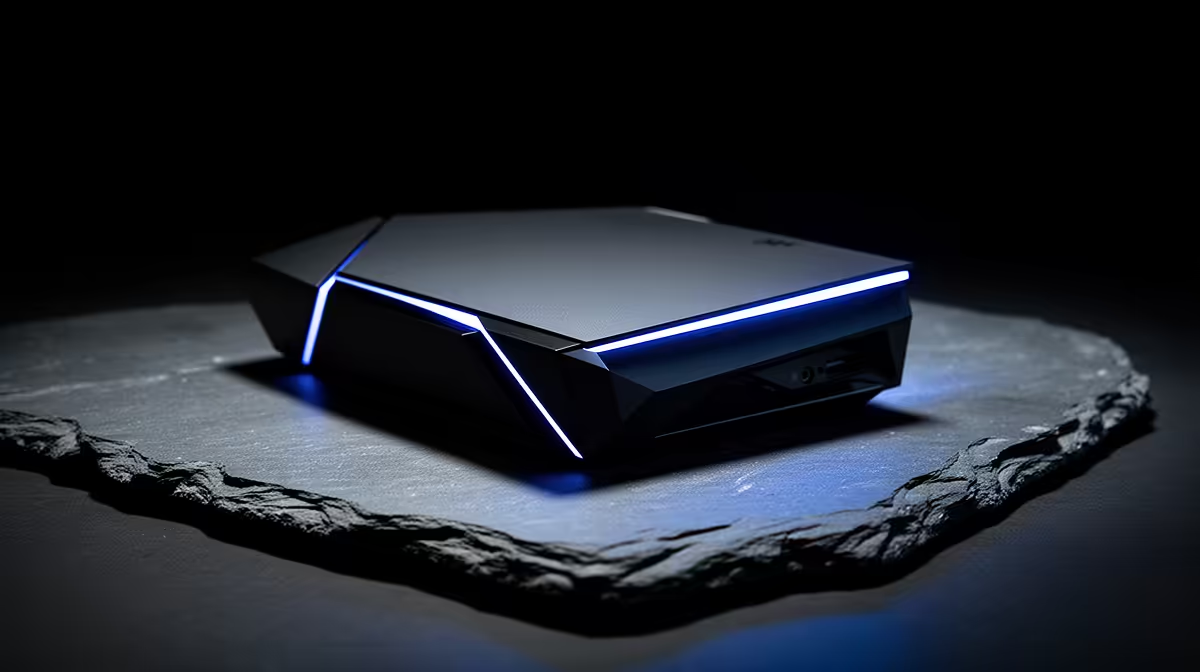
Valve is building a console again, and Valve's Steam Machine is not the misfire the name might recall from a decade ago. This time it is a compact, SteamOS-driven box carrying 16GB of DDR5 system memory alongside 8GB of dedicated GDDR6 VRAM, aimed at putting a proper living-room PC under the TV. The headline twist is the delay: the launch slipped into 2026 after an AI-driven memory shortage pushed GDDR prices up and forced Valve to rethink how it prices the machine.
Quick Answer
Valve's Steam Machine is a SteamOS console with 16GB DDR5 RAM and 8GB of dedicated GDDR6 VRAM, pushed into summer 2026. The delay traces to AI-driven memory shortages that raised GDDR6 prices, complicating Valve's pricing plans. It is built to run your existing Steam library on the TV without a traditional gaming PC.
What is inside the box
The memory split is the detail worth understanding. Sixteen gigabytes of DDR5 handle the system and game logic, while a separate 8GB of GDDR6 serves as dedicated graphics memory, the same kind of fast VRAM you find on a discrete GPU rather than the shared pool a handheld leans on. That architecture matters because dedicated VRAM lets the graphics side work without competing with the rest of the system for bandwidth, which is part of why this is pitched as a real console-class machine and not a scaled-up Steam Deck.
It runs SteamOS, so the experience is built around Steam from the moment it boots, with the same big-picture interface and Proton translation layer that bridges Windows games to Linux. In practice that means the library you already own is the library you play, on the TV, without wrestling with a desktop operating system.
Why it slipped into 2026
The delay is a supply story, not a hardware failure. Demand for memory from AI data centres has tightened the market for high-speed chips, and GDDR6 prices climbed as a result. For a console where the whole pitch is value, a sudden rise in the cost of a core component throws the pricing maths into question, and Valve appears to have pushed the launch to summer 2026 rather than ship at a price that undercuts the appeal. It is a pragmatic call: a console that arrives later at the right price serves players better than one rushed out too expensive.
That same memory pressure ripples across the wider hardware market, which is part of why building or buying a capable system now, rather than waiting indefinitely, can make sense. Tracking what holds value among the most popular PCs at Evetech gives a useful read on where pricing sits while the Steam Machine finds its window.
How it fits the SA living room
For South African gamers, the appeal is a tidy box that plays a Steam library on the TV without a full desktop tower, and without the closed ecosystem of a traditional console. The questions that matter at launch will be local price and stock, both of which depend heavily on where memory costs land by mid-2026. Until it arrives and is confirmed in stock locally, a Steam-ready PC or a compact handheld covers the same itch today. The current handheld gaming console range at Evetech is the closest thing on shelves right now for SteamOS-style portable play.
Frequently Asked Questions
What are Valve's Steam Machine specs?
It carries 16GB of DDR5 system memory and 8GB of dedicated GDDR6 VRAM, running SteamOS. The dedicated graphics memory is what separates it from a handheld that shares a single memory pool, positioning it as a console-class living-room machine.
When is the Steam Machine coming out?
The launch was pushed into summer 2026 after AI-driven memory shortages raised GDDR6 prices. South African availability and pricing will follow the global release and depend on where memory costs settle.
Why was the Steam Machine delayed?
Demand for memory from AI data centres tightened supply and pushed GDDR6 prices up. Since the Steam Machine's appeal rests on value, Valve appears to have delayed rather than launch at a price that undermined that pitch.
Does the Steam Machine run my existing Steam games?
Yes. It runs SteamOS with the Proton compatibility layer, so the Steam library you already own plays on it, including many Windows titles, presented through the familiar big-picture interface on your TV.
Is it better than a gaming PC?
It is more of a convenient, console-style alternative than a replacement for a full PC. A desktop offers more upgrade flexibility and raw power, while the Steam Machine trades that for a compact, plug-and-play SteamOS box for the living room.
The Steam Machine is worth watching, but you do not have to wait to play SteamOS games on the move. Explore the current handheld gaming consoles at https://www.evetech.co.za/PC-Components/handheld-gaming-consoles-357 and take your Steam library with you today.