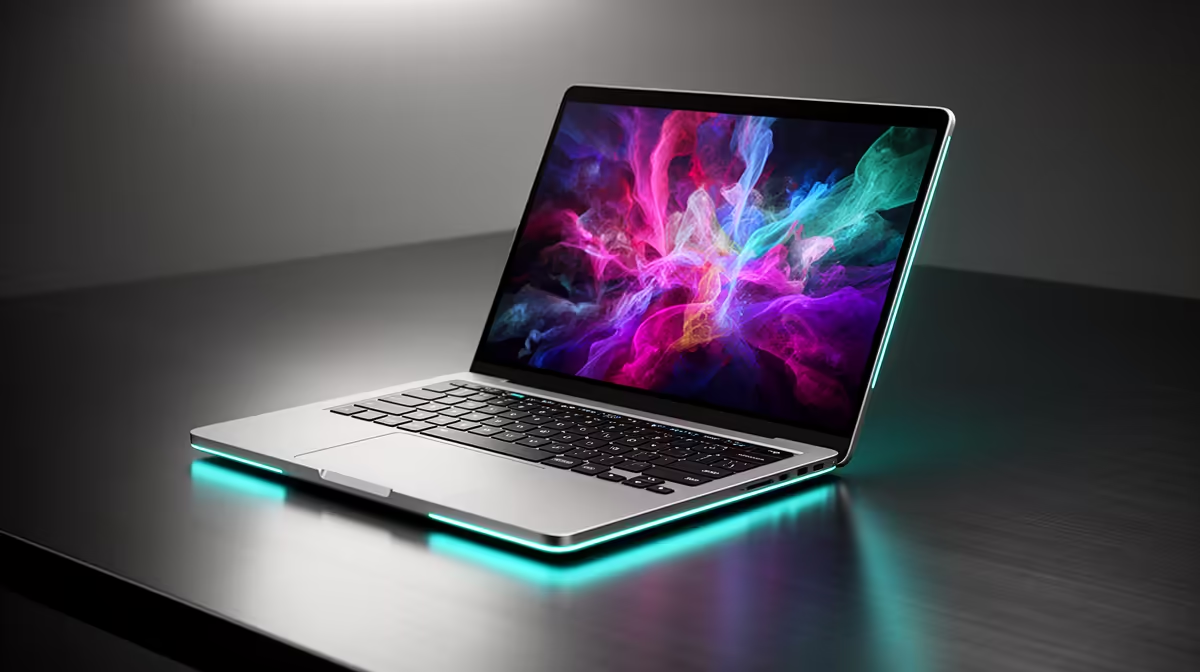
Apple already proved the idea in the iPad Pro M4, and now the rumour mill points the same display technology at the next pro laptop. Tandem OLED stacks two light-emitting layers instead of one, and that single structural change is why it keeps surfacing in talk about the M6 MacBook Pro.
Quick Answer
Tandem OLED stacks two organic light-emitting layers so each one carries roughly half the brightness load. That raises peak brightness and extends panel lifespan. The rumoured M6 MacBook Pro is widely tipped to use it, following Apple's adoption of tandem OLED in the iPad Pro M4.
How tandem OLED actually works
A standard OLED panel uses a single layer of organic material that emits light when current passes through it. To hit high brightness, that one layer has to work hard, and the harder organic compounds are driven, the faster they degrade.
Tandem OLED splits the job. By stacking two emitting layers on top of each other, each layer only needs to produce about half the light to reach the same total brightness. Less strain per layer means the panel can push higher peaks and hold its colour and brightness for longer before any visible ageing sets in.
Apple's existing OLED hardware shows where this fits, and you can compare the current pro lineup in the MacBook range at Evetech while the M6 rumours firm up. If you are tracking which models are popular right now, the MacBook best-sellers list shows what buyers are choosing in the current generation.
Why it matters for a laptop specifically
Two advantages stand out for a pro notebook. First, brightness. A laptop gets used near windows, on the move, and under harsh office lighting, so a brighter panel stays readable where a dimmer one washes out. Tandem OLED lets the screen hit strong HDR highlights without cooking the organic layers.
Second, longevity. OLED burn-in and gradual dimming have always been the technology's weak point on devices kept for years. Spreading the load across two layers directly addresses that, which is exactly what you want on a machine professionals expect to keep for a long stretch.
What to expect from the rumoured M6 MacBook Pro
Treat the timing as unconfirmed. The signal is strong because Apple has already shipped tandem OLED in the iPad Pro M4, so bringing the same approach to its flagship laptop is a logical next move rather than a wild guess. If it arrives, the practical payoff is a brighter, deeper, longer-lasting display, not a change to how you use the machine day to day.
Frequently Asked Questions
What is the difference between tandem OLED and standard OLED?
Standard OLED uses a single emitting layer, while tandem OLED stacks two. The two-layer design lets each layer work less hard for the same brightness, improving peak brightness and lifespan.
Does tandem OLED prevent burn-in?
It reduces the risk rather than eliminating it. Because each layer is driven less hard, the organic material ages more slowly, which lessens the dimming and burn-in that affect single-layer panels over years of use.
Is the M6 MacBook Pro confirmed to use tandem OLED?
No. It is a strong rumour, supported by Apple already using tandem OLED in the iPad Pro M4. Nothing is official until Apple announces it.
Will tandem OLED make the screen brighter?
Yes. Splitting the brightness load across two layers lets the panel reach higher peak brightness, which is especially useful for HDR content and for staying readable in bright conditions.