

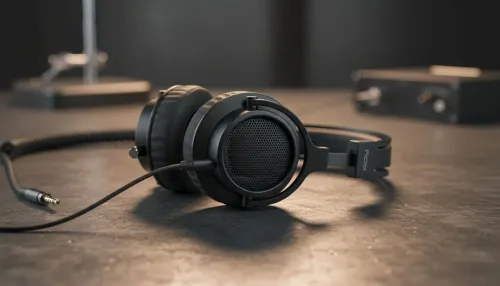
Maintain Wired Headset: Tips to Extend Lifespan
Maintain wired headset — Checklist: • inspect cables • clean earpads • store properly 🔧🎧 Practical steps to preserve sound quality and avoid premature replacements.
Read more3D NAND vs traditional NAND explains why modern SSDs improve reliability, reduce failures, and handle wear better. Learn the key differences, real-world effects, and what to buy for longevity. ✅💾
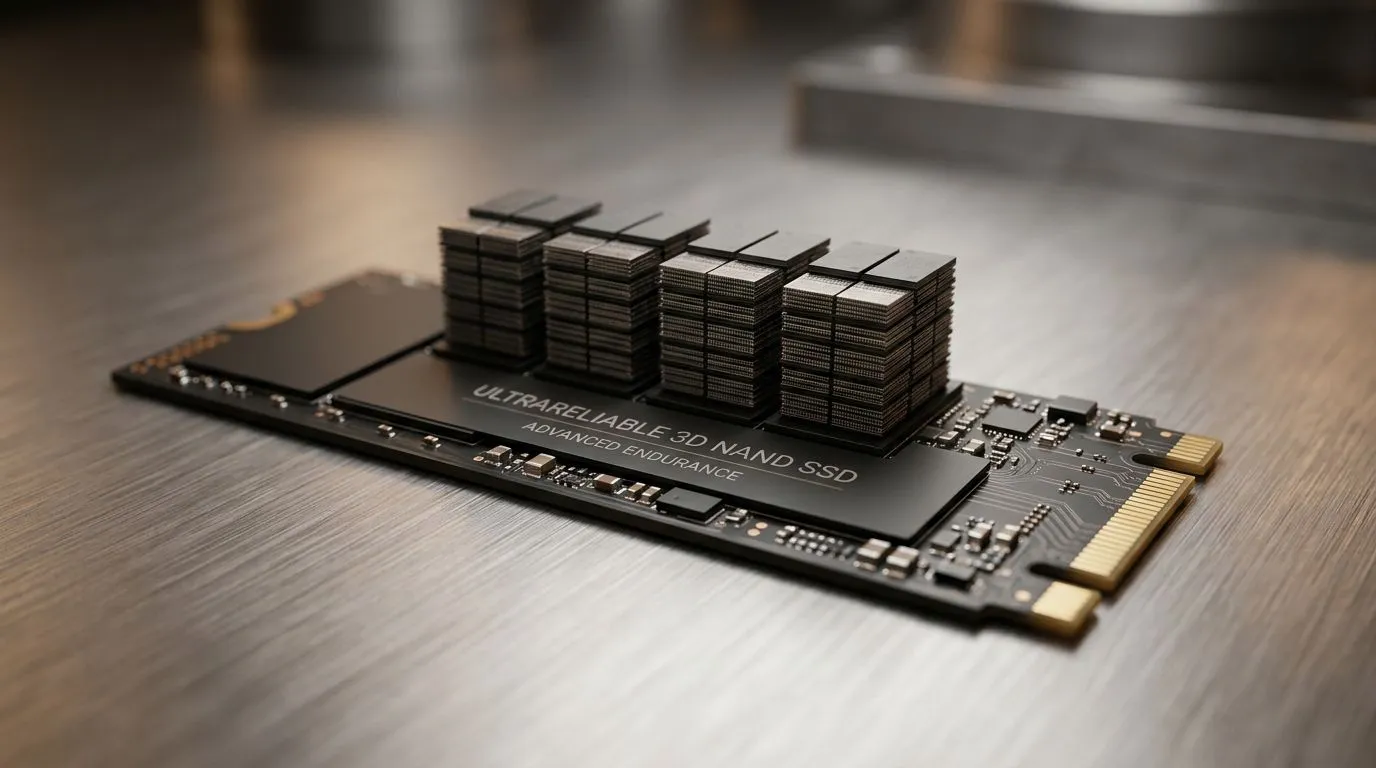
Load times matter when you’re jumping into ranked… and stability matters even more than brand logos. South African players push SSDs hard with game installs, shader caches, launches after launches, and Windows updates that never seem to stop. 🔧
So what’s the difference between 3D NAND vs Traditional NAND: SSD Reliability Explained? In this Deep Dives guide, we’ll break down why SSD reliability isn’t just marketing, and how to choose an SSD that fits your setup and your budget.
Traditional (planar) NAND stores cells on a flat layer. 3D NAND stacks those layers vertically. That simple geometry change helps manufacturers pack more memory into the same space, and it often improves endurance characteristics at higher capacities.
Why should you care? Because NAND reliability is strongly tied to how many times memory cells can be programmed and erased (endurance). When a drive runs out of usable write cycles, performance and reliability can degrade over time.
To keep expectations realistic, SSD reliability is also shaped by the controller, firmware, over-provisioning, and how you use your drive (sustained writes versus occasional installs). The NAND type matters… but it’s not the only factor.
When comparing SSDs, look for the drive’s TBW (total bytes written) rating and warranty length. Those aren’t perfect predictions, but they’re better than guessing from capacity alone.
If you’re an SA gamer who installs big titles often, consider these practical patterns:
Evetech sells a wide range of SSDs, so it’s worth filtering by interface and form factor to match your motherboard. Start here for a clean baseline: Browse our SSD selection
NAND type influences endurance, but the way the system uses the SSD matters too. For example, an M.2 2280 drive can be perfect for a compact build, while a bigger cooling setup can help keep temperatures down. ✨
If you want to compare drives from specific vendors, here are reliable starting points: ADATA SSDs and Kingston SSDs
And if you’re building around M.2 storage, filter by your exact slot size: M.2 2280 SSD options
For modern systems, also confirm the interface generation you’re buying. PCIe generation can affect peak speeds, which influences how long big installs take: Gen 5 (NVM…)-compatible SSDs
Here’s the “don’t regret it later” checklist I use when recommending drives to friends in SA:
On Windows, enable Storage Sense (Settings → System → Storage). It helps prevent unnecessary write-heavy clutter like temp files and cache buildup, which can reduce unnecessary NAND wear over time.
If you’re deciding between “3D NAND vs Traditional NAND: SSD Reliability Explained,” the healthiest takeaway is this: 3D NAND generally supports better packing and often better endurance outcomes, but your real reliability comes from the full drive design plus your usage.
Ready to stop guessing and match a drive to your PC and gaming habits? Use Evetech’s filters to lock in the right interface, form factor, and brand choices before you click “buy”. 🚀
Ready to Find Your Perfect Match? The Mac vs Windows debate is complex, but for maximum power, choice, and value in South Africa, Windows is hard to beat. Explore our massive range of laptop specials and find the perfect machine to conquer your world.
Usually yes. 3D NAND improves reliability by enabling better control of wear and reducing stress on cells, which supports longer SSD endurance.
3D NAND typically helps SSDs last longer by improving cell efficiency and supporting reliability features that slow down wear accumulation over time.
It can. SSD controllers use wear leveling and optimization, and 3D NAND designs often pair well with techniques that reduce write amplification.
NAND flash reliability refers to cell endurance and data integrity, while SSD reliability also depends on firmware, controller quality, thermal management, and overprovisioning.
Often, higher endurance formats help. MLC generally offers better endurance than TLC, but the exact outcome depends on 3D NAND generation and controller tuning.
Use TBW as a baseline for endurance. Pair it with realistic workload expectations and choose an SSD with strong warranty and known controller support.
Data retention depends on multiple factors, but 3D NAND plus good SSD firmware and power-loss protection can support more consistent integrity over the long term.
Maintain wired headset — Checklist: • inspect cables • clean earpads • store properly 🔧🎧 Practical steps to preserve sound quality and avoid premature replacements.
Read more
Fix crackling headset fast: step-by-step checks for cables, connectors, drivers, and settings to remove static or distorted audio on wired headsets 🎧⚙️
Read more
Stereo vs mono headsets: learn which delivers clearer calls, better spatial music, or simpler mono voice performance — pick the right headset for meetings, music, or gaming 🎧💬
Read more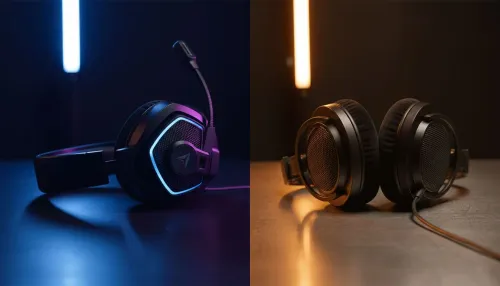
- Compare gaming headset vs studio headphones; - Assess comfort, mic and sound; - Recommend best daily picks. Gaming headset vs studio headphones: learn which suits work, music and casual gaming. 🎧⚖️
Read more
- Check pressure points - Compare earcup materials - Adjust clamp and fit Best gaming headsets for glasses: quick guide to reduce temple pressure, pick breathable memory foam earcups, and optimize fit for long sessions 🕹️👓
Read more
Gaming microphone noise reduction: Use beamforming mics, AI noise suppression, and hardware filters to cut background noise and boost in-game voice clarity. 🎧⚙️ Learn setups, settings, and top mic features.
Read more
Snapdragon X2 NPU Explained: How 80 TOPS Changes. Plain-English explanation of what it means, why it matters & how it affects your buying decisions in SA.

HBM? High Bandwidth Memory Used in GPUs and AI. Plain-English explanation of what it means, why it matters & how it affects your buying decisions in SA.
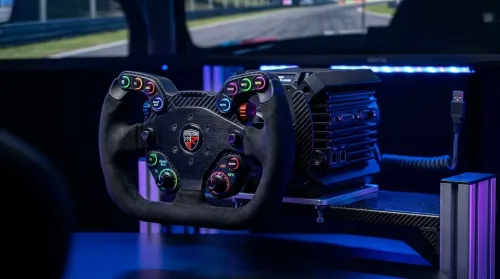
How much should you spend on sim racing accessories in South Africa for a realistic setup? We break down budgets by quality tiers, so you buy smart gear and avoid overspending 🎮💸

G-Sync and FreeSync? Variable Refresh Rate. Plain-English explanation of what it means, why it matters & how it affects your buying decisions in SA.

AMD Laptop: Value. SA-focused analysis with local pricing data, real-world insights & actionable buying advice.

How MacBook Neo Handles 30+ Chrome Tabs with Only. SA-focused analysis with local pricing data, real-world insights & actionable buying advice.

Why Apple Put 8GB RAM in MacBook Neo: The A18 Pro. SA-focused analysis with local pricing data, real-world insights & actionable buying advice.
Upgrade your work laptop with a New Motherboard. Step-by-step instructions with SA-specific tips, common pitfalls to avoid & expert recommendations.
Maintain wired headset — Checklist: • inspect cables • clean earpads • store properly 🔧🎧 Practical steps to preserve sound quality and avoid premature replacements.
Fix crackling headset fast: step-by-step checks for cables, connectors, drivers, and settings to remove static or distorted audio on wired headsets 🎧⚙️
Stereo vs mono headsets: learn which delivers clearer calls, better spatial music, or simpler mono voice performance — pick the right headset for meetings, music, or gaming 🎧💬
- Compare gaming headset vs studio headphones; - Assess comfort, mic and sound; - Recommend best daily picks. Gaming headset vs studio headphones: learn which suits work, music and casual gaming. 🎧⚖️