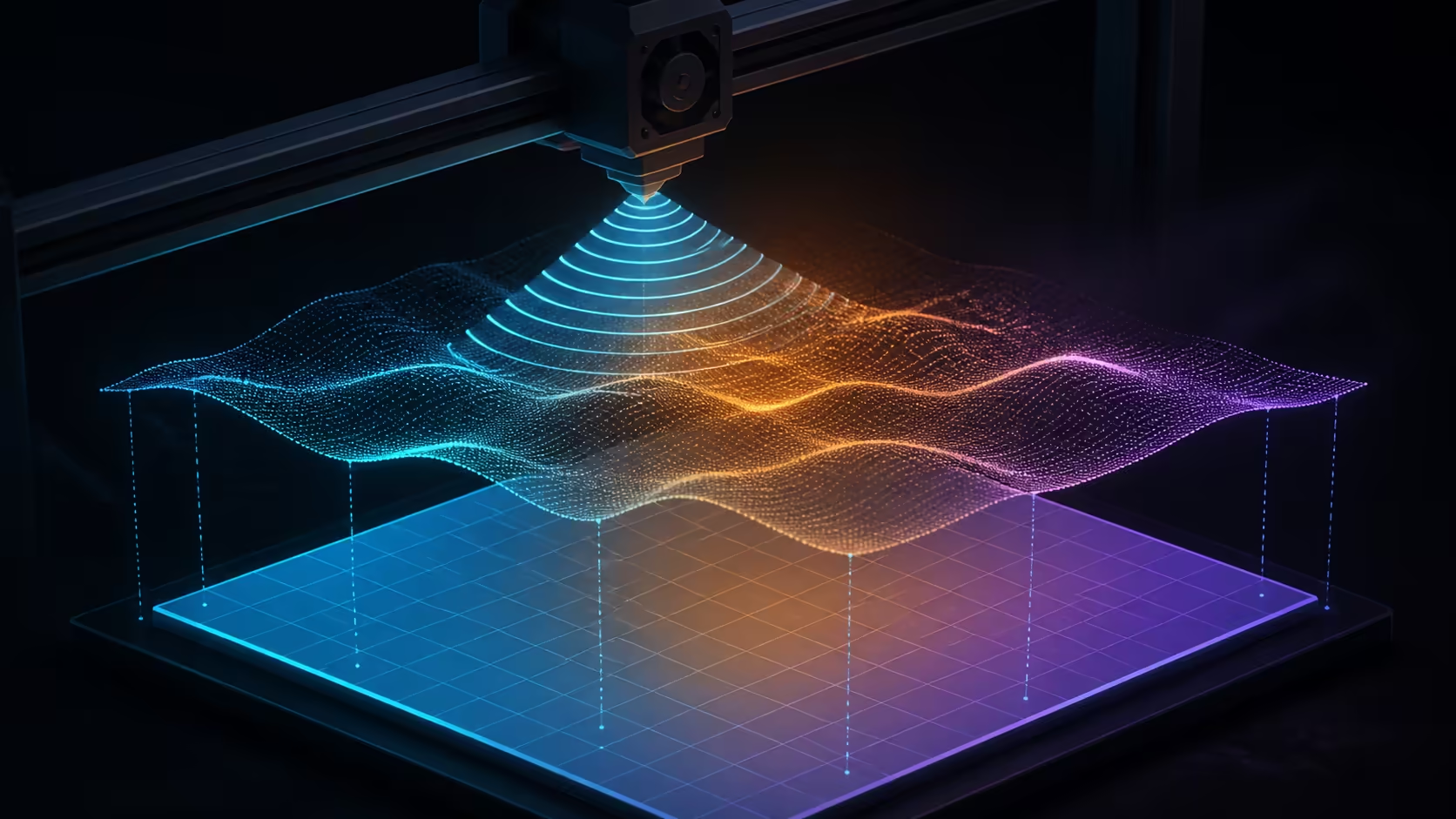
Automatic bed levelling for reliable first layers is a preparation system, not a guarantee. It can automate part of the bed relationship, while surface condition, initial settings, filament flow and the exact first-layer profile still determine what is deposited.
Quick Answer
Neptune 4 Plus automatic levelling establishes the bed plane across 320 x 320mm, while a clean material-matched surface and correct first-layer offset complete the setup.
For R7,799, the Neptune 4 Plus automates part of setup on its 320mm-square bed. Prepare the exact plate correctly, run the model-specific routine, print a broad diagnostic pattern and approve line contact before a larger or taller job.
🤖 Understand Automation's Role
During auto levelling, a printer-run process evaluates the bed relationship or applies its correction. Sensing method, probe, mesh and user steps vary by machine.
For the Neptune 4 Plus, confirm the proper control sequence before changing values. Do not adopt a probe type, point count or manual mesh procedure from another printer that uses the same broad feature name.
Automation reduces some direct setup work, yet it cannot clean contamination, select a filament profile or decide whether the first layer is acceptable. The operator still prepares and verifies the system.
Separate four stages:
- Prepare the surface with a method suitable for its exact material.
- Run the Neptune's correct automatic routine.
- Apply any model-required initial height or confirmation step.
- Print and inspect a diagnostic layer across relevant regions.
Keeping these stages distinct makes troubleshooting easier. Repeating levelling cannot remove an extrusion problem, and changing flow cannot clean a contaminated surface.
Compare setup workflows among large FDM printers at Evetech using exact procedures instead of automation labels.
🧽 Prepare the Broad Bed
The build area measures 320 x 320mm. Its removable platform combines a specialised PLA surface with textured PEI on the reverse, so choose the relevant side and its approved cleaning or removal method before levelling.
Inspect the nozzle area through the printer's safe handling process. Residue can change the physical starting relationship and undermine the next check. The Neptune's 300C maximum is not a maintenance setting.
Check that the machine occupies a suitable operating location. Printable space does not define external footprint, support-surface needs or plate-removal clearance.
Use one known compatible spool during bed diagnosis. Changing filament while comparing levelling outcomes adds another possible cause.
Browse 3D printing filament through Evetech after confirming the whole printer and surface route for the material.
🧪 Read a First-Layer Pattern
Choose a simple pattern that reaches the zones used by the planned model. A small centre square may miss an edge or corner issue on a broad bed.
Watch adjacent lines for similar contact and joining. Observe whether material stays loose, becomes overly pressed or changes visibly between regions. Stop the job if continuing could risk the nozzle or surface.
Map the symptom by location. If only one region changes, inspect surface and levelling factors there. If every line is thin or inconsistent, extrusion or initial profile choices may deserve attention.
The direct drive extruder feeds the nozzle, so first-layer diagnosis should include repeatable material delivery. Use the correct filament temperature rather than increasing toward 300C without a material reason.
Change one variable, rerun the same pattern and label the result. A controlled sequence is more informative than altering height, temperature, flow and speed together.
📋 Preserve a Reliable Baseline
Once the pattern passes across the required area, move to a modest representative part before filling the build envelope. The printer offers 385mm of height, but large work should follow evidence from the bed it depends on.
Klipper and up-to-500mm/s motion belong later in the process. Establish layer one at a conservative rate, then tune speed through separate samples.
Explore Evetech's 3D printer selection when another volume or setup route better suits the work.
Record surface preparation, levelling command, filament, initial profile and the accepted pattern. Re-run the exact machine process after changes that affect the bed relationship or when required by its operating routine.
Do not promise that automatic levelling makes every job reliable. It makes one stage more structured; reliability comes from the complete preparation, material and profile process being repeatable.
For shared machines, keep the accepted first-layer pattern and preparation card near the printer. Another operator should be able to reproduce the baseline without inheriting a hidden offset or an unrecorded cleaning step.
When a later job fails after a good first layer, preserve that evidence. Return diagnosis to geometry, motion, temperature or extrusion rather than automatically rerunning levelling. This prevents the automated feature from becoming the default explanation for every problem above the bed.
Use the same broad pattern after maintenance or relocation if the bed relationship may have changed. Label the new result and compare regions with the earlier baseline rather than relying on memory.
Avoid turning one clean centre square into approval for the entire 320 x 320mm surface. The diagnostic should represent the footprint of the planned job, especially when a wide part extends toward an edge.
Close the routine by naming who may change levelling-related values. Shared printers benefit from controlled ownership because an unrecorded offset or mesh intervention can undermine the next operator's otherwise correct preparation.
Review the baseline at a defined interval and after relevant physical work. A repeated good pattern can confirm that the preparation process remains sound without promising the same result for a different filament or plate treatment.
When the diagnostic changes, map the affected region before touching settings. Location is useful evidence: a single corner and an entire thin layer point the next investigation toward very different parts of the preparation process. Preserve both dated comparison samples for later operator review.
Its double-sided plate gives PLA a specialised low-temperature face; the textured reverse serves ABS, flexible TPU and reinforced blends. Run the cycle after cleaning, then use a broad diagnostic print to separate remaining height, contamination and extrusion problems.
Do not use input shaping or pressure advance as first-layer remedies. Those Klipper tools address motion and extrusion dynamics after the bed contact is correct. Once the broad diagnostic passes, save the plate face, material, offset and bed temperature together so the next job starts from a known foundation.
Automatic levelling is most repeatable when the machine begins from the same warm, clean state. Record any manual offset after the diagnostic pattern passes, and revisit it after nozzle or plate changes rather than before every unrelated speed experiment.
Frequently Asked Questions
What does automatic bed levelling contribute?
It runs a printer-assisted routine for the bed relationship, reducing some direct manual work during preparation.
How large is the area in this example?
The Neptune 4 Plus covers a 320 x 320mm build surface with 385mm available vertically.
Does levelling specify the first-layer result?
No. Surface condition, initial placement, filament flow and profile settings remain part of the deposited layer.
Which levelling details need a model check?
Use the exact Neptune 4 Plus operating procedure rather than carrying probe or mesh details over from another model.
Why print a broad first-layer test?
It reveals regional differences across the large bed that a small centre-only pattern may fail to show.
When should the routine be repeated?
Follow the printer process and repeat after relevant physical changes or when the established baseline no longer reproduces.
What price includes automatic levelling?
The Neptune 4 Plus costs R7,799 and combines automatic bed levelling with Klipper, direct drive and a 300C nozzle.
Want automation backed by a visible first-layer check?
Compare auto-levelling printers at Evetech with surface, routine, extrusion and broad-bed verification kept in one workflow.