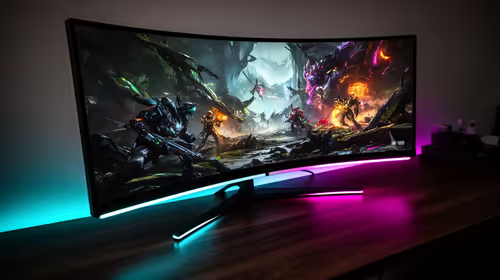
Understanding the Visual Tech in Phantom Blade Zero
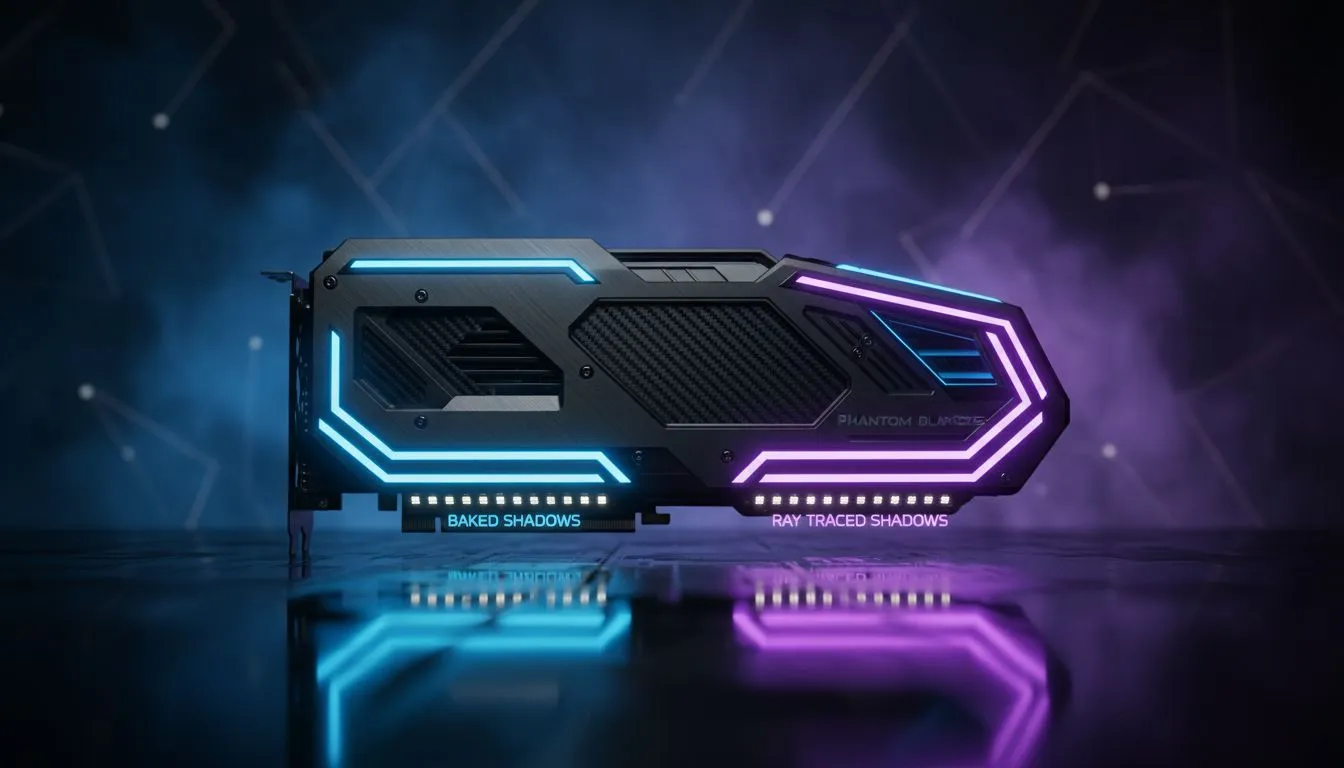
Ever looked at a scene in a modern action RPG and wondered why the shadows look so crisp yet your frame rate stays steady? That is the magic of clever lighting techniques. We are diving into how Baked Ray Traced Shadows: Phantom Blade Lighting Compared to traditional methods affects your gameplay. For South African gamers looking for that perfect visual balance, understanding this tech is vital. 🔧
In the world of high-end rendering, "baked" lighting refers to light maps that are pre-calculated during the game's development. Instead of your GPU calculating every single ray of light in real-time... which is incredibly taxing... the developers use powerful hardware to "bake" those shadows directly onto the textures. When browsing the latest NVIDIA & ATI graphics cards, you will notice that even mid-range hardware can now handle these scenes with ease because the heavy lifting was done before you even hit 'Play'.
Real-Time vs. Baked: The Performance Trade-off
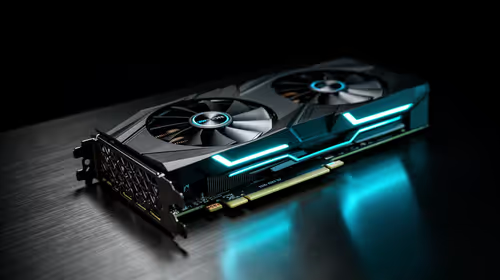
The primary benefit of the lighting system in Phantom Blade is the performance overhead... or lack thereof. Real-time ray tracing requires immense power to calculate soft shadows and reflections on the fly. By using baked ray-traced shadows, the game achieves that realistic, soft-edged look without requiring a R30,000 GPU just to maintain 60 FPS. If you are looking for a hardware partner that balances thermal efficiency with raw power, the reliability of MSI graphics cards to handle the heat of long gaming sessions in our local climate is hard to beat.
Optimising Shadow Quality ⚡
If you are struggling with stutter in high-fidelity titles, try lowering 'Shadow Cascades' before touching the resolution. It often preserves the sharp 'Baked Ray Traced Shadows' look while freeing up valuable VRAM for smoother combat.
Choosing the Right Hardware for Modern Lighting
While baked shadows look great, they are static. For dynamic environments where objects move and light sources shift, you still need a card with strong rasterization and ray-tracing cores. The incredible value found in AMD Radeon graphics cards often provides the raw VRAM needed to load these high-resolution light maps without hitting a bottleneck.
The Entry-Level and Professional Perspective
Not everyone needs a top-tier enthusiast build to enjoy these visuals. Entry-level enthusiasts should consider Intel Arc graphics cards for modern feature sets that punch well above their price point in ZAR. These cards handle modern APIs exceptionally well, making them a solid choice for budget-conscious builds.
On the other end of the spectrum, the developers creating these beautiful worlds often rely on workstation graphics cards to pre-calculate these lightmaps. These professional-grade GPUs are designed for accuracy and long-term stability... the unsung heroes behind every "baked" shadow you see on screen. ✨
Why Baked Shadows Matter for SA Gamers
In South Africa, we often deal with varying hardware availability and the need for longevity in our components. Techniques like those seen in the Baked Ray Traced Shadows: Phantom Blade Lighting Compared analysis show that developers are finding ways to make games look "next-gen" without forcing every player to upgrade every two years. It is about clever engineering rather than just brute force. 🚀
Whether you are exploring dark temples or fast-paced urban environments, these lighting techniques ensure that your immersion isn't broken by jagged, unrealistic shadows. By combining the aesthetic of ray tracing with the efficiency of traditional rendering, we get the best of both worlds.
Ready to Find Your Perfect Match?
The balance between lighting fidelity and performance is the key to a great gaming experience in South Africa. Explore our massive range of graphics card specials and find the perfect GPU to bring Phantom Blade's world to life on your desk.