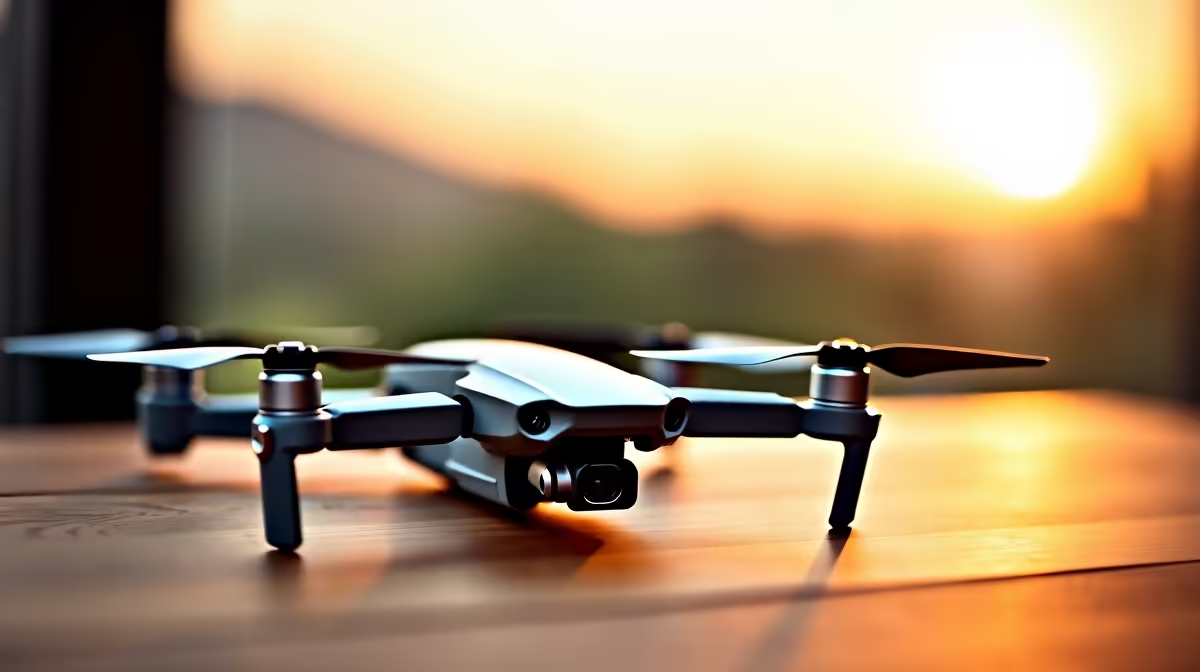
Every gram and every centimetre counts when your camera kit has to share a day pack with clothes, chargers and a water bottle. The best travel drone for someone who packs light is the DJI Mini 5 Pro, which tips the scales at 249.9g, folds down to a footprint you barely notice, and still records 4K footage at up to 100fps. It is the lightest drone that genuinely earns the word serious.
Quick Answer
The DJI Mini 5 Pro is the top pick for light packers at 249.9g, just under the common 250g regulatory threshold, with a folding body that slips into a day pack and 4K capture at up to 100fps. It pairs real camera capability with the smallest sensible footprint for travel.
Why the Sub-250g Class Changes Travel
The 249.9g figure is not a coincidence. Many countries set lighter rules for drones under 250g, which can mean simpler registration and fewer restrictions for casual travel flying. Always confirm the rules of the country you are visiting, but starting under that line keeps your options open and your paperwork lighter. Crucially for a light packer, that same weight class is what makes the drone disappear into a bag rather than dominate it.
You can see how compact drones sit alongside other travel tech on the smart home and gadgets range when planning a kit.
Folded Size Is What Actually Fits
Weight gets the headlines, but folded dimensions decide whether the drone rides in your pack or stays home. The Mini 5 Pro folds its arms inward to a small block that tucks into a jacket pocket or the side sleeve of a day pack. Combined with its low weight, that means you carry it without choosing it over something else, which is exactly the point for a traveller who refuses to overpack.
Battery and Charging on the Road
Light packing extends to power. A couple of spare batteries weigh little and keep you flying across a long day of sightseeing. Charge from a USB power source so you do not carry a separate brick, and you keep the whole flying kit to a fraction of a kilogram.
Flying Rules SA Travellers Should Know
Before you pack a drone, understand that South Africa regulates recreational flying through the civil aviation authority, and most destinations abroad have their own rules too. Even a sub-250g drone has limits on where you may fly: keep clear of airports, national parks that prohibit drones, government buildings and crowds, and respect people's privacy. The lighter weight class often eases registration burdens, but it does not exempt you from flying responsibly. Research the local rules of wherever you are heading before the trip, not at the departure gate.
Spare Batteries and Air Travel
Drone batteries are lithium, so they travel in your carry-on, never checked luggage, and many airlines cap how many you may bring. Pack each spare in its own protective sleeve and check your airline's limits in advance. This is one area where the light packer's instinct to bring fewer, smaller items aligns neatly with the rules.
Camera Quality Without the Bulk
A small drone is only worth carrying if the footage holds up. The Mini 5 Pro shoots 4K, and the up to 100fps capability gives you smooth slow-motion for dramatic landscape reveals. For travel content, where you want sweeping coastlines and mountain passes, that resolution and frame rate deliver clips that look far more expensive than the drone's size suggests.
Stability in Wind
Travel often means exposed clifftops and coastal gusts. A light drone is more affected by wind than a heavy one, so check the conditions before launching near the sea or on a ridge. The Mini 5 Pro handles moderate breezes well for its class, but a very light aircraft always demands more care in gusty air.
Range and Flight Time on a Trip
A travel drone needs enough flight time to actually capture a scene before it has to come home. Modern compact drones manage a solid stretch of airtime per battery, which is why a spare or two transforms a single hilltop stop into a proper shoot. Transmission range matters less for cautious travel flying, where you keep the drone in sight anyway, but a stable video link makes framing those landscape shots far easier. Plan your flying around the battery you have, and land with margin rather than chasing the last few percent.
Who Should Buy It, and Who Should Not
This drone is built for the traveller, the hiker and the casual creator who values pack space above all. If you fly professionally in heavy wind, need the largest sensor, or carry serious gear regardless, a bigger drone offers more capability at the cost of bulk. For everyone packing light and flying for the love of the view, the Mini 5 Pro is the sweet spot.
Alternatives Worth a Look
If you want even smaller and simpler, lighter sub-250g models below the Mini 5 Pro trade camera capability and wind resistance for a slightly lower price and tinier footprint. They suit a casual traveller who just wants a few aerial holiday clips. At the other end, if you accept more bulk, a larger drone offers a bigger sensor, longer flight time and steadier footage in wind. The Mini 5 Pro sits at the point where capability and pack size meet, which is why it is the default recommendation for serious light packers rather than the absolute cheapest or the absolute most capable.
For the cases, spare cables and storage cards a travel kit needs, the accessories best sellers round out the bag without adding weight.
Frequently Asked Questions
Why does the 250g weight limit matter for travel?
Many countries apply lighter rules to drones under 250g, which can simplify registration and reduce restrictions for casual flying. The Mini 5 Pro sits at 249.9g specifically to stay under that common threshold, though you should always verify each country's rules.
Is a sub-250g drone good enough for real footage?
Yes, the Mini 5 Pro records 4K at up to 100fps, which is plenty for travel content and smooth slow-motion. The small body no longer means compromised footage in this class.
How small does it pack down?
The arms fold inward to a compact block that fits a jacket pocket or the side sleeve of a day pack. That folded size, more than the weight alone, is what makes it travel-friendly.
Do I need to worry about wind with such a light drone?
Light drones are more affected by gusts than heavier ones, so check conditions before flying near coasts or ridges. The Mini 5 Pro manages moderate breezes well for its size, but care matters in strong wind.
What spares should I pack for a trip?
A couple of extra batteries and a spare storage card cover most travel needs without weight penalty. Charging from a USB source means you skip carrying a separate power brick.