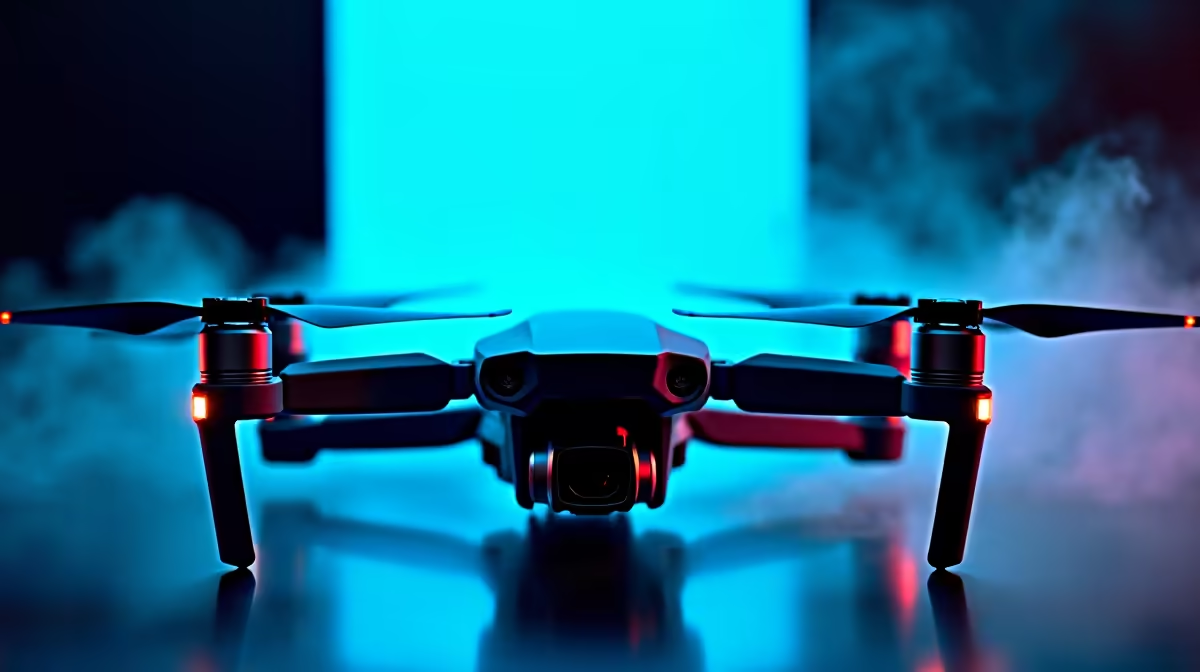
A first drone should be easy to fly, hard to crash, and light enough to keep the paperwork minimal. For South African newcomers, that points straight at the sub-250g class, where the best beginner drones pair genuinely helpful flight aids with the lightest set of regulatory obligations. The DJI Mini 4 Pro sits at the top of that list for good reason.
Quick Answer
The best beginner drones in South Africa are sub-250g models like the DJI Mini 4 Pro, because they combine obstacle avoidance, Return-to-Home, and 4K/60 video in a lightweight frame that carries the lightest recreational obligations under SACAA Part 101. For new pilots that means fewer hurdles to flying legally and far less risk of an expensive first crash.
Why sub-250g is the beginner sweet spot
Weight is the dividing line that shapes both the rules and the experience. Drones under 250g sit in the lightest category under South Africa's SACAA Part 101 framework for recreational flying, which keeps the obligations on a casual hobby flyer to a minimum compared with heavier aircraft. For a beginner, starting in this class means you can get flying without the heavier requirements that come with larger drones.
The lighter weight also makes these drones friendlier in the air. They are easier to handle in gusty conditions for a first-timer learning the sticks, and a sub-250g aircraft does far less damage (to itself and anything it hits) if you misjudge a landing. The combination of lighter rules and lower crash risk is exactly what a learning pilot wants.
The features that actually help beginners
Marketing lists a hundred features; only a few genuinely matter when you are learning. These three do the heavy lifting:
Obstacle avoidance
Sensors that detect and react to obstacles are the feature that saves a beginner's drone most often. As you learn spatial awareness through a camera feed, the drone catching a tree or wall before you do prevents the most common early crashes. The DJI Mini 4 Pro carries omnidirectional sensing, which is a real safety net for new pilots.
Return-to-Home (RTH)
Return-to-Home lets the drone fly itself back to its take-off point at the press of a button, or automatically if it loses signal or runs low on battery. For a beginner, that is enormous peace of mind: lose orientation or panic, and RTH brings the aircraft home rather than leaving you to recover it manually. It turns "I have lost track of my drone" from a disaster into a non-event.
Stable, quality video
A good camera is not just about footage; stable imaging makes the drone easier to fly because the live feed is clear and steady. The Mini 4 Pro's 4K/60 capability means your first aerial clips look genuinely good, which keeps the hobby rewarding from day one rather than leaving you with shaky, disappointing video.
Top beginner pick: DJI Mini 4 Pro
The DJI Mini 4 Pro earns the top spot because it brings the full beginner toolkit into the sub-250g class: omnidirectional obstacle sensing, reliable Return-to-Home, and 4K/60 video, all in a frame light enough for the lightest recreational obligations. It is the rare drone that is forgiving for a first-timer yet capable enough that you will not outgrow it in a month.
Who it suits
It suits the new pilot who wants one drone to learn on and keep, the traveller who values a foldable, packable aircraft, and the content creator who wants usable aerial footage without stepping up to a heavier, more regulated machine. If you can only buy one drone to start, this is the safe, capable choice.
What else to look for in a starter drone
Beyond the headline model, a few practical points shape a good first purchase:
- Flight time and spare batteries. A single battery gives you a short window in the air. Budget for at least one or two spares so a session is not over in one charge.
- Controller and range. A reliable controller with solid range keeps the link stable, which matters when you are learning and rely on RTH as a backstop.
- Portability. A foldable design that fits in a small bag means the drone actually comes with you, which is how you log the practice hours that make you a better pilot.
You can compare the current beginner-friendly drones and their accessories on the smart home and drones range at Evetech, and to round out a kit with spare batteries, cases, and propellers, the accessories best sellers cover the extras most new pilots add.
Building good habits from your first flights
The drone you buy matters less than how you learn to fly it. A few habits separate pilots who keep their drones from those who lose them in the first month:
Start in open space
Your first flights should be in a wide, open field well away from trees, power lines, water, and people. Open space gives you room to make mistakes safely while you learn how the drone responds to the sticks and how it behaves in wind. Cramped flying is where beginners crash.
Learn orientation before chasing footage
The single hardest skill early on is keeping track of which way the drone is facing, because the controls reverse from your point of view when it flies toward you. Practise simple movements and turns until orientation feels natural before you start hunting for cinematic shots. Rushing to film is how new pilots fly into things.
Respect the battery warning
Sub-250g drones have short flight times, and the temptation to squeeze one more pass out of a low battery ends in a forced landing or a lost drone. Bring it home with charge to spare, and lean on Return-to-Home as the backstop it is meant to be rather than the plan.
A quick word on SA rules
Even in the lightest sub-250g class, recreational flying in South Africa sits under the SACAA Part 101 framework, so fly responsibly: keep the drone in sight, stay clear of airports and restricted airspace, respect people's privacy, and do not fly over crowds. The lighter category keeps obligations minimal, but it does not mean no rules. Flying sensibly keeps the hobby open and keeps you out of trouble.
Frequently Asked Questions
What is the best beginner drone in South Africa?
The DJI Mini 4 Pro is the standout beginner pick. It combines obstacle avoidance, Return-to-Home, and 4K/60 video in a sub-250g frame, which makes it forgiving to fly and keeps regulatory obligations light under SACAA Part 101.
Why are sub-250g drones recommended for beginners?
They sit in the lightest category under SACAA Part 101, which keeps recreational obligations minimal, and their low weight makes them easier to handle and less damaging in a crash. That combination is ideal while you are learning to fly.
What features matter most for a first drone?
Obstacle avoidance, Return-to-Home, and stable video are the three that genuinely help beginners. Obstacle sensing prevents common crashes, RTH brings the drone home safely, and clear video makes the drone easier and more rewarding to fly.
Do I still need to follow rules with a sub-250g drone in SA?
Yes. Even light drones fall under the SACAA Part 101 framework for recreational flying. Keep the drone in sight, avoid airports and restricted airspace, respect privacy, and do not fly over crowds. The lighter class has fewer obligations, not none.
How many batteries should a beginner buy?
Plan for at least one or two spares beyond the included battery. A single charge gives only a short flight window, and extra batteries let you keep practising, which is how new pilots build the skill that prevents crashes.