Quick Answer
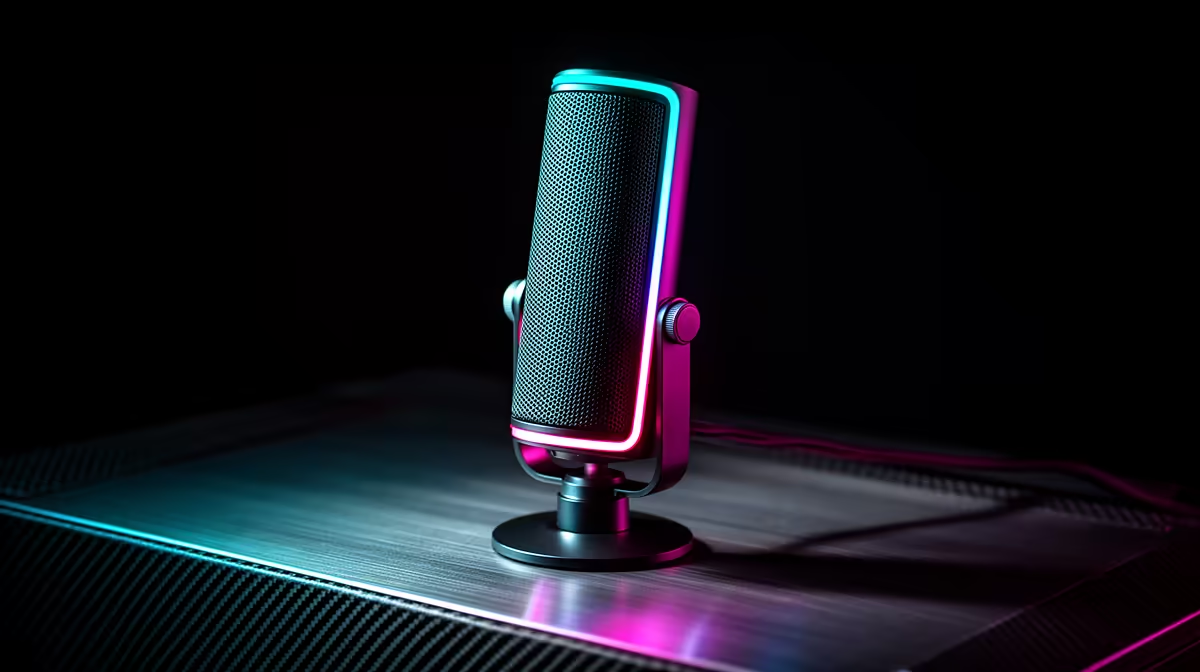
For Deadlock, the best microphone for SA players is a simple cardioid USB mic in the R700-R2,500 band, not a studio chain. A HyperX SoloCast, Razer Seiren Mini, Logitech G Yeti GX or Fifine AM8 gives cleaner Discord voice than most headset mics while keeping setup easy. Prioritise push-to-talk clarity and low keyboard bleed, a stable desk stand, and 16-bit/48kHz capture before paying for RGB or broadcast extras.
What Matters For Game Comms
A competitive mic must make callouts short, clear and easy to place. Cardioid pickup helps reject keyboard noise, while a close speaking distance of 10-15cm keeps the voice stronger than room echo. If the player is also targeting 144Hz or 240Hz gameplay, the mic should not steal desk space from a full mouse sweep or block the monitor line.
SA Price Bands To Use
Budget USB mics around R700-R1,200 are enough for Discord squads and party chat. The R1,500-R2,500 band usually buys better shock control, gain handling and mute controls. Above R3,000, the improvement is only worthwhile for streaming, recording or a very noisy room; for most Evetech buyers the saved money is better used on a better headset, mousepad or fibre cable.
Setup Checks Before You Buy
Use a boom arm or heavy stand if the desk shakes during matches. Set Windows input around 70-85%, enable Discord noise suppression only if the room needs it, and test one normal match before changing filters. On Openserve, Vumatel or Frogfoot fibre, a wired Ethernet link matters more for voice stability than the microphone model.
FAQ
Is a USB microphone better than a headset mic for Deadlock?
Yes, if the desk setup is stable. A R1,200-R2,000 USB mic usually gives fuller voice and less harshness than a bundled headset boom, but it needs correct distance and gain.
Do I need an XLR microphone for competitive gaming?
No. XLR is useful for creators, but it adds an audio interface, cables and more settings. A cardioid USB mic at 16-bit/48kHz is the practical choice for most SA gaming desks.
Which microphone spec should I check first?
Check pickup pattern, mute control and mounting before headline frequency numbers. For noisy keyboards, a cardioid mic close to the mouth beats an expensive condenser sitting far away.
Audio Check
Record 20 seconds of normal callouts, then listen for keyboard clicks and room echo before changing mic gain or buying a pricier model.