



Marvel Rivals launch in South Africa
Marvel Rivals launch needs a balanced parts plan, not a random basket. Map the CPU, GPU, RAM, SSD, cooling, and monitor target to the budget so SA builders know where to spend first.
Read moreBest microphone for League of Legends in SA in 2026 gets a cautious, practical look for South African readers. Compare fit, setup needs, compatibility, and upgrade timing before you shortlist options or plan your next move.
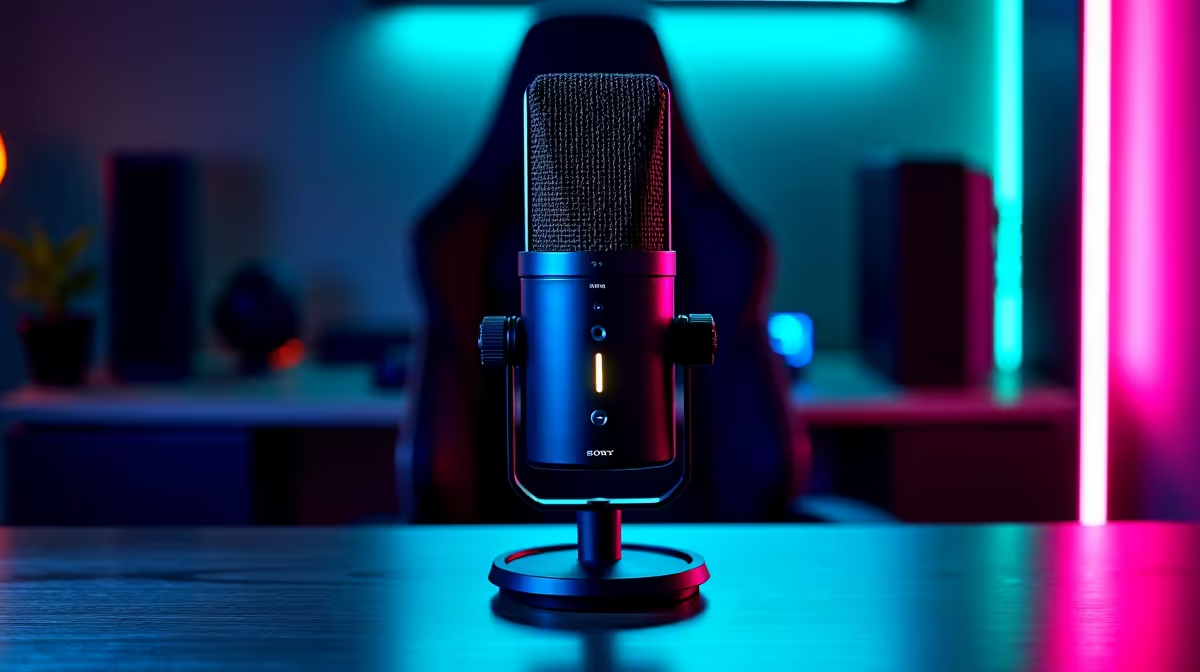
The best microphone for League of Legends in SA is a USB cardioid mic around R1,500-R2,500, such as a HyperX QuadCast S, which delivers clear team comms and rejects background noise for fast shotcalling. A cardioid pattern, a boom arm and a pop filter matter more than headline specs, and the mic plugs into any League-capable PC, which is very modest.
League of Legends is light on hardware but heavy on coordination, so clear voice comms for shotcalling and pings make a real difference in ranked. A cardioid USB mic that focuses on your voice and rejects fan and keyboard noise is ideal. The QuadCast S (around R2,500) adds onboard gain and tap-to-mute, while entry cardioid mics around R1,500 sound clean for team chat.
League runs at high frame rates on almost any modern PC, including an entry R10,000 build, so you do not need a powerful rig to play it well. That means the mic and your network are where comms quality comes from. A wired Ethernet link keeps ping low and stable for clean voice and gameplay in ranked matches.
Mount the mic on a boom arm with a pop filter, position it 10-15cm from your mouth and slightly off-axis, and set the gain so your voice peaks without clipping. Enable noise suppression in your comms software for a clean signal during intense team fights.
A cardioid USB mic like the HyperX QuadCast S around R2,500 gives clear shotcalling and noise rejection. Entry cardioid mics around R1,500 also work well for team comms.
No. League runs at high frame rates on almost any modern PC, including an entry build. The mic and a stable connection matter more for comms than GPU power.
Place it 10-15cm from your mouth, slightly off-axis, on a boom arm with a pop filter. This captures clear voice and removes plosives during team fights.
shotcalling, a cardioid USB mic on a boom arm 10-15cm off-axis gives clearer comms than a headset mic; placement beats chasing specs.
Marvel Rivals launch needs a balanced parts plan, not a random basket. Map the CPU, GPU, RAM, SSD, cooling, and monitor target to the budget so SA builders know where to spend first.
Read more
Path of Exile 2 launch needs a balanced parts plan, not a random basket. Map the CPU, GPU, RAM, SSD, cooling, and monitor target to the budget so SA builders know where to spend first.
Read more
Black Myth Wukong launch needs a balanced parts plan, not a random basket. Map the CPU, GPU, RAM, SSD, cooling, and monitor target to the budget so SA builders know where to spend first.
Read more
Hollow Knight PC requirements should be mapped to resolution, settings and upgrade budget before choosing a tier. Verify current requirements, then balance GPU, CPU, RAM and SSD around SA pricing.
Read more
Hollow Knight build planning should focus on the target resolution, settings and total system balance. Treat launch wording as time-sensitive, then verify requirements before choosing SA PC parts.
Read more
Fallout 4 PC requirements should be mapped to resolution, settings and upgrade budget before choosing a tier. Verify current requirements, then balance GPU, CPU, RAM and SSD around SA pricing.
Read more
Best Value Laptops South Africa 2026 — Find top picks, local prices and buy tips to maximise performance per rand. Compare deals for students, creators and gamers. 🔎💸
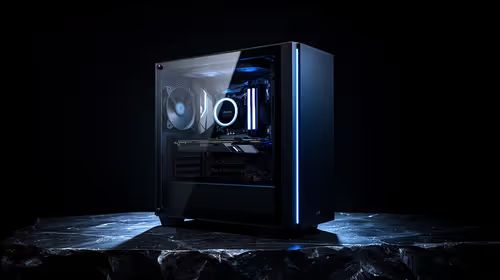
Struggling with a weak Desktop PC Wi-Fi signal? 📶 Discover expert tips on positioning your tower and external antennas to eliminate lag and maximize your internet speeds for gaming and streaming. 🚀
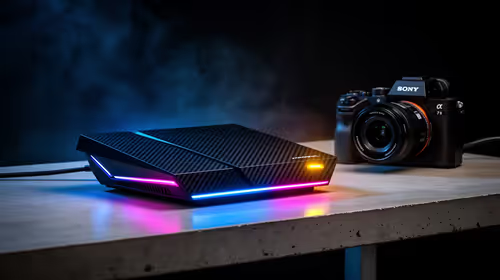
Tired of loadshedding router restarts killing your Wi-Fi? ⚡ Discover why power cuts disrupt your connection and learn expert tips to get back online faster after the lights return. 🌐
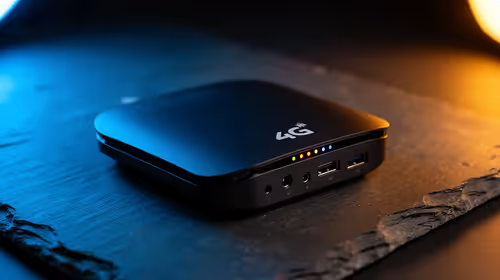
Master using a Nano SIM 4G router as your primary internet solution. Get stable speeds and seamless connectivity for gaming and streaming at home! 🌐🚀
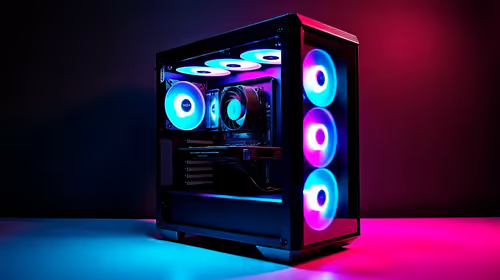
Gauteng r30 000 needs practical checks before you choose. Compare fit, workload, support, setup needs, timing, and delivery expectations without relying on live availability or fixed 2026 claims.
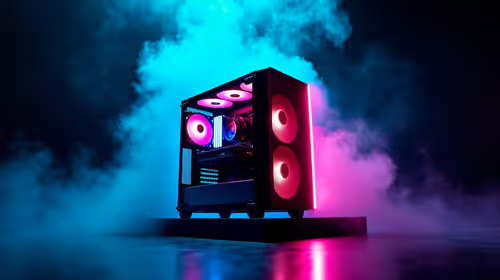
Gauteng r40 000 needs practical checks before you choose. Compare fit, workload, support, setup needs, timing, and delivery expectations without relying on live availability or fixed 2026 claims.
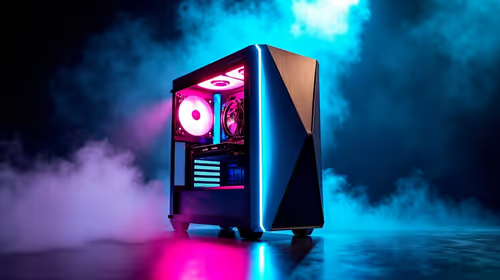
Gauteng r50 000 needs practical checks before you choose. Compare fit, workload, support, setup needs, timing, and delivery expectations without relying on live availability or fixed 2026 claims.
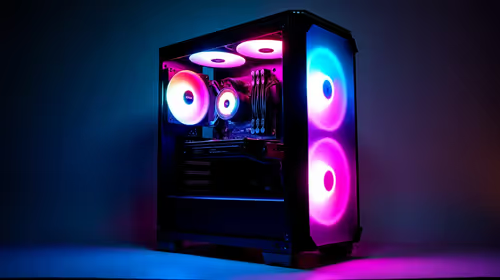
Gauteng r60 000 needs practical checks before you choose. Compare fit, workload, support, setup needs, timing, and delivery expectations without relying on live availability or fixed 2026 claims.
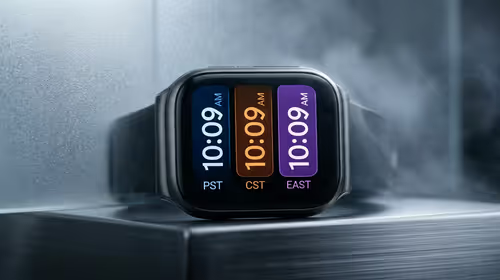
Three-tier smart watch plan for commuting should be shortlisted around the job it must do. South African buyers should compare fit, performance, compatibility, and upgrade room, warranty path, and upgrade room before treating any pick as best.
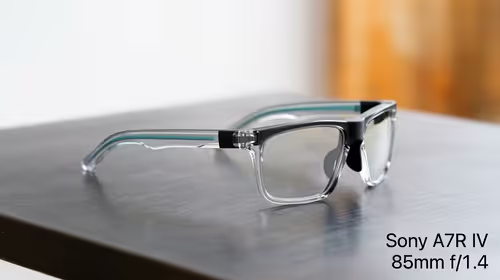
AR Glasses buying order for commuting students should be shortlisted around the job it must do. South African buyers should compare fit, performance, compatibility, and upgrade room, warranty path, and upgrade room before treating any pick as best.
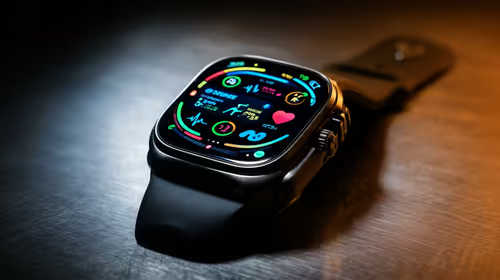
Smart Watch buying order for commuting should be shortlisted around the job it must do. South African buyers should compare fit, performance, compatibility, and upgrade room, warranty path, and upgrade room before treating any pick as best.
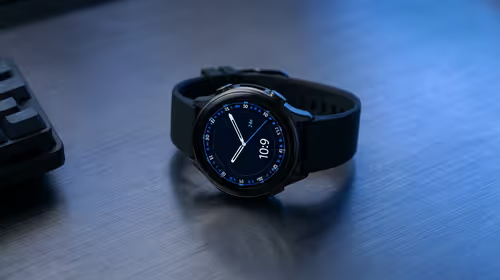
Smart Watch buying order for quiet PC builds needs a balanced parts plan, not a random basket. Map the CPU, GPU, RAM, SSD, cooling, and monitor target to the budget so SA builders know where to spend first.