

RTX 4060 Ti Throttling Under Load: SA Temperature Guide
RTX 4060 Ti Throttling Under Load: Temperature. Everything you need to know with SA pricing, step-by-step instructions & expert recommendations.
Read moreDiscover mini PCs that support Linux! 🐧 Optimize your coding setup with powerful, compact machines. 💻 Find the perfect fit →
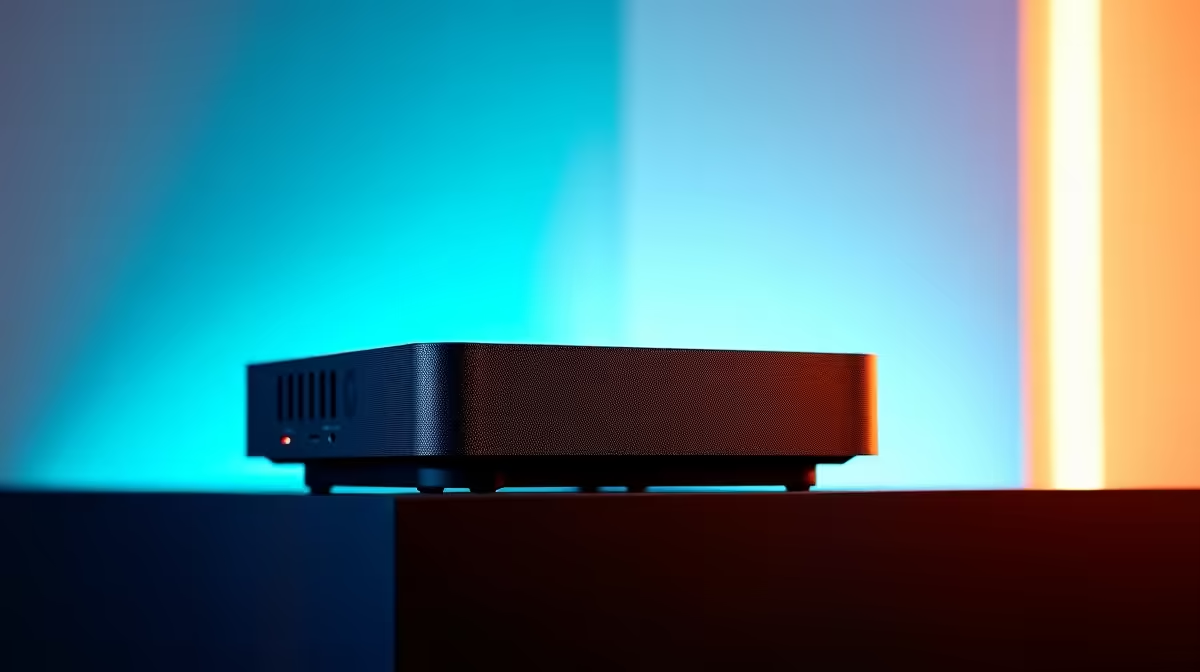
Tired of bulky towers cluttering your desk? Or maybe you're a Linux developer on the move, needing a powerful yet discreet workstation? South Africa's tech scene is booming, and you need a setup that keeps pace without breaking the bank or your back. Imagine coding, compiling, and deploying with absolute efficiency from a machine that fits in the palm of your hand. That's the magic of the best mini PCs for Linux developers. Let's dive in.
For years, the go-to for serious development was a hulking desktop. Not anymore. Mini PCs have dramatically evolved, offering incredible performance in a tiny footprint. For Linux developers, this means a clutter-free desk, reduced power consumption, and often, whisper-quiet operation. Whether you're a student, a freelance coder, or part of a bustling dev team, a small form factor PC running your favourite Linux distro offers unparalleled flexibility and power efficiency.
Think about it: more space for your multiple monitors, a cleaner workspace, and the ability to easily move your entire workstation if needed. These machines are not just about saving space; they're about optimising your development environment for peak productivity. Curious about the options? You can explore the full range of high-performance mini PCs available right here in South Africa.
Choosing the right mini PC for Linux development means looking beyond just size. You need a powerhouse that can handle your demanding workloads, from compiling large projects to running multiple virtual machines or Docker containers.
For most developers, an Intel Core i5/i7 (11th Gen or newer) or an AMD Ryzen 5/7 (5000 series or newer) is the sweet spot. Look for processors with at least 6 cores and strong single-thread performance. These ensure your IDEs, compilers, and browsers all run smoothly, without a hitch.
Aim for a minimum of 16GB DDR4 RAM. If your work involves virtualisation, large datasets, or memory-intensive applications, 32GB or even 64GB will be a worthwhile investment. Many mini PCs allow for easy RAM upgrades, so check for available slots.
An NVMe SSD is non-negotiable. It vastly improves boot times, application loading, and file transfers. A 500GB NVMe is a good starting point, but consider 1TB or more if you handle extensive project files or multiple Linux distros. Some mini PCs offer additional 2.5-inch drive bays for secondary storage, which can be handy for backups or less frequently accessed data.
Before you buy, do a quick search for your chosen mini PC model (or its core components) and "Linux compatibility". Reputable brands often have excellent out-of-the-box support, but it's always good to double-check driver availability for Wi-Fi, Bluetooth, and integrated graphics.
A good selection of ports is crucial. Look for multiple USB-A (3.0+), USB-C (preferably with Thunderbolt support for external GPUs or high-speed peripherals), HDMI/DisplayPort for dual-monitor setups, and a reliable Gigabit Ethernet port. Some premium small form factor machines even offer 2.5GbE for super-fast network transfers. For developers who appreciate specific brands known for their Linux-friendly hardware, Minisforum offers excellent mini PCs that often fit the bill perfectly.
While specific models rotate, brands like Intel NUC, Minisforum, and certain ASUS or Gigabyte BRIX units consistently deliver. When scouting for the best mini PCs for Linux developers, look for:
Remember, the "best" choice depends on your specific coding needs. Whether you're compiling kernels, running machine learning models, or simply building web applications, there's a mini PC that can handle it. Discover more powerful small form factor machines to elevate your coding experience.
Once you have your ideal mini PC, setting up your Linux development environment is the next exciting step. Most modern mini PCs support a wide range of Linux distributions without a hitch. Ubuntu, Fedora, Debian, and Arch Linux are popular choices among developers for their vast package repositories and strong community support.
Consider using a lightweight desktop environment like XFCE or MATE if you want to conserve resources, though powerful mini PCs can easily handle GNOME or KDE Plasma. Tools like Docker, Vagrant, and various virtualisation solutions (KVM, VirtualBox) run exceptionally well, allowing you to create isolated development environments without resource bottlenecks. It's all about tailoring your setup to maximise your coding efficiency and enjoyment.
Choosing Evetech for your next Linux development mini PC means more than just a purchase; it's an investment in local support and reliable hardware. We understand the unique needs of South African tech enthusiasts and professionals. Our curated selection of mini PCs is designed to offer performance, reliability, and value, backed by expert advice and solid after-sales service. We ensure you get a machine that won't just run Linux, but truly sings with it.
Upgrade Your Dev Rig Today! Don't let a bulky, underperforming machine hold back your potential. Discover the perfect mini PC for your Linux development needs and elevate your coding experience. Shop now at Evetech for performance that leaves lag in the dust.
Top options include Gigabyte Brix, Intel NUC, and ASUS PN series. All support Linux.
Yes! Many models offer swift performance with Linux OS compatibility.
Ubuntu runs effortlessly on Linux-ready mini PCs. Ideal for developers 👨💻
No, only Linux-compatible models work. Verify specs before purchase.
Use a USB drive to boot and install Linux. Check BIOS settings first.
The Intel NUC Extreme is one of the tiniest options available.
Yes! They provide powerful, compact solutions for coding and software dev.
Absolutely! Ubuntu works great on Linux-supportive mini PCs.
RTX 4060 Ti Throttling Under Load: Temperature. Everything you need to know with SA pricing, step-by-step instructions & expert recommendations.
Read more
Apex Legends Max Settings on RTX 4080. Tested & verified settings for best FPS and visual quality on SA hardware budgets.
Read more
GPU Buying Guide. Everything you need to know with SA pricing, step-by-step instructions & expert recommendations.
Read more
GPU Terms Guide. Everything you need to know with SA pricing, step-by-step instructions & expert recommendations.
Read more
AMD Adrenalin Download & Setup Guide: GPU. Clear setup instructions with SA-specific considerations, troubleshooting tips & recommended components.
Read more
Back-to-School GPU Buying Guide. Everything you need to know with SA pricing, step-by-step instructions & expert recommendations.
Read more
Snapdragon X2 NPU Explained: How 80 TOPS Changes. Plain-English explanation of what it means, why it matters & how it affects your buying decisions in SA.
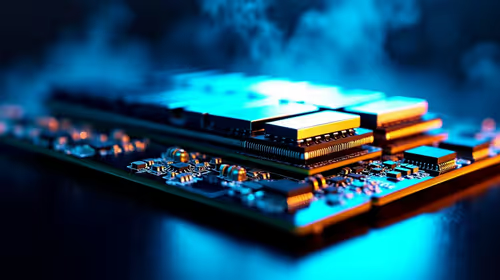
HBM? High Bandwidth Memory Used in GPUs and AI. Plain-English explanation of what it means, why it matters & how it affects your buying decisions in SA.
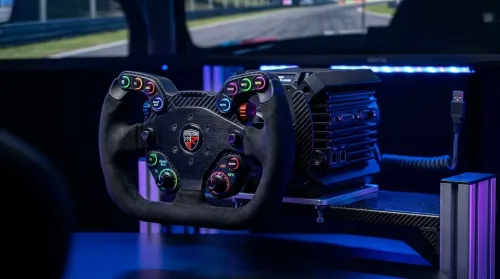
How much should you spend on sim racing accessories in South Africa for a realistic setup? We break down budgets by quality tiers, so you buy smart gear and avoid overspending 🎮💸

G-Sync and FreeSync? Variable Refresh Rate. Plain-English explanation of what it means, why it matters & how it affects your buying decisions in SA.
AMD Laptop: Value. SA-focused analysis with local pricing data, real-world insights & actionable buying advice.
How MacBook Neo Handles 30+ Chrome Tabs with Only. SA-focused analysis with local pricing data, real-world insights & actionable buying advice.

Why Apple Put 8GB RAM in MacBook Neo: The A18 Pro. SA-focused analysis with local pricing data, real-world insights & actionable buying advice.
Upgrade your work laptop with a New Motherboard. Step-by-step instructions with SA-specific tips, common pitfalls to avoid & expert recommendations.
Maintain wired headset — Checklist: • inspect cables • clean earpads • store properly 🔧🎧 Practical steps to preserve sound quality and avoid premature replacements.
Fix crackling headset fast: step-by-step checks for cables, connectors, drivers, and settings to remove static or distorted audio on wired headsets 🎧⚙️
Stereo vs mono headsets: learn which delivers clearer calls, better spatial music, or simpler mono voice performance — pick the right headset for meetings, music, or gaming 🎧💬
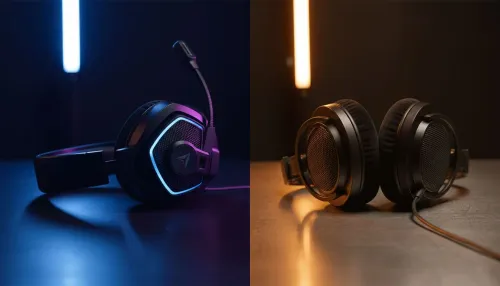
- Compare gaming headset vs studio headphones; - Assess comfort, mic and sound; - Recommend best daily picks. Gaming headset vs studio headphones: learn which suits work, music and casual gaming. 🎧⚖️