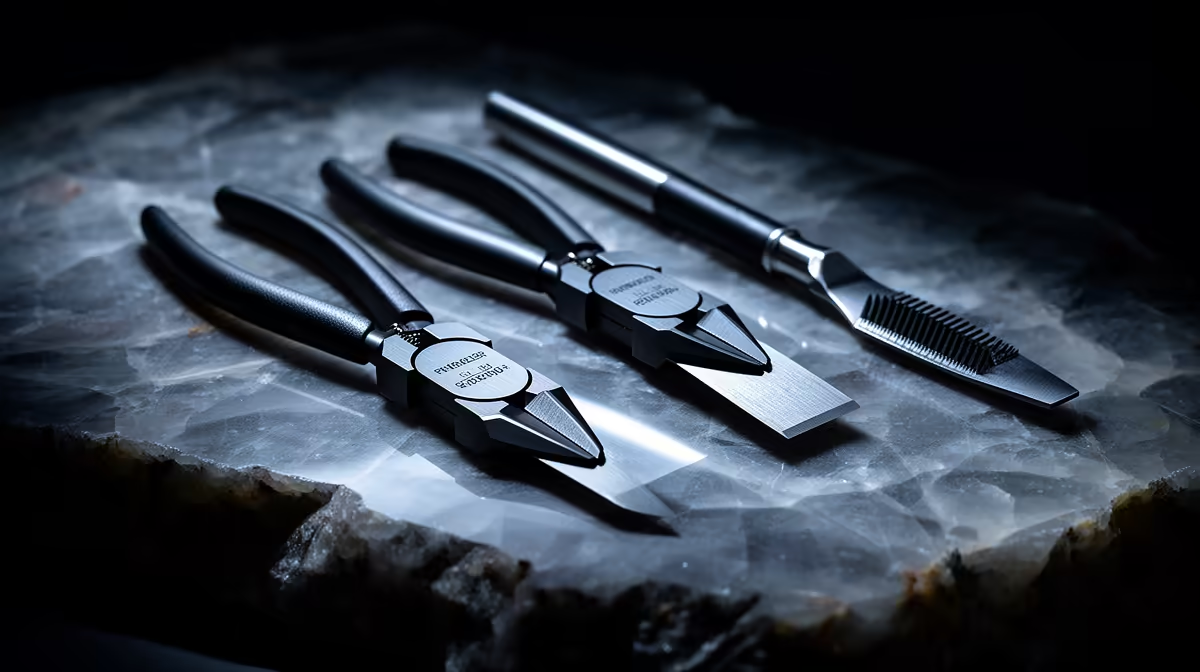
A model pulled off the bed with thumbnails and a butter knife is a model with a gouged build plate and a scarred first layer. Print removal and finishing tools exist to stop exactly that. The job splits into three distinct actions: lifting the print without damaging it or the surface under it, cutting away support material flush against the part, and shaving the leftover seams and burrs until the piece feels finished rather than fresh off a printer.
Quick Answer
A complete finishing kit for under R600 covers three tools: a thin sprung-steel scraper to lift prints, flush cutters to snip supports clean against the wall, and a deburring tool with a swivel blade to shave seams and clean hole edges. Buy those three first and add files and tweezers only when a specific print demands them.
The three tools that actually matter
Most "74-piece" 3D printing tool kits pad the count with items you touch once a year. The three that earn permanent desk space are the scraper, the flush cutter, and the deburrer, because each handles a stage no other tool does well.
A scraper is a thin, slightly flexible steel blade you slide under a cooled print at a low angle. The flex matters: too stiff and it skips over the part and digs into the bed surface, too soft and it folds before it lifts anything. On a flexible build plate you often flex the sheet first and finish with the scraper only on stubborn corners.
Flush cutters differ from ordinary side cutters in one way that changes the result. One jaw is ground flat, so the blade can sit hard against the model and cut support material level with the surface rather than leaving a raised nub. That single design choice is the difference between a support scar you have to sand and one you barely see.
A deburring tool is a handle holding a curved swivel blade. Dragged around a hole edge or along a layer seam, it peels a fine ribbon of plastic away and leaves a clean chamfer. It is also what turns a too-tight printed hole into one a screw or rod actually fits through. You can browse the broader 3D printing hardware range at Evetech when you are matching tools to a specific printer.
Why a hobby knife is not enough
Plenty of new owners try to do all three jobs with a craft knife. It half-works and teaches bad habits. A blade angled to slice a support is angled to slip into a fingertip, and PLA support snipped under tension with a knife tends to tear a divot out of the wall instead of parting cleanly. Flush cutters remove the tension by shearing, and the deburrer removes the cleanup by shaving rather than slicing. The knife stays in the kit for trimming stringing and lifting brims, not as the main remover.
Materials change which tool leads
PLA is brittle and snaps, so supports often break away by hand and the cutters only tidy the contact points. PETG is stringy and tougher, so flush cutters do more of the work and the deburrer earns its keep on the rougher seams PETG leaves. ABS and ASA sand and vapour-smooth well, so for those a file or sanding stick joins the rotation after the deburrer has knocked the worst off. Match the tool effort to the material rather than reaching for the same routine every time.
When tweezers and needle files earn their place
The big three handle around 80 percent of finishing work, but two extra tools round out the kit for detailed prints. Fine-point tweezers are the only practical way to pull support material out of narrow recesses, threaded passages and hollow models where no cutter jaw can fit. Without them, that material usually stays, or you break the part trying to fish it out.
A set of needle files (half-round, round, and flat profiles) covers the remaining percent: flat files level a support scar that flush cutters left slightly proud, round files open a hole that printed a fraction too small, and half-round files clean up curved contact areas. The investment is small, the weight in a parts drawer is minimal, and they last years. Working through a needle file on a stubborn support mark rather than sanding blind with a coarse sheet saves surface detail that would otherwise disappear.
Building the kit in order
Start with the scraper and cutters, since you cannot finish a part you cannot safely remove. Add the deburrer next, because clean holes and chamfered edges are what make a print look bought rather than made. Tweezers come third for recessed supports, and a needle file set rounds it out for surfaces that need filing rather than shaving. The rest of a mega-kit is optional.
If you would rather buy a curated bundle than assemble piece by piece, the accessories best sellers at Evetech carry a current shortlist of what other makers keep coming back for.
Frequently Asked Questions
What is the single most useful finishing tool to buy first?
Flush cutters. They handle the messiest stage, support removal, more cleanly than anything else and prevent the wall damage that hand-snapping causes. A scraper is a close second because you need it to get the part off the bed in the first place.
Why use flush cutters instead of normal side cutters?
Flush cutters have one flat-ground jaw, so they sit flush against the model and shear supports level with the surface. Standard cutters leave a raised nub you then have to sand or shave off, which adds a step and risks a flat spot.
Do I need a deburring tool if I already sand my prints?
Yes, for holes and edges. A deburrer chamfers a hole edge and cleans a seam in one pass without rounding off detail the way coarse sanding can. It is faster and more controlled than sandpaper for those specific jobs.
Will a metal scraper damage my build plate?
Only if you use it wrong. Keep the blade at a low angle and lead with the print edge, not the plate. On flexible PEI or spring-steel sheets, flex the sheet to release most prints and reserve the scraper for stubborn corners.
Are expensive finishing tools worth it over cheap ones?
For cutters, yes. A precise flush grind and durable jaws make a visible difference and cheap cutters dull quickly. Scrapers and deburrers are less fussy, so a mid-priced version is usually fine there.
A clean finish starts with the right three tools, not a drawer full of gadgets. See current scrapers, flush cutters and deburrers in the 3D printing range at Evetech and build a kit that matches your printer and materials.