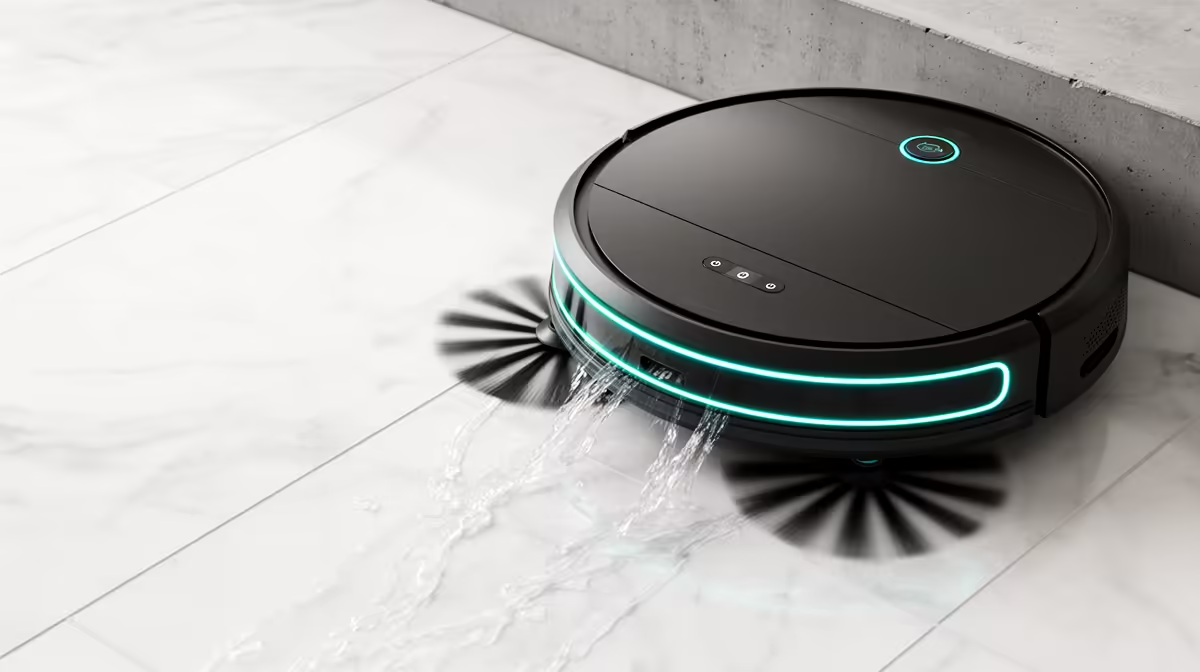
Most South African homes are built around large tiled living areas, and tile is exactly where a plain vacuum gives up. It lifts loose dust but leaves the dried-on scuffs, paw smudges, and spilt-juice halos that only a wet pass removes. A robot vacuum-mop combo closes that gap by adding heated mop washing and real scrubbing pressure to the same machine, which is why for hard-floor homes it earns its place far more convincingly than a vacuum-only robot.
Quick Answer
For tiled and hard-floor homes, a robot vacuum-mop combo is the stronger buy because it both lifts debris and scrubs stuck-on marks in one run. Look for heated mop washing, decent downward scrubbing pressure, and a self-wash dock, since SA homes typically have large tiled areas that a vacuum alone cannot keep genuinely clean.
Why a Mop Combo Beats Vacuum-Only on Tile
A vacuum-only robot is built for carpet, where suction does most of the work. On tile, the dirt that actually shows is different: footprint smears, dried spills, and the thin grimy film that builds up in high-traffic paths. None of that lifts with airflow alone. A mop pass with water and pressure is what removes it.
The better combos do not just drag a damp cloth around. They apply measurable downward pressure and, on the stronger models, heat the water to loosen grease and sticky residue. That is the difference between a floor that looks wiped and a floor that is genuinely clean. You can see the current spread of capable units in the smart home and appliances range at Evetech.
The Features That Actually Matter
Not every combo is worth the money, so it helps to know which specs move the needle on hard floors.
Scrubbing Pressure and Heated Washing
Downward pressure is what lets the pad bite into a dried mark instead of skating over it. Heated mop washing takes it further by softening grease and food residue before the pad reaches them. On a kitchen and open-plan tiled lounge, those two features do most of the visible work.
Self-Wash and Auto-Empty Docks
The least pleasant part of any mopping robot is dealing with the dirty pad. A dock that washes the mop pads automatically, and ideally dries them to stop odour, removes that chore. Pair that with an auto-empty bin for the vacuum side and the machine can run for days with almost no hands-on upkeep, which is the whole point of automating the job.
Navigation and Carpet Handling
Good mapping keeps the robot from missing strips of floor or bumping endlessly off the same chair leg. Useful too is the ability to lift or avoid the mop on any rugs you do have, so you are not soaking a carpet while cleaning the surrounding tile. In a mixed home, that selectivity matters as much as raw cleaning power.
Matching a Combo to an SA Home
The typical local layout, an open tiled living and kitchen zone with a few rugs and maybe carpeted bedrooms, plays directly to a combo's strengths. The large hard-floor footprint is precisely where mopping adds value, and rug avoidance handles the soft-floor patches. A larger water tank also helps when you are mopping a big open-plan area in one go, so it is not constantly returning to refill.
Pets push the case further. Tracked-in dust, the odd accident, and general traffic film all respond far better to a vacuum-and-mop pass than to suction alone. Stocking a few spare pads and filters from the accessories best-sellers shelf keeps performance consistent rather than letting a worn pad quietly drop the cleaning quality over time.
Understanding the Dock and Running Costs
The dock is where a lot of the real value of a modern combo lives, and it is worth understanding before you spend. A basic dock just charges the robot. A full-service dock washes the mop pads, refills the robot's onboard water tank from a clean-water reservoir, drains the dirty water, empties the dust bin, and on the better units dries the pads so they do not sour between cleans. The more of that the dock automates, the less the machine asks of you week to week.
Water Tanks and Top-Up Routines
Two-reservoir docks, one for clean water and one for dirty, are what let the robot mop a large tiled area without you carrying a bucket around. The bigger those tanks, the longer it runs between your interventions, which suits the open-plan layouts common in SA homes. If a model only carries water on the robot itself with no clean-water reservoir in the dock, expect to refill it more often on a large floor.
Consumables to Budget For
A mopping robot has parts that wear: mop pads, the main brush, side brushes, and filters all need occasional replacement to keep cleaning quality up. None of this is expensive, but it is real, so factor it in rather than treating the robot as a one-off purchase. Keeping a small stock of pads and filters on hand means a tired pad never quietly drags down performance between replacements.
Where a Vacuum-Only Robot Still Makes Sense
If your home is mostly carpeted, a vacuum-only robot may serve you better and cost less, since the mopping hardware would rarely be used. The combo earns its premium specifically where hard floors dominate. Be honest about your floor mix before deciding: the right machine is the one matched to what you actually walk on, not the one with the longest feature list.
Frequently Asked Questions
Is a robot vacuum-mop combo worth it for a tiled home?
Yes. Tile shows scuffs and dried spills that suction cannot remove, and a combo adds the wet scrubbing pass that actually lifts them. For a home with large tiled areas, the mopping function is the part you will notice most.
What is the difference between heated and unheated mopping?
Heated mop washing warms the water to soften grease and sticky food residue before the pad reaches it, so it cleans stuck-on marks more effectively. Unheated mopping handles light dust and fresh spills but struggles with set-in grime.
Do I still need to do anything if it has a self-wash dock?
Very little day to day. A self-wash dock cleans and often dries the pads, and an auto-empty bin handles the vacuum side, so upkeep drops to refilling water, emptying the dock occasionally, and replacing worn pads and filters.
Will the mop ruin my carpets and rugs?
Not if you choose a model that detects soft floors and either lifts the mop or avoids those areas. In a mixed home, that carpet-handling ability is worth prioritising so the robot mops tile without soaking rugs.
Are these good for homes with pets?
They are a strong fit. The combination of suction for hair and dust plus a mopping pass for tracked-in film and the occasional accident keeps pet-heavy hard floors far cleaner than a vacuum-only robot manages.
Tired of mopping tiled floors by hand? Browse the robot vacuum-mop combos in the smart home and appliances range at Evetech and pick one matched to your floor layout.