Budget Desk and Chair: The R5K Comfort Pair for Gamers
Quick Answer
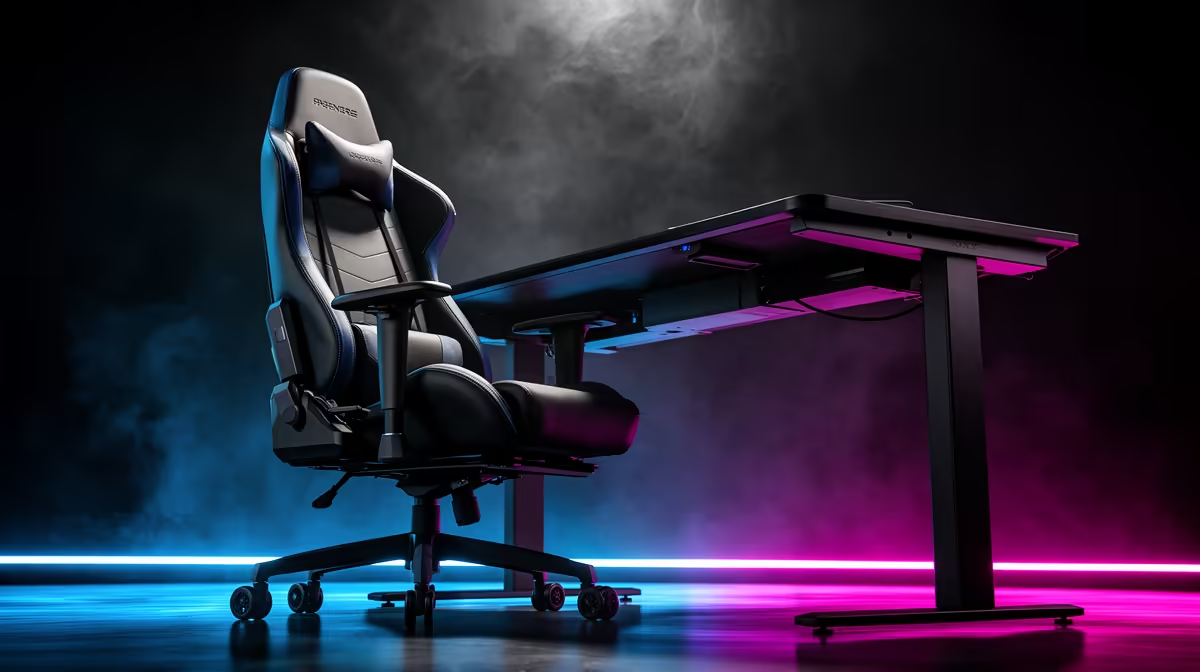
Use a R5,000 desk-and-chair budget to create a stable surface and an adjustable seat that fits your body. Protect desk depth, leg room, chair height and back support before paying for racing shapes, lighting or decorative trim.
Measure the person and room before shopping. A supportive chair that cannot slide under the desk, or a sturdy desk that puts the monitor too close, fails as a pair.
Measure the Room First
Mark the desk width and depth on the floor. Leave room for doors, drawers and a safe walking path.
Measure wall sockets and the network route. Power strips and cables should stay off the walking line and away from chair wheels.
Check how far the chair must move back for standing. A desk that fits the wall can still block the room once someone sits at it.
Measure the User
Sit with feet supported, knees comfortable and shoulders relaxed. Measure the seat height that allows that position.
Check seat depth. There should be room behind the knees without forcing the person to perch at the front. Backrest shape and lumbar contact should feel supportive without a hard pressure point.
Body dimensions vary. A chair labelled gaming or ergonomic cannot prove fit from the name.
Choose Chair Adjustments That Matter
Height adjustment is the first requirement. Backrest recline or tilt can allow position changes through a long session.
Armrests should support relaxed shoulders without preventing the chair from reaching the desk. Adjustable height can help, but a fixed low armrest may suit the measured setup.
Check the chair's stated user weight and dimensions. Inspect base stability, caster type and the floor surface. Use a suitable floor mat where needed.
Test the Chair for an Hour
Sit in the normal game posture, then type, use the mouse and lean back. Note pressure under the thighs, lower-back contact, shoulder position and heat.
Do not judge only from a five-minute showroom sit. Padding can compress and a head pillow can push the neck forward through time.
Change position and take regular movement breaks. If pain or numbness develops, stop and adjust the setup. Seek qualified health guidance for persistent symptoms.
Give the Desk Enough Depth
The monitor needs a suitable viewing distance and the keyboard and mouse need a full control area. A shallow desk can force the screen close and leave the forearm hanging over an edge.
Measure monitor base depth, keyboard width and mousepad size. Add room for speakers or a microphone stand only when they are part of the real setup.
A monitor arm can recover surface space when the desk supports its clamp and load. Include the arm and reinforcement cost in the R5K plan.
Rigidity Beats Cosmetic Features
Push the desk from the side and type on it. Wobble can shake the monitor and change mouse control.
Check frame construction, cross bracing and how the top attaches. An oversized thin top can flex under monitor arms or heavy PCs.
RGB strips, cup holders and headset hooks are easy to add. They do not rescue an unstable frame.
Decide Where the PC Lives
A tower on the floor can collect more dust and face spills or kicks. A tower on the desk uses width and adds weight.
Wherever it sits, keep intake and exhaust clear. Do not enclose the PC in a tight cabinet.
Check cable reach before choosing the position. Avoid pulling display or power connectors tight when the chair or desk moves.
Split the R5K With Fit First
Do not force a fixed half-and-half split. A sound existing table may let the chair take most of the cap. A usable chair can leave more for a deeper stable desk.
Browse peripheral best sellers for the equipment dimensions the desk must carry. Use gaming accessories to account for the pad, monitor base, cable route and mounts.
The approved pages provide setup context rather than a promise that every desk or chair falls under R5K. Confirm named live products, dimensions and totals on the purchase date.
Build a Pairing Sheet
Write chair minimum and maximum height, seat dimensions, armrest height and user rating. Beside it, write desk height, top dimensions, frame width and load guidance.
Check that the chair reaches the controls with shoulders relaxed and that its arms clear the desk. Check knee and foot room around braces and drawers.
Include delivery and assembly. A large boxed chair or desk may need two people and a safe route through doors and stairs.
Set Up the Monitor and Controls
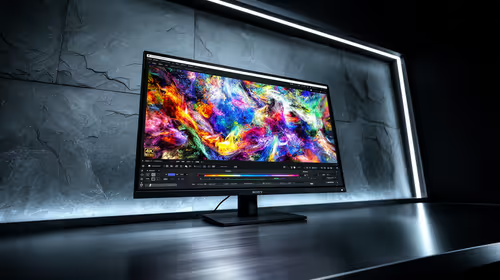
Place the main display near the centre, with the top around a comfortable eye line for the user. Adjust from comfort rather than one universal centimetre rule.
Keep keyboard and mouse close enough that elbows stay relaxed. Give a low-sensitivity mouse the full pad width.
Use speakers or a headset at safe levels. Keep a microphone arm from crossing the face or pulling the desk edge.
Cable for Movement
Create slack for chair movement, monitor adjustment and a height change where the desk allows it. Secure excess cable without crushing or sharply bending it.
Keep power and data connectors accessible for troubleshooting. Label each lead at the PC end.
Mount a power strip only when its design and the desk support safe attachment. Follow product electrical guidance and do not overload the outlet.
Review After a Week
Note where the body feels tired, where the desk moves and which cable catches. Adjust one item at a time.
The pair passes when the user can sit, reach, see and move without fighting the furniture. A different cushion or foot support may solve a small fit gap.
Keep receipts and assembly instructions. Retighten fasteners after the initial settling period when the maker advises it.
Record the final chair and monitor settings for later.
FAQ
Should the chair get more than the desk?
It should when the current desk is stable and deep enough. Split the R5K around the measured weak part.
Does a gaming chair guarantee support?
No. Fit comes from seat dimensions, adjustment, back contact and the person using it.
How deep should the desk be?
Deep enough for a comfortable monitor distance, controls and full mouse movement. Measure the actual equipment and room.
Measure the user, room, monitor and mouse area, then pair one stable desk with one fitting chair inside the complete R5,000 total.