Quick Answer
Buy a quiet-focused PC case now if your current case has poor airflow forcing loud fans, or a glass front trapping heat — a sound-dampened or well-ventilated case (~R1,200–R2,500 at Evetech) directly lowers noise for late-night gaming. Upgrade later if your case already runs cool and quiet. The case decision is about airflow and dampening, not looks; the right one lets fans spin slower and quieter.
Buy Now: When The Case Causes Noise
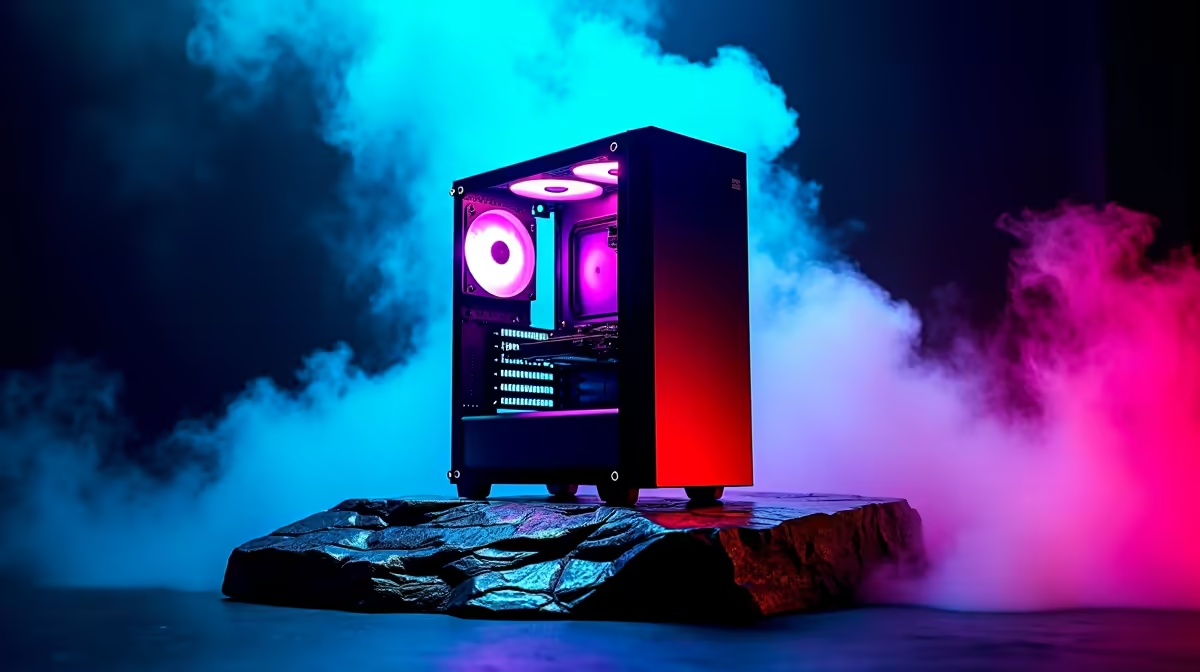
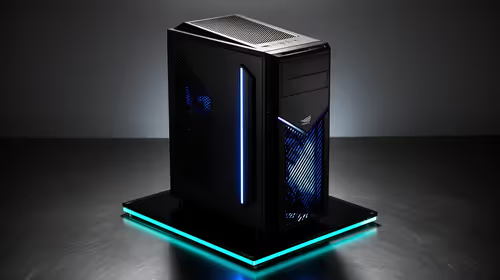
If your fans run loud because the case chokes airflow, or a sealed glass front traps GPU heat and forces high fan speeds, a new case pays off immediately. A mesh-front case drops GPU temps 4–8C, letting fans spin slower and quieter. A sound-dampened case with foam panels muffles remaining noise. For late-night play near others, that noise reduction is worth buying now.
Upgrade Later: When Your Case Is Fine
If your current case already has good airflow and your fans stay quiet under load, the case is not your noise problem — wait. Look instead at the CPU cooler (a larger one runs slower and quieter) or a fan curve tune. Spending on a new case when the old one performs gives little quiet benefit; save it for the component actually making noise.
Airflow Versus Dampening
Two case approaches reduce noise: high-airflow mesh cases let fans run slow (less noise at the source), while sound-dampened cases absorb noise (quieter despite slightly warmer temps). For most quiet builds, a high-airflow mesh case plus quality slow fans is the better balance. Heavy dampening suits very quiet rooms where you accept a few degrees more heat for silence.
FAQ
Should I buy a new case now for quieter gaming?
Yes, if your current case chokes airflow and forces loud fans, or a glass front traps heat. A mesh-front case drops GPU temps 4–8C so fans spin slower and quieter. If your case is already cool and quiet, wait.
Mesh airflow or sound dampening for a quiet case?
High-airflow mesh lets fans run slow, cutting noise at the source — the better balance for most builds. Sound-dampened cases absorb noise but run a few degrees warmer. Choose dampening only for very quiet rooms.
What else affects PC noise besides the case?
The CPU cooler and fan curve. A larger cooler runs slower and quieter, and a tuned fan curve avoids needless ramping. If your case already performs, those are where to look before replacing it.
fans come from a heat-trapping case, buy a mesh-front model now — it drops GPU temps 4–8C so fans spin slower; if your case already runs cool, upgrade the cooler instead.