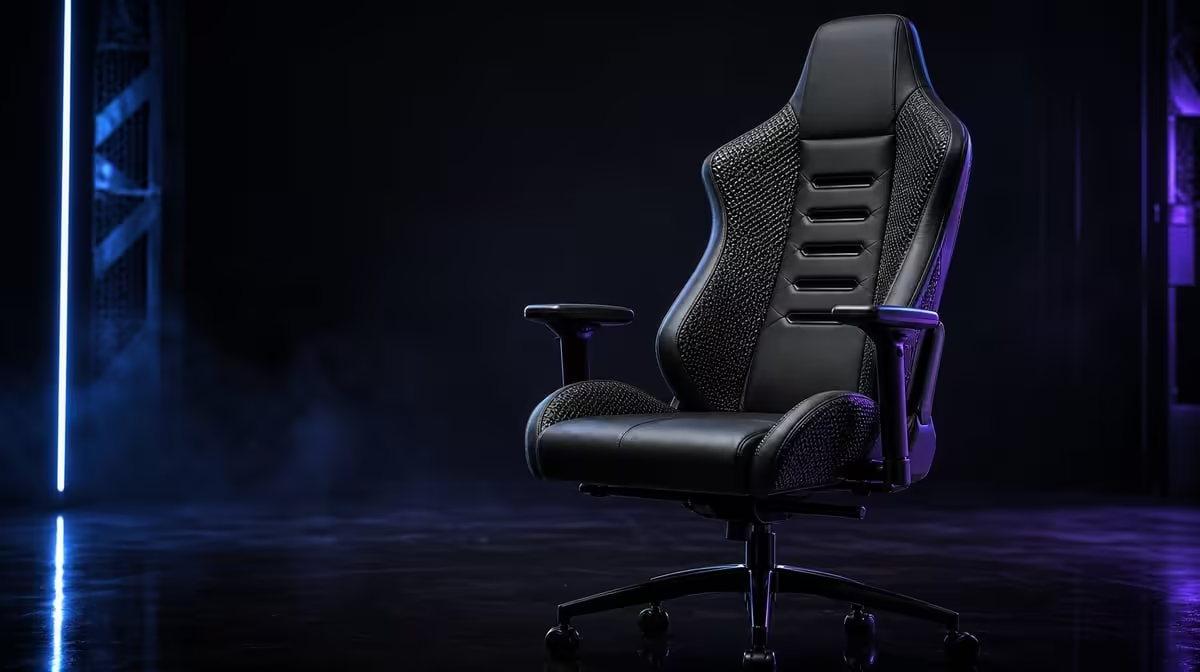
Chair comfort can improve when the contact surface manages heat, but ventilation cannot repair poor support or a hot room. Can covering and air channels improve chair comfort has a qualified yes for the R8,599 noblechairs HERO Black Edition. Its breathable covering and styled channels support airflow at contact areas, while fit, clothing, room conditions and movement remain decisive.
Quick Answer
The HERO's breathable material and air channels can improve contact ventilation during long use. They cannot lower room temperature or guarantee comfort. At R8,599, assess them alongside lumbar fit, enlarged 4D armrests, steel construction and the user's actual environment.
🌬️ Understand the surface role
Air channels create ventilation-focused detail at the chair, while breathable covering addresses the material around body contact.
Neither feature creates room airflow. Record temperature, clothing and session length before judging the chair.
See Evetech's noblechairs chair range for the relevant HERO family.
🪑 Separate ventilation from support
Tune lumbar depth gradually and place the enlarged pads under relaxed forearms. Leaning and reaching alter contact, which can change the heat experience.
The robust steel frame and 150kg user design are structural filters. They do not improve airflow.
Test work and gaming because each positions the hands and torso differently.
Set the lumbar support and armrests before comparing warmth. A user leaning away from poor contact can change which surfaces hold heat.
Keep the desk controls close enough for the torso to remain against the backrest. Record the support settings so a second test can recreate them.
Shared users should run separate trials. Clothing, body shape and lumbar preference can change contact even in the same room.
Do not add an extra cover during the baseline. It blocks the original surface and can alter pressure as well as ventilation.
Begin with a clean, dry chair. Loose dust in surface details and moisture left after wiping change the experience and make an unfair baseline. Use a gentle care method and wait until the PU is dry.
Check which contact area warms first: lower back, upper back or seat. This detail is more useful than a single hot verdict because task and posture can change where the body remains against the chair.
Keep the 4D pads in a known position. Raising or widening them can alter torso contact, so an armrest change should be recorded separately from the ventilation result.
Test the room without blocking air movement around the chair. A backrest pressed against a wall or covered with clothing cannot demonstrate its ordinary ventilation-focused design.
🧪 Compare consistent sessions
Use similar room conditions, clothing and duration. Note where warmth begins and whether a break changes it.
Avoid an extra cover during the first test. It changes both airflow and support.
Run the trial during a representative warm period and note session duration. A five-minute first impression does not show sustained contact.
Take a movement break, return to the same settings and observe whether warmth rebuilds similarly. Give the break proper credit.
Improve room airflow without changing the chair, then repeat. This separates environmental gains from the HERO's channel and material design.
Keep the PU clean and dry. Dust or recent moisture can distort the comparison.
Use one work task and one gaming task for similar periods. Typing can keep the torso more fixed, while a controller may allow small posture changes. Record that difference instead of declaring one material outcome universal.
Repeat the test after a normal movement break. If comfort improves because the body is no longer in continuous contact, the break belongs in the conclusion.
Try improved room airflow with the chair settings unchanged. This reveals what the environment contributes and avoids claiming that the HERO alone changed the full thermal experience.
Use the same clothing when comparing another chair. A changed layer can outweigh subtle material differences.
Compare other materials in Evetech's gaming chair category.
💵 Value the complete chair
At R8,599, ventilation is one part of the HERO package. A good surface result cannot cancel poor body or desk fit.
Build a scorecard with contact heat, lumbar fit, forearm support, structure, intended user range and care. Mark critical failures first.
Compare another chair under similar clothing, room conditions and tasks. Material labels alone do not describe complete construction.
The HERO's air channels deserve value only when the user notices a useful result under repeatable conditions.
At R8,599, compare the HERO with a suitable alternative using separate rows for contact warmth, lower-back fit, forearm support, structure, range and maintenance. A warm-room buyer may weight ventilation heavily, but critical body fit still has to pass.
Do not infer padding thickness, cooling measurements or exact temperature changes. The confirmed claim is the combination of breathable covering and styled air channels.
The steel frame and up-to-150kg design may help the chair pass structural filters. They should not be used to strengthen an unrelated ventilation claim.
Check current availability only at the point of decision through the approved Evetech categories. Keep the article focused on the features and practical test.
Maintain the PU with gentle dust removal, minimal moisture and prompt drying. Test only after the surface is dry.
Browse Evetech's premium gaming chairs and check current availability after the warm-room trial.
Design the material trial so temperature and fit are not mixed together. Keep the desk, clothing, room airflow and session duration consistent. Record how the PU feels where the back and seat make contact, then note whether the air-channelled areas remain more comfortable as time passes. A breathable covering can influence this local experience, but any change in the room fan or ambient temperature should be written beside the result.
Now run a separate posture check. Confirm that the lumbar setting still suits the user, the enlarged pads still support the forearms and the controls remain within reach. If the user leans away from the chair because of heat, the surface has affected the practical support outcome. If the back contact remains usable but the room is generally hot, the solution may involve airflow and movement rather than a different chair.
Repeat the test after routine cleaning so care does not become an unexamined variable. Keep the PU dry and use a gentle method suitable for the surface. These habits support ordinary ownership, but they cannot turn breathable design into a cooling system or guarantee a particular service life.
Add one more comparison for movement. Complete a focused task while seated normally, stand for a brief reset, and then return without changing the room conditions. Note how quickly warmth rebuilds at the contact zones and whether the user chooses to lean away from the backrest. This reveals whether the covering experience remains compatible with the posture setup over repeated cycles, rather than reducing the verdict to a single temperature impression.
The result should be written as an observation with boundaries. For example, the user may find the HERO surface manageable during the chosen session while ordinary room ventilation remains active. That conclusion stays tied to the actual clothing, workload and environment. It should not be turned into a universal statement about all South African rooms or every person who sits in the chair.
Finally, place the material evidence beside the R8,599 package instead of pricing it alone. The chair also brings continuous lumbar control, enlarged four-way arm support, robust steel construction and an intended user range reaching 150kg. A buyer can give breathable PU meaningful budget weight when contact warmth is frequent, while another may rank back or arm adjustment higher. This hierarchy is more useful than declaring air channels either essential or irrelevant for everyone.
Keep the final note specific enough that the same test could be repeated later under comparable conditions.
Frequently Asked Questions
What do air channels change?
They add ventilation-focused pathways at the chair surface.
How does breathable covering complement them?
It addresses the material through which contact ventilation occurs.
Can they overcome a hot room?
No. Room temperature and airflow remain separate.
Why are breaks useful?
They interrupt continuous contact and allow movement.
Does airflow guarantee ergonomic comfort?
No. Lower-back support, arm position and desk reach still matter.
What should two chairs share in a test?
Use similar clothing, room conditions, session length and tasks.
Does the 150kg design make the chair cooler?
No. Intended user range and ventilation are unrelated facts.
Why keep the PU dry?
A damp surface does not represent the chair's ordinary warm-session behaviour.
Can a cooler chair still fit poorly?
Yes. Ventilation cannot repair unsuitable lumbar or arm support.
Ready to test ventilation without losing sight of support?
Explore Evetech gaming chairs and compare the HERO's air channels in realistic room conditions.