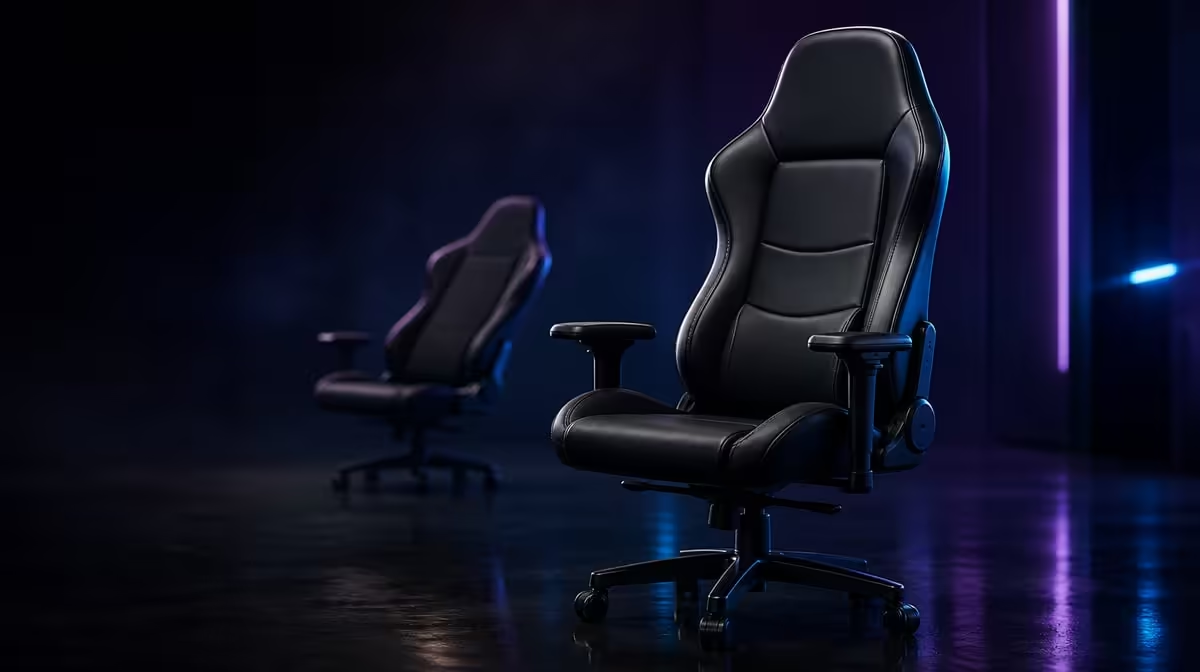
A poorly matched chair can make reaching, shoulder lift and unsupported sitting easier to repeat. The effect of the wrong gaming chair on posture develops through habits around the whole desk, while no chair determines posture by itself.
Quick Answer
Yes, an unsuitable chair can encourage repeated reaching, sliding or raised shoulders. At R7,899, the HERO TX places cold-foam beneath the user and a memory headrest behind them. Enlarged 4D armrests can improve control position, but monitor placement, movement and personal fit still shape the outcome.
🪑 Identify the repeated compensation
Use the current chair through a normal task and note when the user leaves the backrest, perches, leans to one side or raises a shoulder. Record the control being used.
Do not start by demanding a rigid upright pose. The goal is to find recurring compensation and the workstation condition that triggers it.
Evetech's noblechairs gaming-chair range gives buyers relevant alternatives for a controlled fit comparison.
Check the desk before the chair
Move the keyboard, mouse or controller within reach and align the monitor. Repeat the task.
A chair cannot correct a desk that continually pulls the body forward.
Review the feet and seat
Sit fully into the cold-foam with a stable foot position. Notice whether the user slides or escapes a pressure point.
Change one variable before deciding the seat is wrong.
Keep a short posture log
Record task, time, body drift and the correction attempted. Patterns across days reveal more than a photograph of one moment.
The log is a fit tool, not a medical diagnosis.
💪 Use arm support to reduce reaching
Bring the enlarged 4D pads towards naturally bent forearms. Start with height, then refine reach, spacing and angle around each control.
The shoulders should remain low and the chair should approach the desk without collision.
Compare control profiles
Keyboard, mouse and controller positions often differ. Save a profile for each rather than forcing one compromise.
Return the torso to the backrest after every meaningful change.
Watch the mouse side
Broad pointer movement can pull one shoulder forward. Retract or angle the pad so support remains available without blocking motion.
Move the mouse closer if the armrest reaches its limit.
Recheck seated pressure
Arm support changes how the body loads the cold-foam. Notice whether the pelvis shifts after the shoulders relax.
Reset the feet and seat before adjusting again.
🧠 Align head contact and viewing
Bring the visual target into a neutral forward gaze without craning. When reclining naturally, allow the head support to meet the user without reaching backwards for it.
It should not push the chin forward or hold the head constantly during active work.
If a different head or arm arrangement suits the user, explore Evetech's gaming-chair options for South Africa.
Separate comfort from treatment
Cold-foam and memory contact can improve comfort. They cannot correct every alignment issue or treat persistent pain.
Stop any position that worsens symptoms and seek appropriate professional advice when discomfort continues.
Test screen changes
Increase text size or adjust monitor distance before moving the headrest relationship. Repeat the task.
Visual reach is often mistaken for chair fit.
Include reclined gaming
Use a controller or viewing task and notice whether the arms, torso and head remain supported together.
Save this separately from the forward-attention desk profile.
📅 Replace one posture with movement
Stand, walk, release the arms and vary seated position during the day. The best setup makes a balanced base easy to recover after movement.
No chair turns one held posture into a healthy all-day requirement.
Compare the measured desk fit with Evetech's popular chair assortment. Then return to the R7,899 listing to see its purchase-day status.
Compare the first and last hour
Revisit shoulder, seat and head position near the end of the trial. Tired posture often reveals a marginal desk-and-chair relationship.
Reset the body before moving hardware and record what returns.
Review shared users separately
Store individual armrest, desk and reclined-contact notes. The 150kg maximum remains a capacity check, not a common fit.
Practise returning each person's profile after the chair changes.
Include fabric care
Premium TX fabric shapes surface movement and needs suitable minimal-moisture care. A chair can fit well and still be a poor ownership match if the routine is rejected.
Add maintenance to the final fit sheet.
Decide through a completed task
Finish a representative work or gaming block with movement breaks. Count interruptions caused by reaching or discomfort.
The HERO TX improves posture habits when its adjustable contact points help the user complete that real task without repeated compensation.
Compare a simpler chair
Run the same desk task on an alternative with fewer adjustments. Keep the controls, monitor and duration consistent.
The HERO TX has a stronger case when its cold-foam and 4D support remove a repeated compensation the simpler chair leaves.
Review the first movement after sitting
Notice whether the user can stand without sliding, bracing or colliding with the desk. Return and rebuild broad contact.
Entry and exit are part of posture habits, not interruptions to the test.
Check shared-user recovery
Let another person change the armrests and chair distance, then restore the original profile. Complete five minutes of work.
Useful adjustability includes finding the fit again after normal household changes.
Inspect warm-session fabric
Use the TX surface during the room's regular warm period. Record textile contact independently from back and shoulder alignment.
Do not turn a material preference into a posture correction.
Review the final hour
Repeat monitor, shoulder, seat and head checks late in the session. Add a movement break before the last task.
If the same compensation returns, identify whether control reach or body fit remains unresolved.
Preserve a change log
Write the single variable changed, the task and the result. Avoid changing screen, pads and chair distance together.
This creates a clearer route back to a working setup and useful evidence if discomfort persists.
Compare another desk
Move the chair to a second regular workstation and repeat control reach, shoulder and screen checks. A setting can fail when desk geometry changes.
Save a separate profile if the chair genuinely serves both locations.
Keep price behind fit
At R7,899, the HERO TX should only advance after the user completes the posture and task trial. Do not keep a poor fit because the feature package looks premium.
The best value is the chair that removes repeated compensations safely.
Recheck after several weeks
Review the original posture log and compare actual armrest, headrest and movement use. Mark any feature that stayed idle.
Longer observation can refine the buying verdict without turning it into a medical claim.
Frequently Asked Questions
How can a chair influence repeated posture habits?
Its fit can make balanced contact easier or encourage compensations such as reaching and sliding.
Does a chair determine posture by itself?
No. The desk, monitor, task, movement and user also matter.
Which HERO TX feature can reduce shoulder lift?
Its enlarged 4D armrests can support relaxed forearms when adjusted well.
How should the memory headrest contribute?
It should provide natural contact during reclined moments without forcing the chin.
Can comfortable cold-foam correct poor alignment?
No. Cushion support cannot fix a distant desk or unsuitable body fit.
Why does movement matter over a full day?
It interrupts static load and lets the user reset position.
Ready to compare chairs through the compensations they remove?
Explore Evetech's gaming-chair range with your desk reach, screen and movement habits mapped.