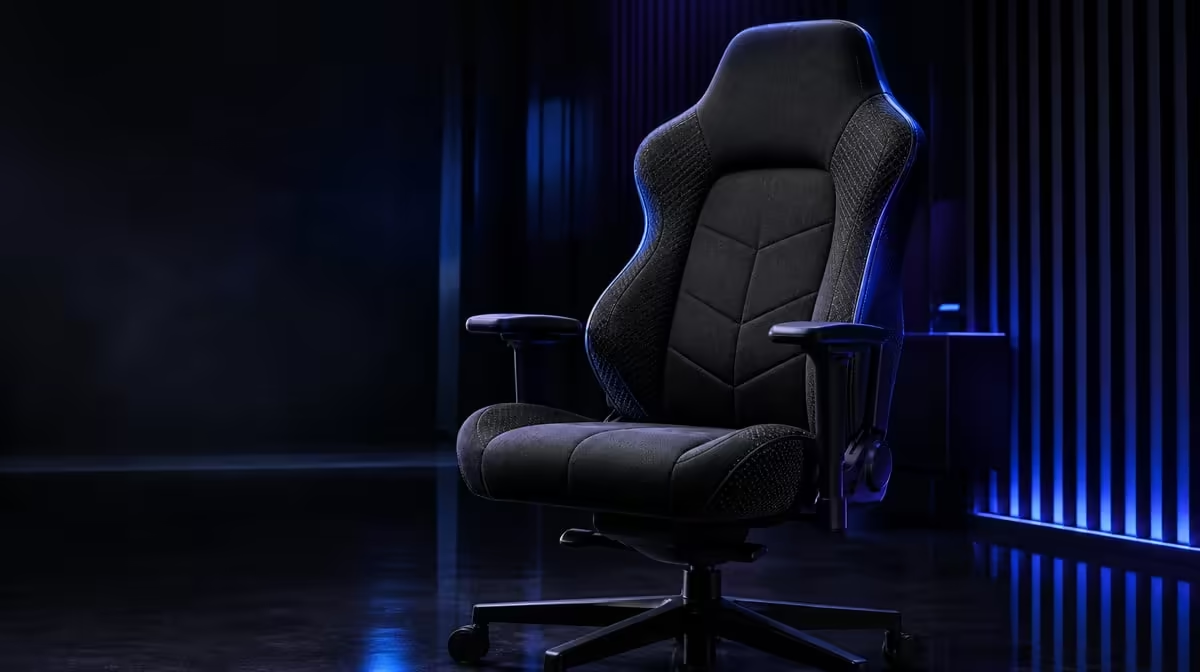
Warm South African conditions make surface ventilation important, but a chair still has to fit the user and desk before material becomes decisive. To choose a gaming chair for a warm climate, test contact heat through a realistic session while keeping room airflow, clothing and movement visible. The R8,599 noblechairs HERO Black Edition combines breathable covering with styled air channels.
Quick Answer
Choose a chair that passes body-fit and desk tests, then compare its covering under normal warm-room conditions. The R8,599 HERO uses breathable material and air channels to support contact ventilation, but it cannot lower the room temperature. Room airflow, clothing and movement breaks remain part of comfort.
🌡️ Describe the actual warm-room problem
Note when and where heat develops. A backrest can feel different from a seat, and the first few minutes may not represent a long session.
Record room conditions and clothing before comparing chairs. A cooler hour or lighter layer can otherwise be mistaken for a better material.
Check whether furniture restricts air movement around the desk. The chair cannot correct a hot, still room alone.
Use Evetech's noblechairs chair category to keep the HERO facts product-specific.
🌬️ Judge covering and air channels honestly
The HERO's breathable covering and air channels are intended to improve ventilation at contact surfaces. They do not promise that the user never feels warm.
Avoid adding an untested cover during the first trial because it changes airflow and support. Sit in the chair as configured.
Keep the PU clean and dry through gentle dust removal, limited moisture and prompt drying. A damp or dirty surface is a poor baseline for material comparison.
Compare session length, clothing and airflow consistently. Note the first warm area and whether a brief posture change alters it.
Run a second test after the chair has been used for a while. The starting surface temperature can make a short trial misleading, while a sustained block shows how contact builds.
Check whether an added blanket, cover or thick clothing blocks the ventilation-focused surface. Remove avoidable layers before concluding that the channels have no effect.
Inspect and gently clean dust from the chair without saturating the PU. A clean, dry surface provides a more reliable comparison.
The Evetech gaming chair range offers other material approaches for comparison.
🪑 Keep support ahead of ventilation
Tune the HERO's lumbar contact gradually and place the enlarged 4D armrests beneath relaxed forearms. A user leaning forward or reaching can create concentrated contact and pressure.
Test keyboard, mouse and controller positions. The torso and arms move differently, changing how much surface remains in contact.
The HERO's steel construction is robust, and its intended user range reaches 150kg. Use those details as structural filters; they do not determine temperature or guarantee fit for everyone within the range.
Stand and move during long sessions. A break reduces continuous contact while supporting posture changes.
Set the desk so the user can sit back. Leaning towards the screen concentrates contact differently and can make a ventilation test partly about poor reach.
Place the 4D pads under relaxed arms. Proper forearm support can change how the torso rests, so record the armrest position when comparing heat.
Keep drinks and damp items away from the chair. Moisture from a spill is not the same as normal warm-session contact and should be handled before testing resumes.
🧪 Run a repeatable South African trial
Choose a representative warm period and complete normal work or gaming. Note heat, pressure, support changes and the time at which movement becomes useful.
Repeat after improving room airflow while keeping the chair settings unchanged. This separates the environment from the covering result.
Then compare another chair under similar conditions. Do not treat fabric or PU as a complete construction; model-specific materials and channels matter.
Use a scorecard with surface heat, lower-back fit, forearm support, movement and care. A chair that feels cooler but misses the user structurally does not pass the complete test.
Shared users need separate trials. Clothing, body proportions and preferred lumbar depth can change contact even when the room stays the same.
If the HERO performs well only after room airflow improves, give each factor its proper credit. The chair and environment can work together without claiming that either replaces the other.
At R8,599, the HERO's ventilation features belong to a package that also includes adjustable support and steel construction. Compare premium options in Evetech's chairs above R4,000 and verify the current selection before buying.
Write a final purchase case naming the warm-room problem and the support features used. If it mentions only breathability, repeat the longer trial before spending.
Run the trial on more than one warm day if practical. A single session can be affected by unusually light clothing, a different room condition or a shorter workload. Repetition gives the material a fairer test without pretending to create laboratory evidence.
Check the chair after a work block and after gaming. Typing can hold the forearms on the pads and torso against the backrest differently from a controller session, changing which surfaces retain contact.
Use the lumbar and arm controls to improve fit, not to chase temperature. Record those changes so ventilation is not credited for a posture correction.
Compare the cleaning routine too. Dust in surface details and moisture left after wiping can change the feel of the chair. Gentle care and full drying create a consistent baseline.
Finally, ask whether the user's room can maintain the airflow present during the test. A setup that depends on an unusual temporary condition may not represent the ordinary South African workday.
Run a warm-room comparison at the hottest realistic part of the day rather than relying on a cool morning test. Use the same clothing, session length and room airflow for each chair. Note contact warmth at the back and seat separately, then record whether the user begins leaning away from the backrest. That final observation matters because a surface that encourages repeated forward sitting can undermine the support setup even if the room itself remains tolerable.
The HERO's breathable covering and styled air channels should be judged at the contact zone. Pair them with ordinary ventilation and regular movement; neither the PU nor the chair can cool the whole space. Then confirm that the lumbar mechanism and enlarged pads still work for the user. Climate suitability is strongest when thermal management and ergonomic fit survive the same long session.
Frequently Asked Questions
What matters most in a warm climate?
Start with chair fit, then assess contact ventilation, room airflow, clothing and movement together.
How does the HERO address surface heat?
It uses breathable covering with styled air channels.
Does breathable covering replace room ventilation?
No. It cannot lower the room temperature or create airflow across the setup.
Why does movement matter?
It interrupts continuous contact and lets the body change position.
Should ventilation outrank support?
Not automatically. A cooler surface cannot correct poor lower-back or arm fit.
Can PU suit a warm room?
It can, depending on the model and environment; the HERO includes ventilation-focused PU features.
What should a longer trial record?
Record room conditions, clothing, heat locations, support settings and break timing.
Does the 150kg range affect ventilation?
No. Intended user range and surface airflow are separate comparison points.
Should the chair be judged while damp?
No. Let the PU dry before resuming a realistic comfort test.
Ready to compare warm-room chair comfort under conditions you actually use?
Browse Evetech gaming chairs and test the HERO's ventilation beside support, room airflow and movement.