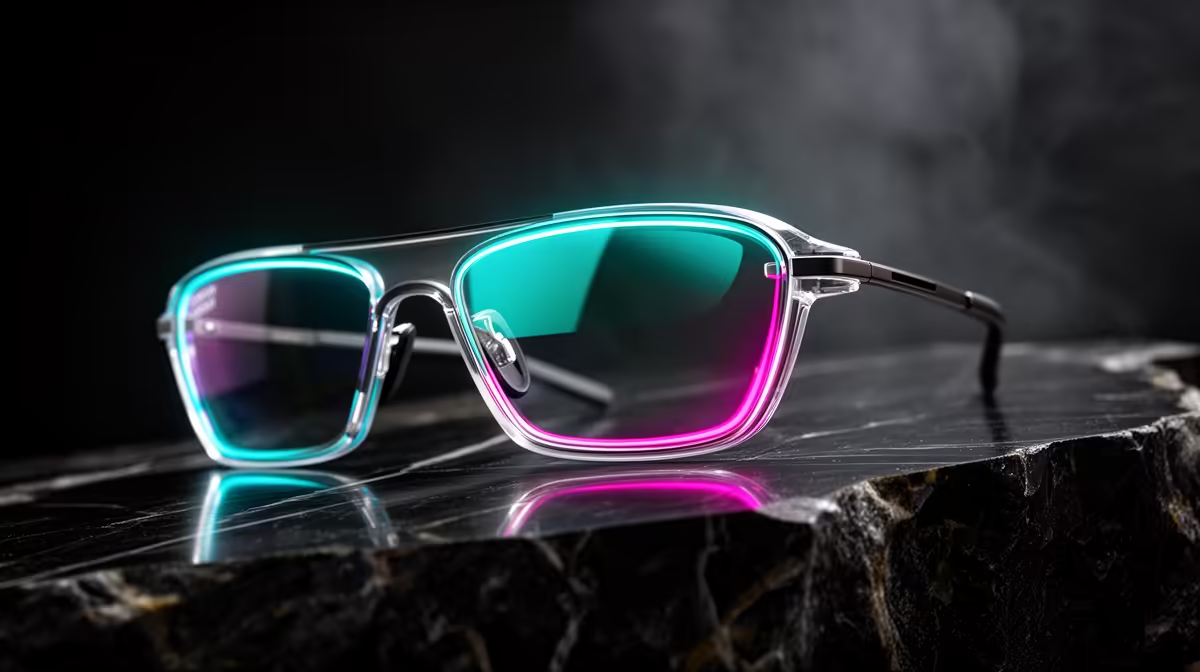
Device compatibility versus use cases weighs whether the glasses connect to your hardware against what you want to do with them, and both clearly matter, but compatibility is the gate that must open before any use case can be served. The answer is to confirm compatibility, then choose for your use.
Quick Answer
Device compatibility is the first requirement, since glasses that will not connect to your phone or laptop cannot serve any use case; confirm DisplayPort Alt Mode USB-C support first. Then let the use case, work, media, or gaming, guide the model. Models around R6,500 to R9,500 differ in both, so clear compatibility, then pick the best fit for your intended use.
Compatibility opens the door to every use case
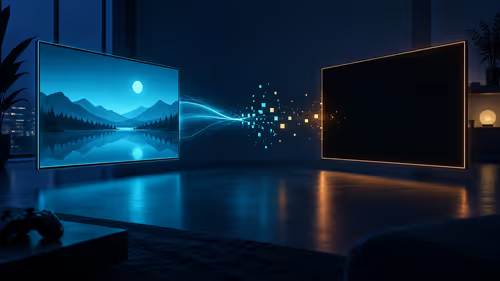
No use case can be served by glasses that will not connect, so compatibility is the prerequisite. AR glasses need a host device with DisplayPort Alt Mode over USB-C, or a supported adapter. Check your laptop or phone's port first, and budget R600 to R900 for an adapter if needed. Only once you confirm the glasses connect to your hardware can you meaningfully consider what you will do with them. Compatibility is therefore the first filter, the gate every use case depends on.
Use cases choose among the compatible models
With compatibility confirmed, the use case selects the right model. A portable work screen needs sharp text and a usable field of view; a media device needs good contrast and audio; a gaming display needs low latency. Identify your main use and pick the compatible model that serves it best. The use case is where the real choosing happens, since several compatible models may differ in how well they suit reading, watching or gaming. Define the use to narrow the compatible field to the right pair.
Both matter, handled in sequence
Compatibility and use cases both matter, but in order: compatibility makes the glasses usable at all, the use case makes them the right ones for you. Confirm your device drives them, then choose the model that best fits your intended use among the compatible options. Skipping the compatibility check risks buying a perfect-on-paper pair you cannot connect, while ignoring the use case risks compatible glasses that do not suit what you need. Handle them in sequence for glasses that both connect and fit your purpose.
FAQ
Does compatibility or use case matter more in AR glasses?
Compatibility first, since glasses that will not connect cannot serve any use case. Confirm DisplayPort Alt Mode USB-C support, then let your intended use, work, media or gaming, guide the model choice.
How do I confirm AR glasses work with my device?
Check that your phone or laptop has a USB-C port with DisplayPort Alt Mode, or budget R600 to R900 for a supported adapter. Only glasses that connect to your hardware can serve any purpose.
How does the use case affect the choice?
Once compatibility is confirmed, the use case selects among compatible models: work needs sharp text, media needs good contrast and audio, gaming needs low latency. Define your main use to pick the best-fitting pair.
Confirm your device drives the glasses, then choose the compatible model that best fits your main use, work, media or gaming, from Evetech; compatibility first, use-case fit second, gets the right pair.