Let's be honest. When you drop thousands of Rands on a high-end gaming rig, you want it to run icy cold and look absolutely spectacular. The ongoing debate between a digital display cooler vs standard AIO setups is tearing the local PC building community apart. Is that flashy LCD screen actually worth the extra ZAR, or should you stick to a trusty pump block? Let's settle the score...
The Basics of Liquid Cooling ❄️
When browsing CPU coolers, you will quickly notice a massive price gap. A traditional Liquid Cooler (AIO) is built purely for raw thermal performance. It uses a reliable pump, a dense radiator, and static pressure fans to pull heat away from your processor.
The digital display variants take that exact same cooling technology and slap a crisp LCD screen right onto the pump head. This means you are paying a premium purely for aesthetics and real-time monitoring rather than lower temperatures.
Making Your Build Pop ✨
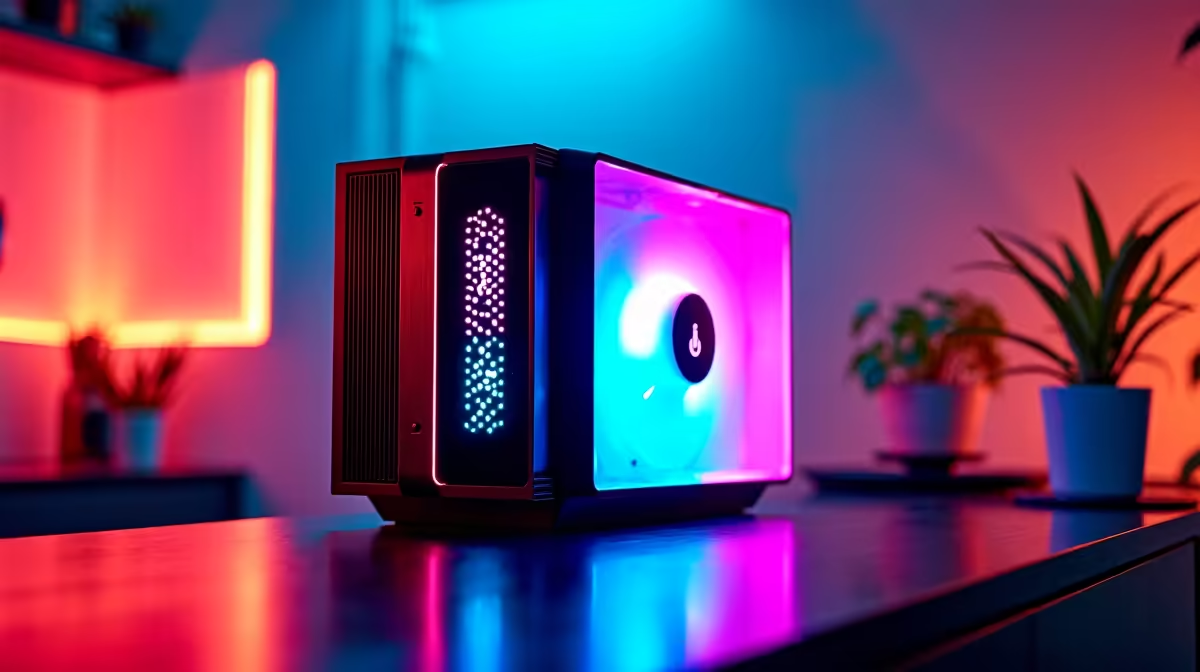
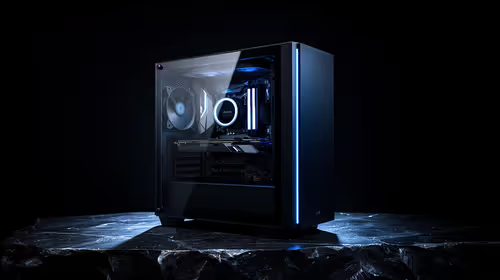
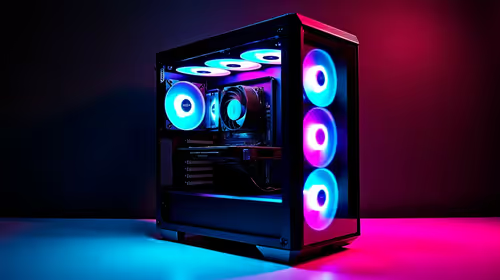
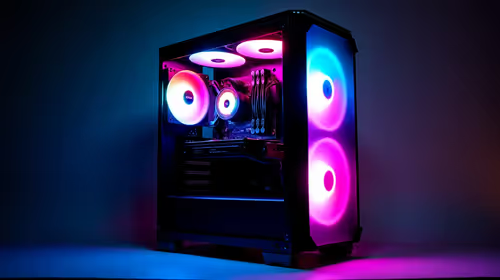
Your cooling choice dictates the entire vibe of your build. If you are housing your components in premium computer cases, a digital display acts as the ultimate visual centrepiece. You can display your favourite gaming GIFs, track your CPU temperatures in real-time, and match the screen's colour scheme with your RGB case fans for a perfectly unified look.
However, if you prefer a stealthy blackout build, standard AIOs paired with high-performance case fans or stealthy fans without lighting effects will save you serious money while keeping your system temperatures incredibly low.
Ecosystems and Compatibility 🔧
Ecosystems matter heavily when you are trying to sync your lighting and screen displays seamlessly. If you invest in premium Corsair case fans, getting a matching digital cooler ensures you only need one software suite to control everything.
The same logic applies to your chassis choice. Whether you are building in stylish Gamdias gaming cases or relying on budget-friendly Evetech gaming cases, you must make sure your radiator size fits comfortably at the top or front panel before making a purchase.
Cooling Pro Tip ⚡
Always mount your AIO radiator so that the pump is not the highest point in the loop. This prevents air bubbles from getting trapped in the CPU block, ensuring quieter operation and a significantly longer lifespan for your cooler.
So, What Is Actually Worth It?
At the end of the day, the digital display cooler vs standard AIO debate ultimately comes down to your personal budget and style. If you have an extra R1500 to R3000 to spare and want your rig to be a true conversation starter, the LCD screen is completely unmatched.
If you just want raw thermal performance to push your frame rates higher, stick to a standard AIO. You can then put those saved Rands toward a much better graphics card or a larger solid state drive.
Ready to Upgrade Your Thermals?
Whether you want a customisable LCD masterpiece or a stealthy thermal powerhouse, Evetech has exactly what you need. Explore our massive range of CPU Coolers and keep your rig running ice cold.