

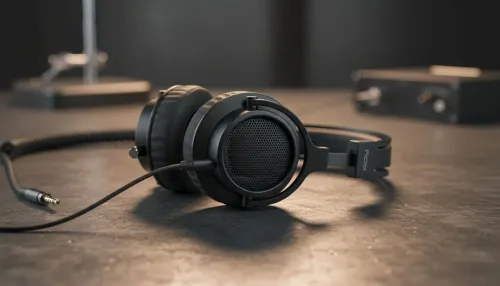
Maintain Wired Headset: Tips to Extend Lifespan
Maintain wired headset — Checklist: • inspect cables • clean earpads • store properly 🔧🎧 Practical steps to preserve sound quality and avoid premature replacements.
Read moreDiscover how DirectX 12 and Vulkan APIs affect CPU bottlenecks 📊. Optimize gaming performance and reduce lag. 🎮
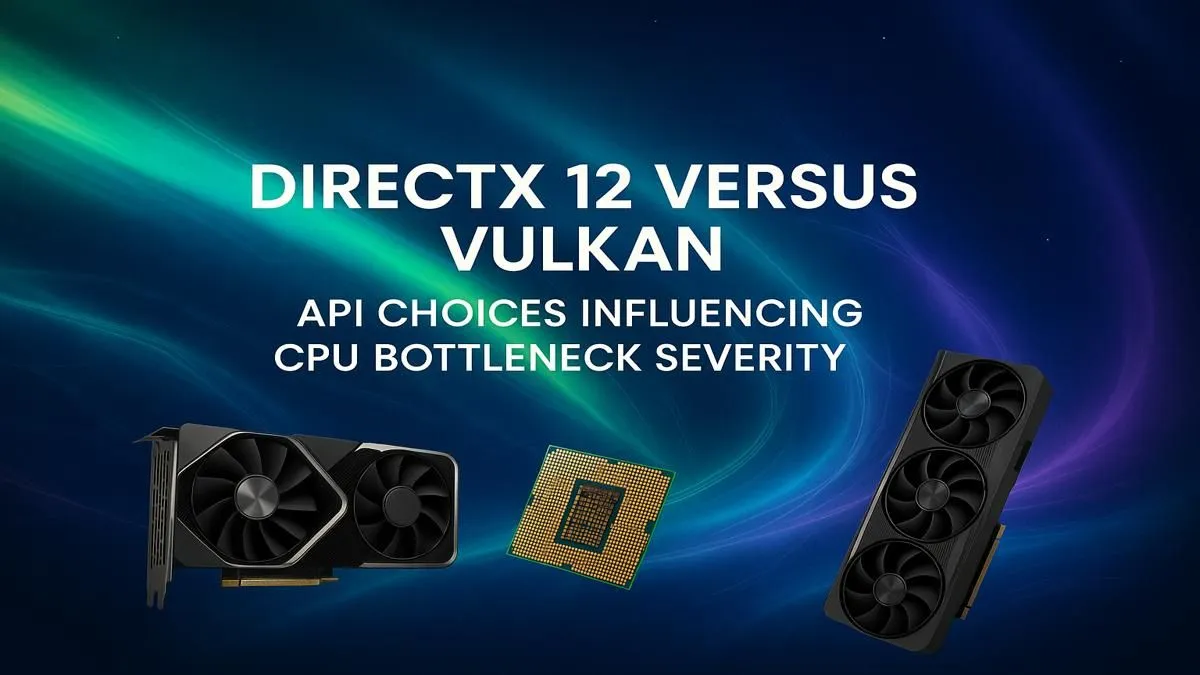
Stuttering during a final-circle firefight in Warzone? Framerate dropping in the middle of a chaotic Dota 2 team clash? You’ve got a beastly graphics card, so what gives? The culprit might not be your GPU, but a hidden CPU bottleneck. We’re diving deep into the DirectX 12 vs Vulkan debate to see how these powerful graphics APIs can rescue your CPU and deliver smoother, more consistent performance for your rig. Let's get into it. 🚀
Before we talk about bottlenecks, let's quickly break down what these terms even mean. A graphics API (Application Programming Interface) is like a translator. It’s the software that lets your game (the application) communicate with your graphics card (the hardware). For years, older APIs like DirectX 11 were the standard, but they weren't great at using modern, multi-core processors, often leading to performance traffic jams.
Enter the new contenders:
Both were built to solve the same problem: letting your hardware talk to software more efficiently.
Imagine your GPU is a master chef who can cook meals (frames) incredibly fast. Your CPU is the kitchen assistant who has to prepare the ingredients and give the chef instructions (these are called "draw calls"). If your assistant is slow or can only handle one instruction at a time, the master chef ends up waiting around, even though they could be working much faster. That’s a CPU bottleneck. ⚡
Older APIs could only send these instructions on a single CPU core. With modern games having millions of objects on screen, that single core gets overwhelmed fast, starving your powerful GPU. This is where the DirectX 12 vs Vulkan comparison becomes critical, as they tackle this exact CPU bottleneck impact.
Use a tool like MSI Afterburner with its on-screen display. If your GPU usage is consistently below 95% while a single CPU core is maxed out at 100% during gameplay, you've likely found your bottleneck!
So, how do these new APIs fix the problem? Their secret weapon is multi-threading. Both DirectX 12 and Vulkan can spread the workload of preparing draw calls across multiple CPU cores simultaneously. This means your kitchen assistant suddenly has a whole team of helpers, and the master chef (your GPU) gets a constant stream of ingredients to work with.
This multi-core efficiency is the single biggest advantage when discussing the impact on a CPU bottleneck. By distributing the load, neither API allows a single core to become overwhelmed, which translates directly to smoother frame rates and a more responsive gaming experience. If your rig is struggling, upgrading to one of the latest modern CPU processors with more cores can make a world of difference.
Here’s the thing: you usually don’t get to choose. The game developer decides which API their game will use. However, some titles like Red Dead Redemption 2 or Rainbow Six Siege let you switch between Vulkan and DirectX in the graphics settings.
Ultimately, the winner in the DirectX 12 vs Vulkan showdown depends on the game's specific implementation and your unique hardware combination. The best advice? If you have the option, test both and see which one gives you the best performance.
Upgrade Your Core Performance Is your CPU holding back your rig's true potential? The battle between APIs shows that a strong multi-core processor is more important than ever. Explore our wide range of CPU processors at Evetech for performance that leaves lag in the dust.
Vulkan provides finer control over CPU usage compared to DirectX 12, often reducing bottlenecks in games with intense workloads.
DirectX 12 improves CPU efficiency through multi-threading, but may not perform as well as Vulkan in complex graphical environments.
Switching from DirectX 12 to Vulkan can boost performance in multi-core CPU setups, reducing lag and enhancing frame rates.
Vulkan’s architecture supports modern multi-core processors better, offering long-term scalability compared to DirectX 12.
Open-world and high-detail games often see improved performance with the Vulkan API due to more efficient CPU usage.
Vulkan allows developers to implement low-level optimizations, reducing unnecessary CPU overhead and ensuring smoother performance.
Yes, Vulkan has a steeper learning curve due to manual resource management, compared to DirectX 12's more streamlined design.
Maintain wired headset — Checklist: • inspect cables • clean earpads • store properly 🔧🎧 Practical steps to preserve sound quality and avoid premature replacements.
Read more
Fix crackling headset fast: step-by-step checks for cables, connectors, drivers, and settings to remove static or distorted audio on wired headsets 🎧⚙️
Read more
Stereo vs mono headsets: learn which delivers clearer calls, better spatial music, or simpler mono voice performance — pick the right headset for meetings, music, or gaming 🎧💬
Read more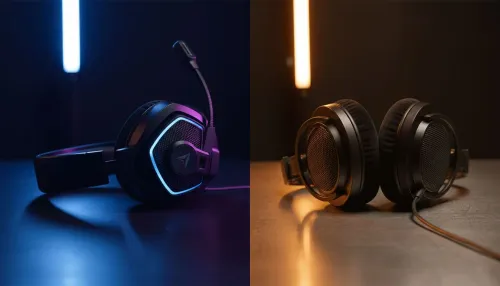
- Compare gaming headset vs studio headphones; - Assess comfort, mic and sound; - Recommend best daily picks. Gaming headset vs studio headphones: learn which suits work, music and casual gaming. 🎧⚖️
Read more
- Check pressure points - Compare earcup materials - Adjust clamp and fit Best gaming headsets for glasses: quick guide to reduce temple pressure, pick breathable memory foam earcups, and optimize fit for long sessions 🕹️👓
Read more
Gaming microphone noise reduction: Use beamforming mics, AI noise suppression, and hardware filters to cut background noise and boost in-game voice clarity. 🎧⚙️ Learn setups, settings, and top mic features.
Read more
Snapdragon X2 NPU Explained: How 80 TOPS Changes. Plain-English explanation of what it means, why it matters & how it affects your buying decisions in SA.

HBM? High Bandwidth Memory Used in GPUs and AI. Plain-English explanation of what it means, why it matters & how it affects your buying decisions in SA.
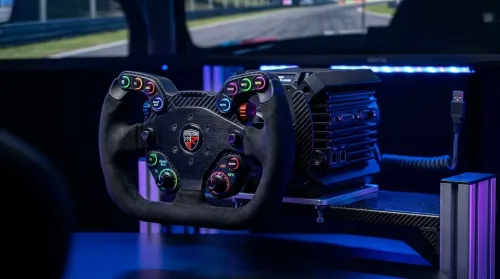
How much should you spend on sim racing accessories in South Africa for a realistic setup? We break down budgets by quality tiers, so you buy smart gear and avoid overspending 🎮💸

G-Sync and FreeSync? Variable Refresh Rate. Plain-English explanation of what it means, why it matters & how it affects your buying decisions in SA.

AMD Laptop: Value. SA-focused analysis with local pricing data, real-world insights & actionable buying advice.

How MacBook Neo Handles 30+ Chrome Tabs with Only. SA-focused analysis with local pricing data, real-world insights & actionable buying advice.

Why Apple Put 8GB RAM in MacBook Neo: The A18 Pro. SA-focused analysis with local pricing data, real-world insights & actionable buying advice.
Upgrade your work laptop with a New Motherboard. Step-by-step instructions with SA-specific tips, common pitfalls to avoid & expert recommendations.
Maintain wired headset — Checklist: • inspect cables • clean earpads • store properly 🔧🎧 Practical steps to preserve sound quality and avoid premature replacements.
Fix crackling headset fast: step-by-step checks for cables, connectors, drivers, and settings to remove static or distorted audio on wired headsets 🎧⚙️
Stereo vs mono headsets: learn which delivers clearer calls, better spatial music, or simpler mono voice performance — pick the right headset for meetings, music, or gaming 🎧💬
- Compare gaming headset vs studio headphones; - Assess comfort, mic and sound; - Recommend best daily picks. Gaming headset vs studio headphones: learn which suits work, music and casual gaming. 🎧⚖️