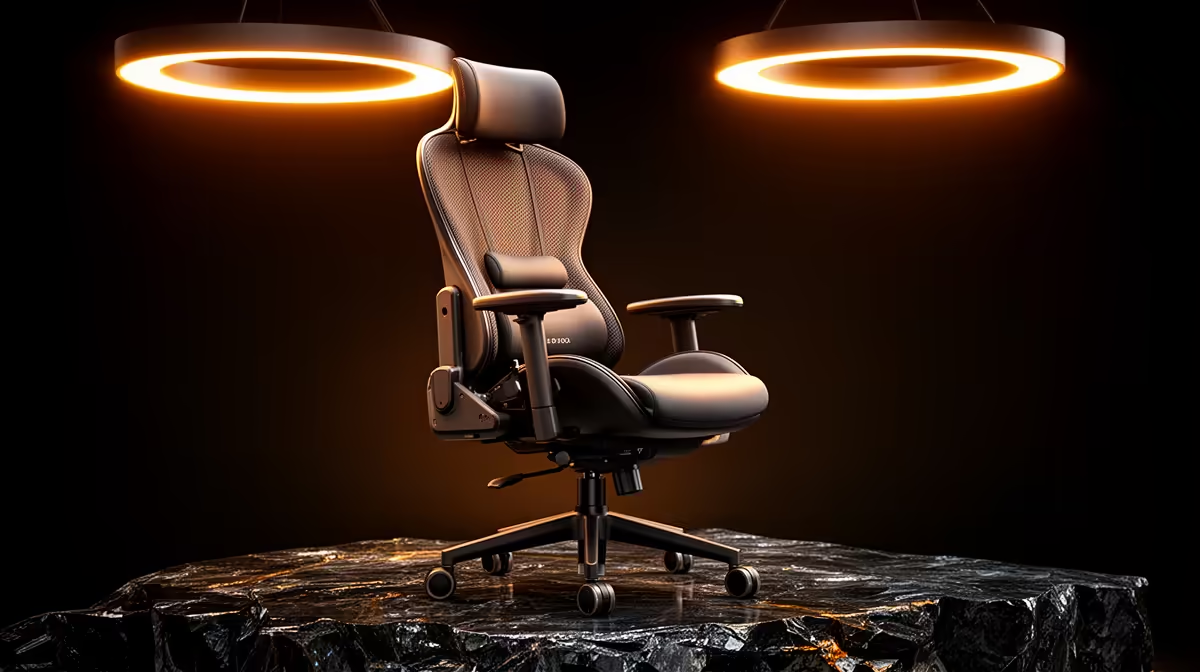
A medical student should choose an ergonomic office chair that fits the user, desk and longest study session. Adjustable support is more useful than a dramatic gaming shape when lectures, anatomy resources and revision keep someone seated for hours. No chair removes the need for movement breaks.
Measure before comparing models
Check seated hip width, floor-to-knee height and desk clearance. Feet should rest securely while forearms reach the keyboard without raised shoulders. Note whether adjustable armrests can move under the desk and whether the back support meets the user in a comfortable position. Test the seat if possible.
The HBADA E3 Pro ergonomic chair is listed at R5,700. A lower-cost alternative, the GAMDIAS ZELUS E5, is listed at R1,540. Confirm current dimensions, adjustment range, materials, weight guidance, assembly and warranty. Compare measurements rather than assuming the higher price fits every body better.
Set up the chair with the actual desk, monitor and input devices. Schedule short standing or walking breaks between study blocks. If numbness, pain or other symptoms persist, seek qualified advice instead of repeatedly changing accessories.
Choose the HBADA when its documented adjustments and dimensions match the student. Consider the GAMDIAS when its fit is suitable and a simpler chair preserves budget for the computer or textbooks.
Setting up a medical study desk? > Compare Evetech chairs by dimensions and adjustment.