Remember the satisfying thunk of a Game Boy cartridge? That iconic startup sound? For many South Africans, that grey brick was our first taste of freedom—gaming anywhere, anytime. Fast forward to today, and we're playing AAA titles on devices that fit in our pockets, powered by beasts like the Ryzen Z1 Extreme. The evolution of handheld gaming isn't just a tech story; it's our story. Let's take a walk down memory lane. 👾
The Dawn of Portable Play: From Pixels to Pockets
Before we could carry entire PC libraries, we carried AA batteries… lots of them. The Nintendo Game Boy, launched in 1989, wasn't the first handheld, but it was the one that captured the world's imagination. In South Africa, it became a playground icon. Remember huddling with mates, trying to beat a high score in Tetris under the glare of the sun on that green-tinged monochrome screen?
Its success wasn't about raw power. It was about accessibility, a killer game library, and the legendary link cable that made Pokémon trading a national pastime. The hardware was simple, but the experiences were profound—a far cry from the pixel-pushing power found in the best gaming laptop deals available today.
A Splash of Colour: The GBA, PSP, and DS Era
The early 2000s blew the doors open. The Game Boy Advance (GBA) finally brought a vibrant colour palette to our favourite portable franchises. Suddenly, Metroid Fusion and The Legend of Zelda: The Minish Cap popped with life. It was a massive leap, but Sony was about to take things even further.
Enter the PlayStation Portable (PSP). This sleek black device was a statement. It wasn't just a console; it was a multimedia machine with a widescreen display that felt impossibly futuristic. It brought 3D worlds like God of War: Chains of Olympus into our hands, powered by impressive custom silicon—a trend that continues in high-performance AMD laptops on special.
At the same time, Nintendo zagged with the Nintendo DS, introducing a second screen and touch controls that opened up entirely new ways to play. The handheld market was no longer a one-horse race; it was a hotbed of innovation.
The Smartphone Shift and Nintendo's Hybrid Masterstroke
For a while, it seemed like the dedicated handheld was doomed. Smartphones put a capable gaming device in everyone's pocket. Why carry a second gadget? The market stalled as casual games like Angry Birds took over.
But Nintendo, ever the innovator, responded with the Nintendo Switch in 2017. It was a stroke of genius—a hybrid console that seamlessly transitioned from the TV to your backpack. It proved there was still a massive appetite for high-quality, tactile gaming on the go. While the Switch carved its niche, the PC world, led by innovations in components like those found in Intel laptops on special, was paving a different path towards true portable PC power.
The Modern Renaissance: PC Gaming Unleashed with Ryzen Z1 Extreme
This brings us to the current, thrilling chapter in the evolution of handheld gaming. 🚀 The dream of playing your Steam library without being chained to a desk is now a reality. Devices like the Steam Deck, ASUS ROG Ally, and Lenovo Legion Go are not just consoles; they are fully-fledged PCs you can hold.
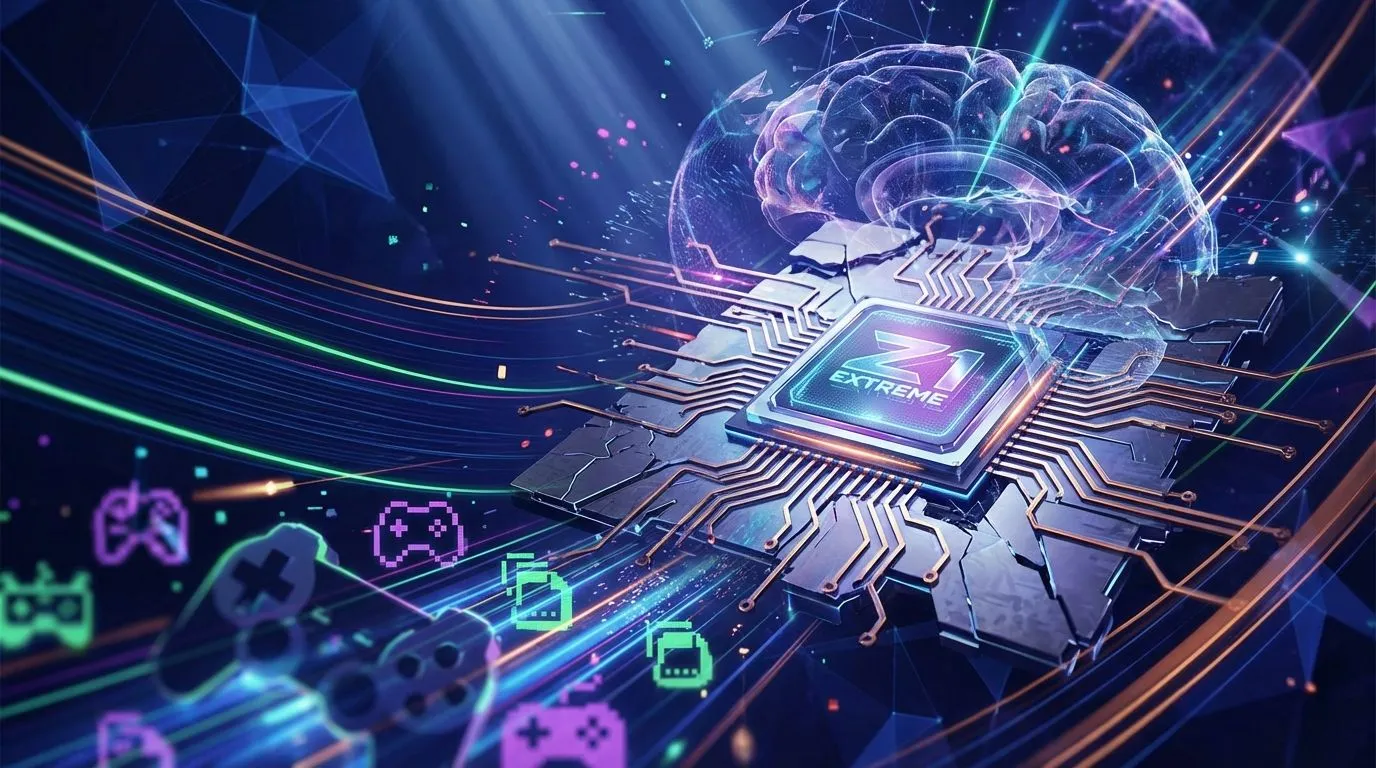
The heart of this revolution is often a chip like the AMD Ryzen Z1 Extreme. This processor is custom-built for handhelds, packing immense CPU and graphics power into a tiny, efficient package. It allows these devices to run demanding, modern AAA games like Cyberpunk 2077 and Baldur's Gate 3 at respectable frame rates. It’s the culmination of decades of progress, turning the Game Boy's humble dream into a high-fidelity reality.
Handheld Performance Pro Tip ⚡
Getting the most out of a Ryzen Z1 Extreme device? Don't just rely on default settings. Manually adjust the Thermal Design Power (TDP) in the device's software. A lower TDP (e.g., 10-15W) is great for indie games and saves battery, while cranking it up to 25-30W (when plugged in) unleashes the chip's full potential for AAA titles. Also, enable AMD's Radeon Super Resolution (RSR) for a smart performance boost!
The journey from four shades of grey to playing photorealistic open worlds on a train is nothing short of incredible. It shows that the desire for portable, immersive gaming has never faded—it has only grown more ambitious.
Ready to Level Up Your Portable Gaming?
From the Game Boy's simple charm to the raw power of the Ryzen Z1 Extreme, the evolution of handheld gaming has been incredible. Whether you're after a dedicated handheld or a powerhouse laptop for gaming on the move, the right machine is waiting. Explore our massive range of laptop specials and find the perfect gear to conquer your world.