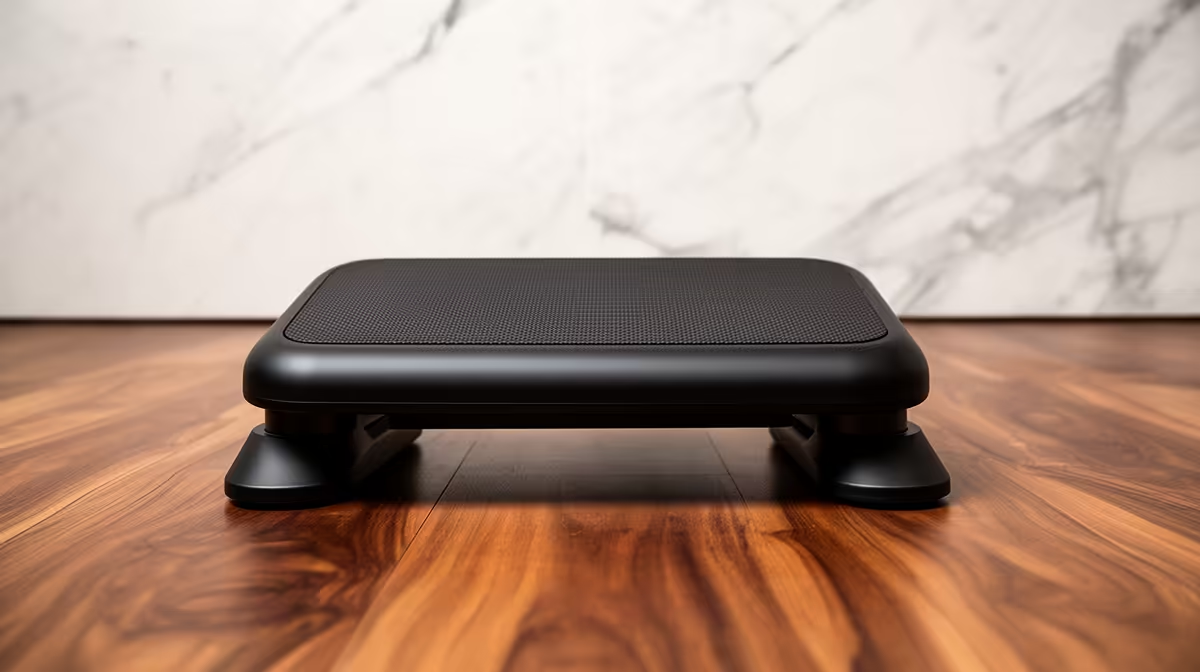
A footrest can help a nursing student whose chair and desk leave the feet unsupported during lectures, case notes and exam preparation. It should support the whole foot without raising the knees into the desktop or creating pressure behind them. Desk and chair adjustment come first because a footrest cannot correct a poor overall fit.
Set the study posture first
Set chair height for relaxed shoulders and comfortable keyboard reach. If the feet no longer rest on the floor, measure the gap and available leg space. The supplied facts contain no verified footrest SKU, so current models need comparison by height range, tilt, surface grip, width and cleanability. A large rocking design may not fit beneath a narrow residence desk.
Test reading and note taking
Use the support through a full recorded lecture and a handwritten revision block. Check whether both feet remain supported, the chair stays close to the desk and circulation feels unrestricted. The footrest should not slide when the student changes position. Choose a surface that can be cleaned after clinical travel and avoid fabric that traps dirt in a shared room.
Movement remains important during long study periods. Stand between topics and change position rather than holding one posture for hours. Persistent pain, swelling, numbness or weakness needs qualified medical assessment. Buy the accessory when measurements show it closes a real gap between chair height and floor.
Improving a nursing study desk? > Explore Evetech workspace accessories while checking current footrest dimensions separately.