

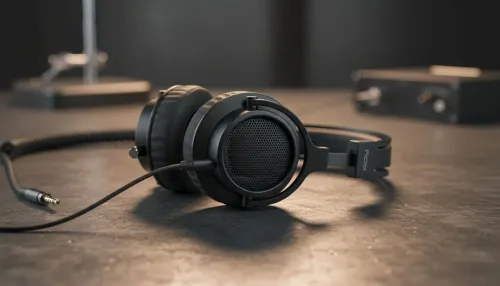
Maintain Wired Headset: Tips to Extend Lifespan
Maintain wired headset — Checklist: • inspect cables • clean earpads • store properly 🔧🎧 Practical steps to preserve sound quality and avoid premature replacements.
Read moreGet the most from your gaming headset in South Africa with our expert guide! We break down everything from optimal audio settings and mic etiquette to essential maintenance for gear longevity. 🎧 Elevate your gameplay from good to legendary and gain a real competitive advantage. Ready to dominate? 💥
So, you’ve just invested in a shiny new headset, ready to dominate in Apex or Valorant. But hold on… are you really getting the most out of it? A top-tier gaming headset in South Africa is more than just plug-and-play. Unlocking its full potential requires a bit of finesse. From muffled comms to missing crucial audio cues, default settings can seriously hold you back. Let's fix that right now. 🚀
Before you even touch software, get the hardware right. A poorly fitting headset is not only uncomfortable for long sessions but can also ruin sound isolation and bass response.
This is the number one step most gamers skip. Manufacturers constantly release updates to fix bugs, improve connectivity, and even add new features.
How you connect your headset matters. The two main options, wired and wireless, each have their pros and cons.
Your headset's software is your command centre. The equaliser (EQ) is your most powerful tool for customising the sound profile. Don't just stick to the "Flat" or "Default" preset.
In your headset's software, create a custom EQ profile. Try slightly lowering the bass frequencies (around 60-250 Hz) and boosting the upper-mids (around 2-4 kHz). This simple tweak cuts out distracting low-end rumble and amplifies the critical footstep and reload sounds, giving you a distinct competitive advantage.
This is a must for any serious gamer. Spatial audio technologies like Windows Sonic, Dolby Atmos for Headphones, or DTS Headphone:X create a 3D soundscape, allowing you to pinpoint the direction and distance of sounds with incredible accuracy.
Every game's audio mix is different. Spend two minutes in the game's audio menu to optimise your experience.
Sidetone is the feature that lets you hear your own voice through your headset as you speak. It helps you avoid shouting because you can't hear yourself. Find the sidetone level that feels natural—too little and you'll yell, too much and it's distracting. This is usually a slider in your headset's software.
Clear comms are vital. If your microphone has noise-cancelling features, enable them in the software. A "noise gate" is another brilliant tool—it sets a volume threshold, so the mic only activates when you're actually speaking, cutting out background noise like your mechanical keyboard or fan.
Whether you're on PC, PlayStation, or Xbox, the device itself has master audio settings.
Last but not least, look after your gear. A gaming headset in South Africa can be a big purchase from a wide variety of headphone and headset options.
Following these practices will transform your audio from just "good" to a true tactical advantage.
Ready to Hear the Difference? A premium gaming headset isn't just an accessory... it's a competitive advantage. From pinpoint-accurate footsteps to crystal-clear team chat, the right audio gear elevates your entire experience. Explore our massive range of gaming headset deals and find the perfect audio weapon for your setup.
To improve gaming headset audio quality, use your sound card's software to adjust EQ settings. Boost frequencies for footsteps and lower bass for clarity. Also, ensure your headset drivers are up to date.
Good gaming headset mic etiquette includes muting when not speaking, avoiding loud background noise, positioning the mic correctly to prevent breathing sounds, and not eating while on comms.
You should clean your gaming headset weekly. Wipe down the earcups and headband with a slightly damp cloth. For a deep clean, remove and wash earpads monthly if the material allows for it.
In SA, wired headsets offer a stable connection without interference. Wireless provides freedom but can be affected by other devices. For competitive gaming, wired is often preferred for zero latency.
To make your headset more comfortable, adjust the headband for a snug but not tight fit. Consider aftermarket earpads made of velour or cooling gel for better breathability and comfort.
Virtual 7.1 surround sound can enhance immersion in single-player games. However, for competitive FPS games, many pros prefer stereo for more accurate positional audio cues.
Use noise-cancelling features in your software like Discord's Krisp or NVIDIA Broadcast. Ensure your mic is close to your mouth and lower the mic gain to avoid picking up distant sounds.
Maintain wired headset — Checklist: • inspect cables • clean earpads • store properly 🔧🎧 Practical steps to preserve sound quality and avoid premature replacements.
Read more
Fix crackling headset fast: step-by-step checks for cables, connectors, drivers, and settings to remove static or distorted audio on wired headsets 🎧⚙️
Read more
Stereo vs mono headsets: learn which delivers clearer calls, better spatial music, or simpler mono voice performance — pick the right headset for meetings, music, or gaming 🎧💬
Read more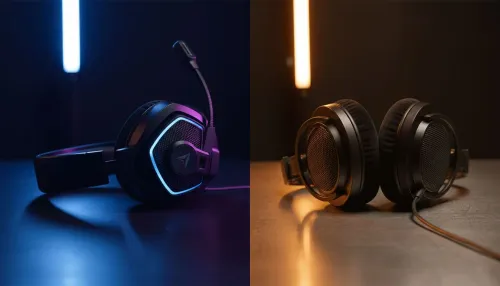
- Compare gaming headset vs studio headphones; - Assess comfort, mic and sound; - Recommend best daily picks. Gaming headset vs studio headphones: learn which suits work, music and casual gaming. 🎧⚖️
Read more
- Check pressure points - Compare earcup materials - Adjust clamp and fit Best gaming headsets for glasses: quick guide to reduce temple pressure, pick breathable memory foam earcups, and optimize fit for long sessions 🕹️👓
Read more
Gaming microphone noise reduction: Use beamforming mics, AI noise suppression, and hardware filters to cut background noise and boost in-game voice clarity. 🎧⚙️ Learn setups, settings, and top mic features.
Read more
Snapdragon X2 NPU Explained: How 80 TOPS Changes. Plain-English explanation of what it means, why it matters & how it affects your buying decisions in SA.

HBM? High Bandwidth Memory Used in GPUs and AI. Plain-English explanation of what it means, why it matters & how it affects your buying decisions in SA.
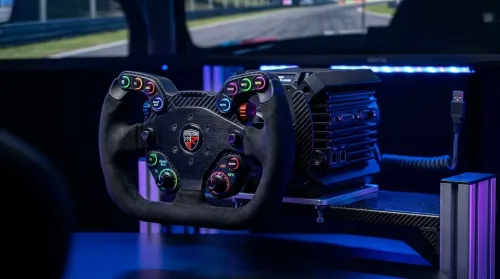
How much should you spend on sim racing accessories in South Africa for a realistic setup? We break down budgets by quality tiers, so you buy smart gear and avoid overspending 🎮💸

G-Sync and FreeSync? Variable Refresh Rate. Plain-English explanation of what it means, why it matters & how it affects your buying decisions in SA.

AMD Laptop: Value. SA-focused analysis with local pricing data, real-world insights & actionable buying advice.

How MacBook Neo Handles 30+ Chrome Tabs with Only. SA-focused analysis with local pricing data, real-world insights & actionable buying advice.

Why Apple Put 8GB RAM in MacBook Neo: The A18 Pro. SA-focused analysis with local pricing data, real-world insights & actionable buying advice.
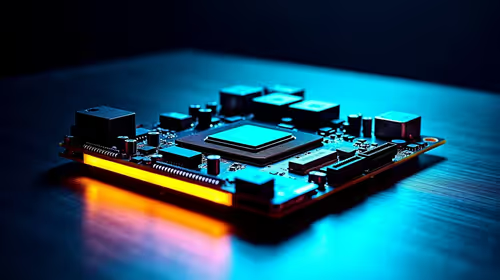
Upgrade your work laptop with a New Motherboard. Step-by-step instructions with SA-specific tips, common pitfalls to avoid & expert recommendations.
Maintain wired headset — Checklist: • inspect cables • clean earpads • store properly 🔧🎧 Practical steps to preserve sound quality and avoid premature replacements.
Fix crackling headset fast: step-by-step checks for cables, connectors, drivers, and settings to remove static or distorted audio on wired headsets 🎧⚙️
Stereo vs mono headsets: learn which delivers clearer calls, better spatial music, or simpler mono voice performance — pick the right headset for meetings, music, or gaming 🎧💬
- Compare gaming headset vs studio headphones; - Assess comfort, mic and sound; - Recommend best daily picks. Gaming headset vs studio headphones: learn which suits work, music and casual gaming. 🎧⚖️