Quick Answer
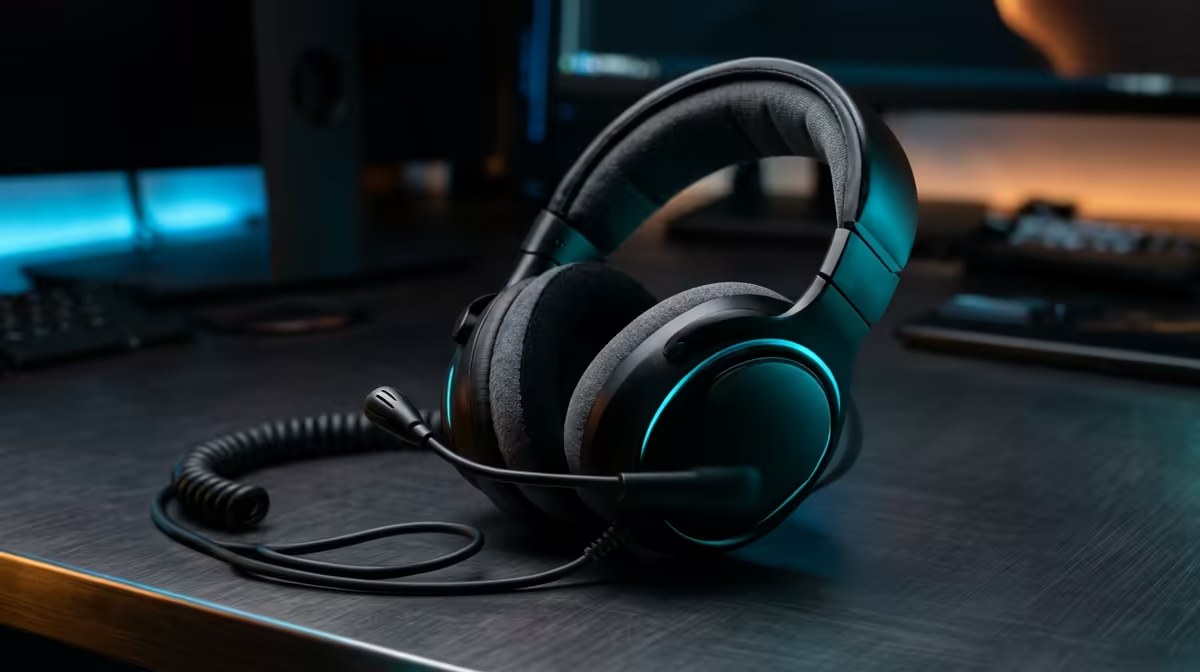
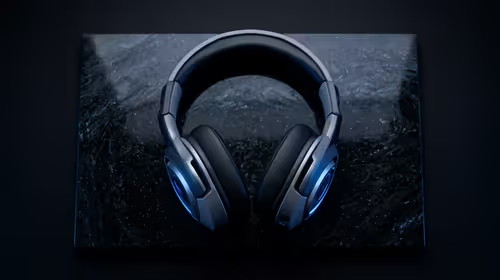
For flight simulation, the gaming-headset buying order is sound stage and comfort first, mic and surround second. Flight sims reward an open or wide-soundstage headset that places engine, radio and warning audio clearly, plus all-day comfort for long sessions; a R1,200-R2,500 model fits the bill.
Must-have: spacious, accurate sound
Flight sims are an audio-rich environment of engine notes, ATC chatter, stall warnings and ambient cues. The must-have is a headset with a wide soundstage and accurate mids so you can separate those layers. Open-back or semi-open designs excel here for placement, while large 50mm drivers keep engine rumble convincing. Comfort is equally essential because flights run long; aim for plush pads and under 350g.
Nice-to-have: a clear comms mic
If you fly online on VATSIM or with a virtual airline, a clear noise-rejecting boom mic matters for radio calls. A detachable cardioid mic that cuts keyboard noise is ideal, but it ranks below sound stage and comfort.
Skippable: heavy virtual surround
Aggressive virtual 7.1 can muddy a sim's natural positional audio. A clean stereo or mild spatial profile usually sounds more accurate, so do not pay a premium for surround gimmicks.
FAQ
Are open-back headsets better for flight sims?
Often, yes. Open-back designs give a wider, more natural soundstage that helps place engine, radio and warning audio. The trade-off is sound leakage, so use them in a quiet room.
Do I need a great mic for flight simming?
Only if you fly online with ATC or a virtual airline. Then a clear detachable boom mic helps radio calls. Offline, the mic barely matters.
What does a good flight-sim headset cost at Evetech?
Wide-soundstage gaming headsets currently run about R1,200 to R2,500 at Evetech. Open-back models for the best placement sit toward the upper end.
Prioritise soundstage and long-session comfort for flight simming; pick a wide-soundstage headset at Evetech and add a clear boom mic only if you fly online ATC.