

RTX 4060 Ti Throttling Under Load: SA Temperature Guide
RTX 4060 Ti Throttling Under Load: Temperature. Everything you need to know with SA pricing, step-by-step instructions & expert recommendations.
Read moreStruggling to choose between driver size and quality for your gaming headset? Discover which factor impacts audio performance more! 🎮💥
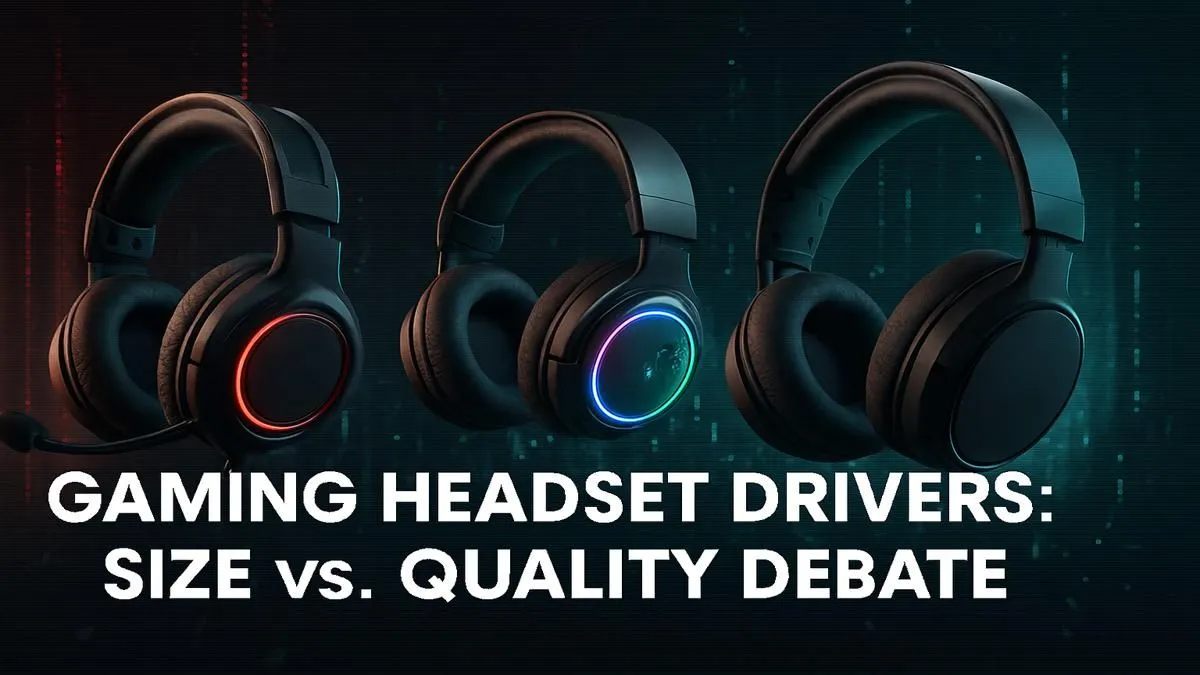
You're staring at two boxes. One screams "MASSIVE 50mm DRIVERS!" and the other... doesn't. We've all been there. In the quest for the ultimate audio edge in Mzansi's gaming lobbies, it’s easy to think bigger is better. But when it comes to gaming headset drivers, is size or quality the real boss? Let's cut through the marketing noise and find out what actually gives you the drop on your opponents. 🎧
Before we settle the score, what even is a driver? Think of it as the tiny, powerful speaker inside each earcup. It’s a simple but crucial piece of tech: a magnet, a voice coil, and a diaphragm. When your PC or console sends an audio signal, the driver vibrates to create the sound waves you hear—from the subtle footsteps of an enemy in Warzone to the epic orchestral score of Baldur's Gate 3.
The quality of these components is what separates muddy, flat audio from a rich, immersive soundscape. You can find a massive variety of options across Evetech's full range of headphone and headset components.
This is where the real battle lies. Marketers love big numbers, and "50mm neodymium drivers" sounds impressive. But does that size automatically translate to superior performance? Not always.
In theory, a larger driver (like a 50mm one) has a bigger diaphragm surface. This allows it to move more air, which can lead to more powerful and pronounced bass. For gamers who love feeling the rumble of explosions and the thumping beat of a game's soundtrack, this can be a huge plus. It’s a simple physics advantage that's hard to ignore.
Here’s the twist: a well-engineered 40mm driver can easily outperform a poorly made 50mm one. The debate over gaming headset drivers size vs. quality comes down to more than just millimetres. It’s about:
Ultimately, choosing between a reliable wired headset with 40mm drivers and a flashy 50mm one often comes down to the brand's engineering reputation.
Before you blame your drivers, check your software! Most gaming software (and Windows itself) has an equaliser (EQ). A simple adjustment, like boosting the mid-range frequencies, can make footsteps and voice comms much clearer without needing a new headset.
So, if you can’t trust the driver size on the box, what should you look for? Focus on features that deliver tangible benefits for your specific gaming needs.
For many console players, platform-specific audio tech is key. Sony's Tempest 3D AudioTech on the PS5, for example, creates an incredible sense of space. Pairing it with a purpose-built PlayStation headset can make a world of difference. The same goes for Xbox headsets optimised for Windows Sonic or Dolby Atmos.
Furthermore, the freedom of movement offered by a top-tier wireless headset might be more important to your setup than a slight difference in driver size. Comfort, mic quality, and battery life are all part of the "quality" equation. ✨
The takeaway is simple: gaming headset drivers' size vs. quality isn't a simple numbers game. A bigger driver can be better, but only when it's backed by quality engineering, materials, and tuning. Don't let a single spec distract you from the features that truly matter for your victory.
Ready to Hear the Difference? Stop guessing and start winning with audio that gives you a real competitive edge. Check out our curated list of the best gaming headset deals in South Africa and find your perfect fit today.
Larger drivers (40mm-50mm) offer deeper bass, but quality materials matter more for clear sound.
Size impacts bass depth and volume, but high-quality materials enhance overall clarity and detail.
50mm drivers deliver immersive sound but may lack precision if built with inferior materials.
High-quality materials like neodymium improve magnet strength, boosting accuracy and durability.
Yes! Smaller premium drivers with advanced tech often outperform larger low-quality options.
Focus on driver material, frequency response, and build quality for the best audio experience.
Larger drivers produce deeper bass, but proper enclosure design also affects low-frequency response.
Listen for clarity, check soundstage accuracy, and read reviews from reliable gaming audio sources.
RTX 4060 Ti Throttling Under Load: Temperature. Everything you need to know with SA pricing, step-by-step instructions & expert recommendations.
Read more
Apex Legends Max Settings on RTX 4080. Tested & verified settings for best FPS and visual quality on SA hardware budgets.
Read more
GPU Buying Guide. Everything you need to know with SA pricing, step-by-step instructions & expert recommendations.
Read more
GPU Terms Guide. Everything you need to know with SA pricing, step-by-step instructions & expert recommendations.
Read more
AMD Adrenalin Download & Setup Guide: GPU. Clear setup instructions with SA-specific considerations, troubleshooting tips & recommended components.
Read more
Back-to-School GPU Buying Guide. Everything you need to know with SA pricing, step-by-step instructions & expert recommendations.
Read more
Snapdragon X2 NPU Explained: How 80 TOPS Changes. Plain-English explanation of what it means, why it matters & how it affects your buying decisions in SA.

HBM? High Bandwidth Memory Used in GPUs and AI. Plain-English explanation of what it means, why it matters & how it affects your buying decisions in SA.
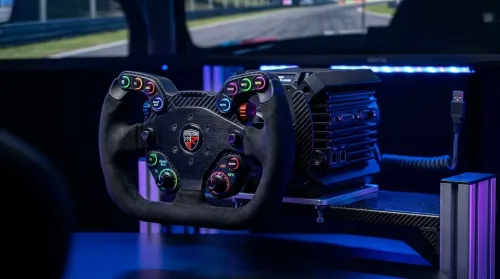
How much should you spend on sim racing accessories in South Africa for a realistic setup? We break down budgets by quality tiers, so you buy smart gear and avoid overspending 🎮💸

G-Sync and FreeSync? Variable Refresh Rate. Plain-English explanation of what it means, why it matters & how it affects your buying decisions in SA.

AMD Laptop: Value. SA-focused analysis with local pricing data, real-world insights & actionable buying advice.

How MacBook Neo Handles 30+ Chrome Tabs with Only. SA-focused analysis with local pricing data, real-world insights & actionable buying advice.

Why Apple Put 8GB RAM in MacBook Neo: The A18 Pro. SA-focused analysis with local pricing data, real-world insights & actionable buying advice.
Upgrade your work laptop with a New Motherboard. Step-by-step instructions with SA-specific tips, common pitfalls to avoid & expert recommendations.
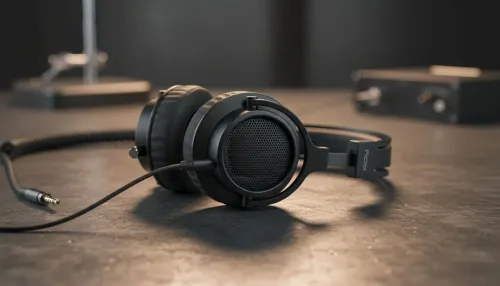
Maintain wired headset — Checklist: • inspect cables • clean earpads • store properly 🔧🎧 Practical steps to preserve sound quality and avoid premature replacements.
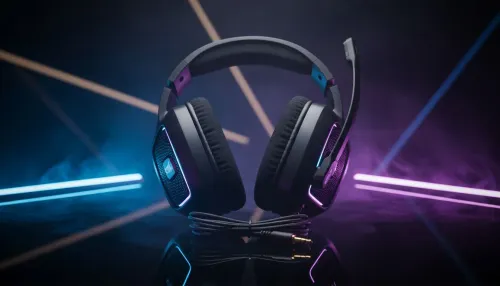
Fix crackling headset fast: step-by-step checks for cables, connectors, drivers, and settings to remove static or distorted audio on wired headsets 🎧⚙️
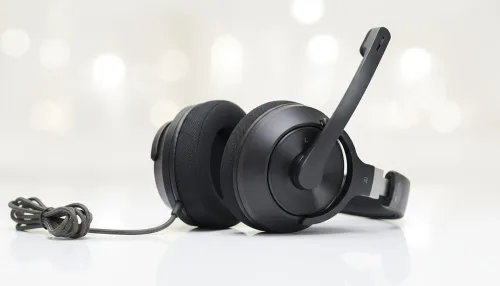
Stereo vs mono headsets: learn which delivers clearer calls, better spatial music, or simpler mono voice performance — pick the right headset for meetings, music, or gaming 🎧💬
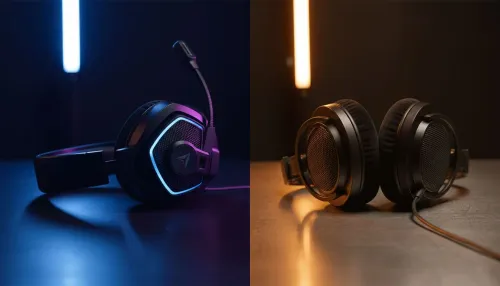
- Compare gaming headset vs studio headphones; - Assess comfort, mic and sound; - Recommend best daily picks. Gaming headset vs studio headphones: learn which suits work, music and casual gaming. 🎧⚖️