The Reality of Portable Gaming in 2025
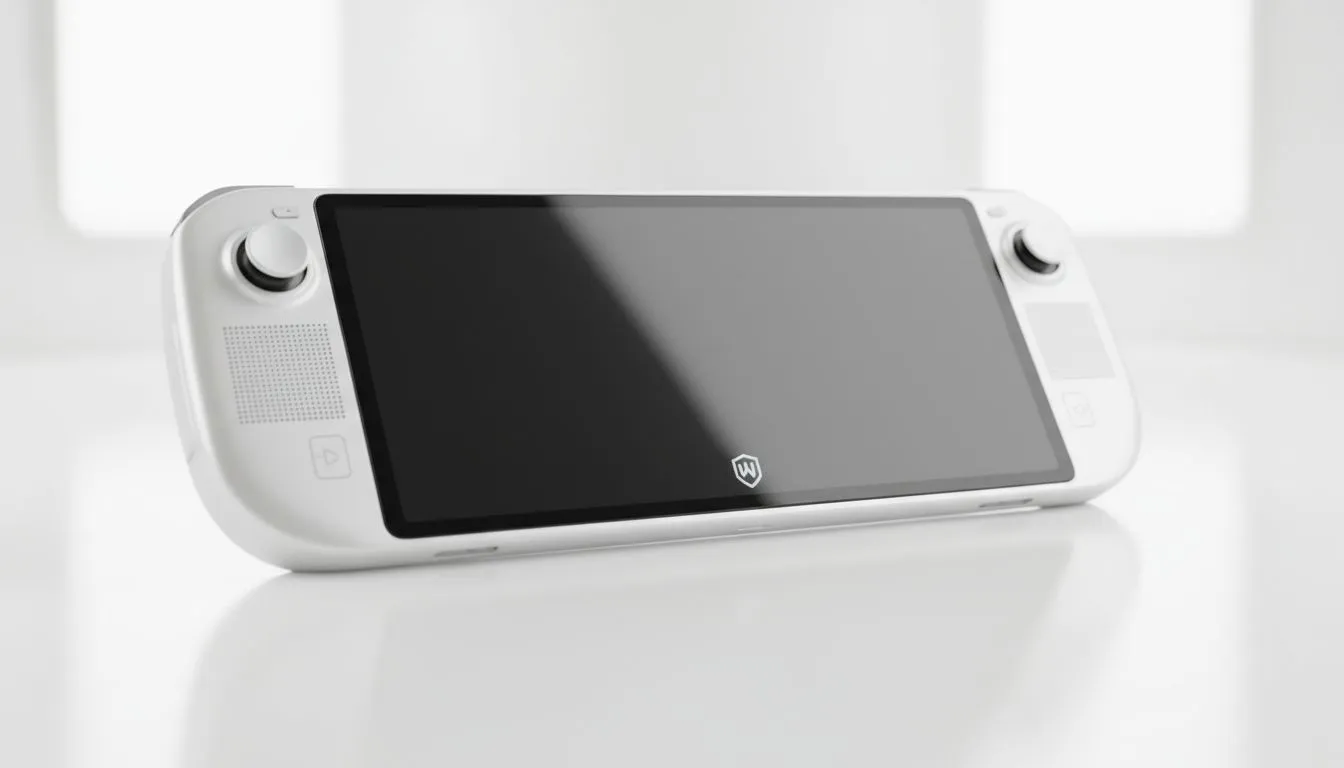
You just dropped over R15,000 on a portable powerhouse to survive the next bout of an unexpected outage. The nightmare scenario? Your character starts walking left on their own... or a ghost image of your HUD burns into the display. Before you panic, let’s break down the realities of the Handheld Warranty Guide 2025, focusing on the two biggest fears for SA gamers: screen burn-in and stick drift.
Understanding Stick Drift (and How to Avoid It)
Stick drift is the boogeyman of modern controllers. It happens when the internal potentiometers wear down, causing the console to register movement even when your thumbs are off the sticks. It’s frustrating, and on a unified handheld device, you can't always just "buy a new controller" easily.
Fortunately, manufacturers are listening. If you look at the engineering behind the latest MSI handhelds, many are moving toward Hall Effect sensors. These use magnets rather than physical contact points to measure movement, virtually eliminating mechanical wear and drift.
Another approach is modularity. The Lenovo Legion Go features detachable controllers. If a stick fails years down the line, you don't need to send the whole unit in for repairs; you simply replace the controller. This modular design is a massive win for long-term durability.
Screen Burn-in: OLED vs. IPS
We all love the infinite contrast of OLED screens, but organic LEDs degrade over time if they display static images at high brightness for too long. This is known as burn-in. In 2025, software mitigation—like pixel shifting—is much better, but the risk isn't zero.
If you are primarily playing games with static HUDs (like fighting games or RPGs) for hours on end, you might prefer the peace of mind offered by high-quality IPS panels found in many ASUS handhelds. While they might not have the "ink black" levels of OLED, they are immune to permanent burn-in, making them a robust choice for heavy users who forget to turn their screens off.
Screen Preservation Pro Tip ⚡
Always enable the 'auto-dim' or 'screen timeout' features on your handheld. Setting your display to turn off after 2 minutes of inactivity can significantly extend the lifespan of your panel, especially on OLED models where static lobby screens are the biggest enemy.
Why Local Warranty Matters
In South Africa, the Consumer Protection Act (CPA) is your best friend... provided you bought local. Grey imports might save you a few hundred Rands upfront, but if your motherboard fries or your stick drifts in month four, shipping that unit back to the US or Europe is a logistical nightmare.
When you browse our extensive range of handheld gaming consoles, you are getting units supported by local distributors. This means if you encounter a manufacturing defect covered by the warranty, the RMA process happens right here in SA. No customs duties on repairs, no months-long shipping waits.
Summary Checklist for Buyers
- Check the sensor type: Hall Effect sticks last longer.
- Know your screen: OLED needs care; IPS is durable.
- Buy Local: Ensure your warranty is valid within South African borders.
Protect Your Playtime
Don't let hardware anxiety ruin your game. Whether you want the modular freedom of Lenovo, the precision of MSI, or the raw performance of ASUS, we have you covered with full local support. Shop our full range of Handheld Consoles and game with total peace of mind.