A large build plate controls the first and last physical contact with every job: initial adhesion and model release. This guide to large FDM 3D printer build plate materials explains how construction, surface preparation, contact and removal should be evaluated without guessing the Neptune 4 Max plate faces.
Quick Answer
An upgraded plate with two usable faces covers the Neptune 4 Max's 420x420mm bed, while 121-point automatic levelling supports adhesion consistency.
Identify the exact plate material and coating before choosing any cleaner, treatment, temperature or removal tool. For R9,399, the Neptune 4 Max supplies an upgraded two-face surface across 420 x 420mm, yet its construction still needs confirmation. Manage each side independently until evidence supports a shared routine.
🧱 Understand What Surface Construction Changes
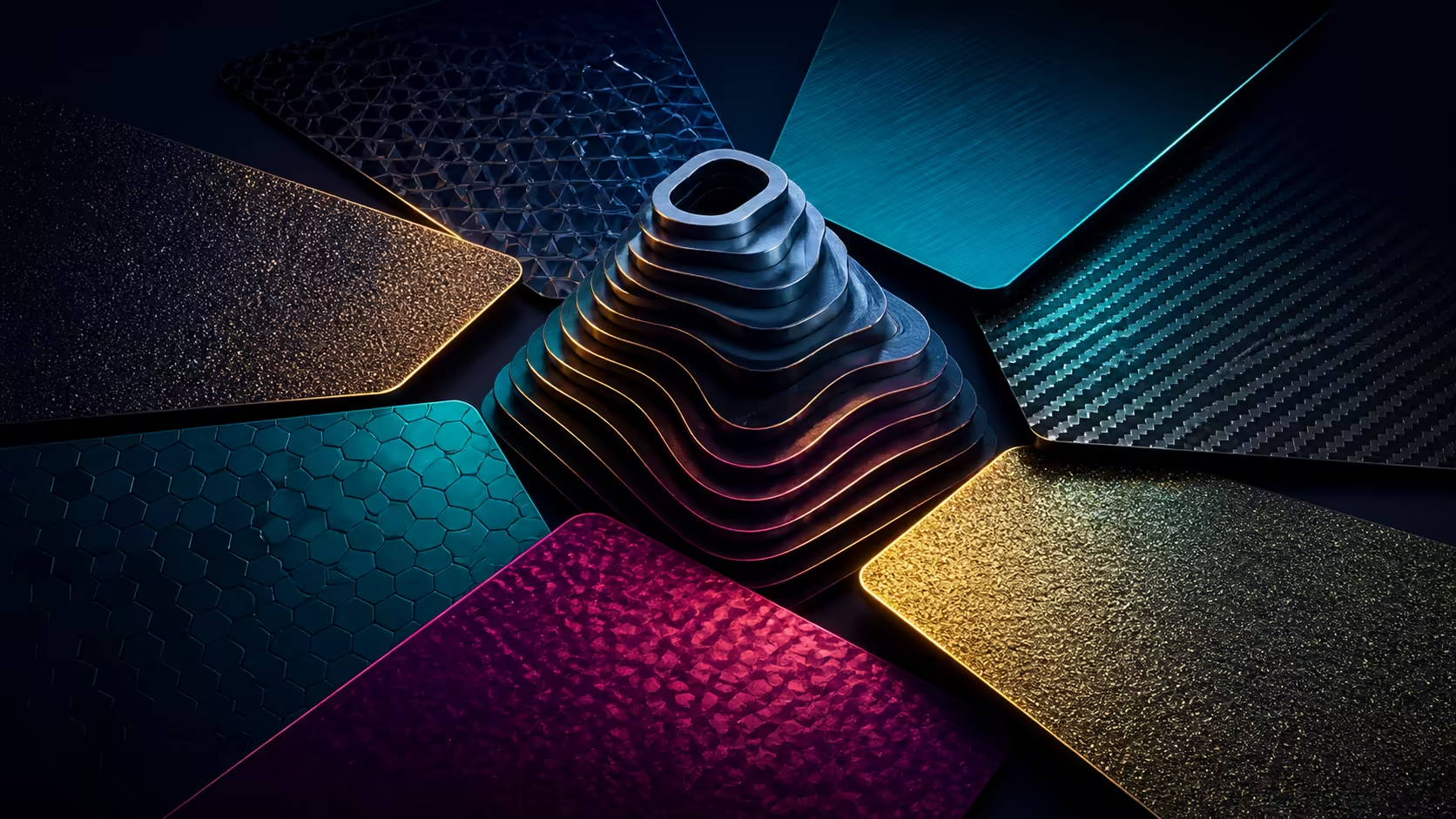
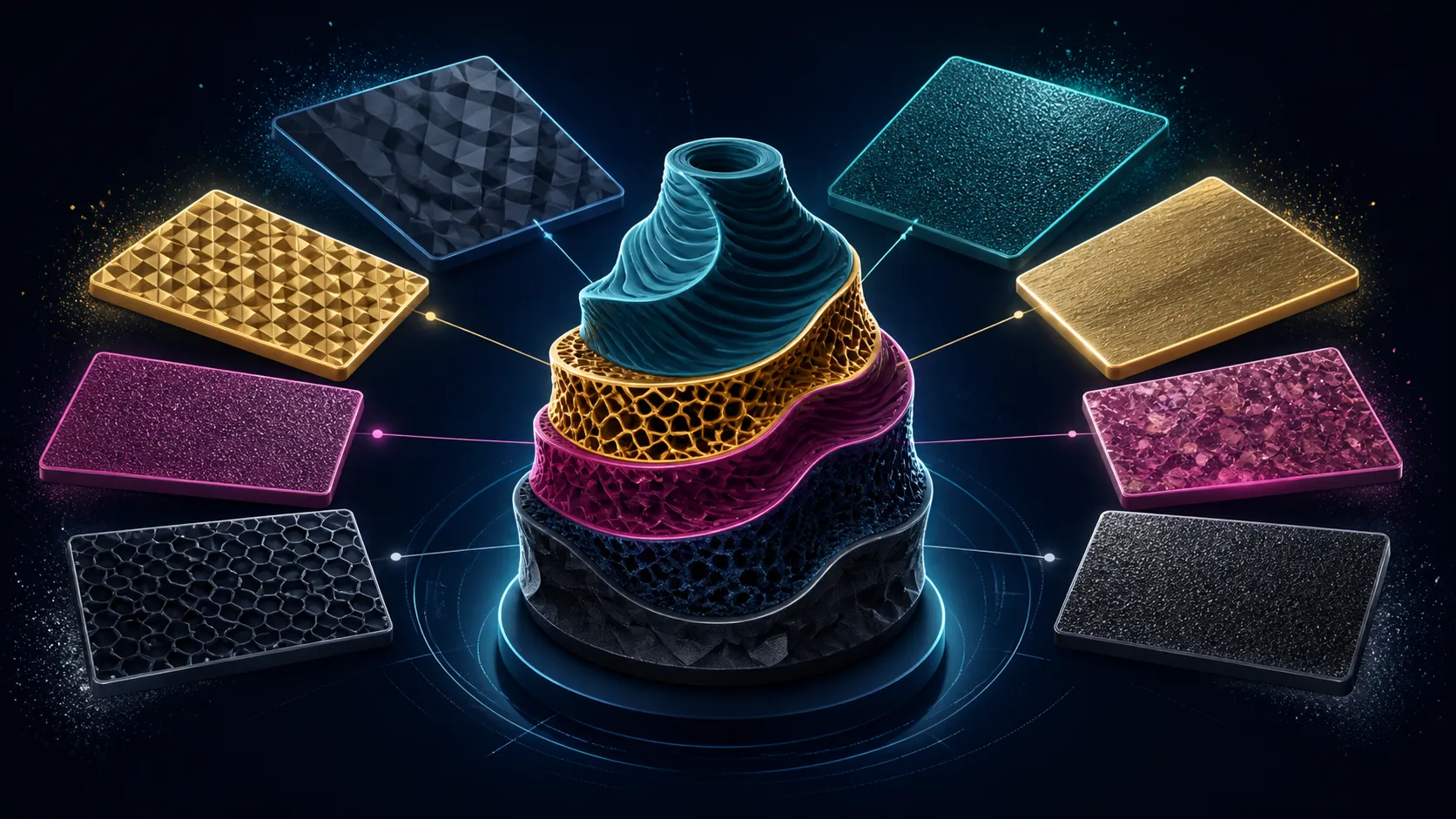
Plate material and coating can influence care, temperature response, first-layer contact and release. A rigid surface, removable sheet, coated face or flexible design may need a different handling route. These are general categories, not claims about the Neptune plate.
Obtain the exact identity of side A and side B. Record the approved cleaning agents, prohibited tools, treatment guidance and model-release procedure for each. Do not infer smoothness, texture, magnetic attachment or flex from the fact that both sides are usable.
Inspect the surface under useful light before printing. Look for contamination, residue, scratches or local damage that can change contact. Handle the edge where practical and place the 420mm plate on a clean stable support during preparation.
Compare large-format FDM printers on Evetech by asking how the exact plate is accessed, maintained and replaced. A surface label matters only when the operator can repeat its care.
Create a plate passport for shared workshops. Include face identifier, construction, current condition, last preparation and permitted release method. The record stops an incoming operator from flipping surfaces and applying the wrong routine.
🧼 Build an Adhesion Baseline Across the Bed
Clean the selected face according to its confirmed instructions. Run a simple first-layer pattern in several labelled zones rather than judging only the centre. A broad bed can reveal local differences that a small test never reaches.
Follow the exact printer's setup and first-layer procedure. The Neptune's levelling method must not be assumed from price, size or plate design. The diagnostic pattern shows the result of setup without naming the mechanism.
Inspect whether neighbouring lines meet consistently, remain separate or appear overly compressed. Separate global symptoms from one local zone. A common pattern invites review of the shared baseline, while an isolated patch deserves local investigation.
Change one variable and repeat the map. Keep filament, face, file and orientation fixed. Surface cleaning, initial gap, temperature and motion should not all move together because the useful correction would become impossible to identify.
After the map passes, extract the intended model's contact geometry for another trial. A thin perimeter, isolated contacts and a broad base can interact with the surface differently. The small pattern is a baseline, not a guarantee for every geometry.
🧊 Separate Holding From Model Removal
Successful adhesion keeps the part stable during the process; successful removal releases it without damage to the object or plate. Stronger contact is not automatically better if it creates excessive force or surface marks later.
Follow the exact face and material guidance for cooling, waiting, tools and treatment. Do not assume that the Neptune plate should be flexed, scraped or handled hot. Stop when removal requires unusual force and reassess the approved route.
Use a small repeated object to compare face A and face B. Record preparation time, holding outcome, waiting period, removal action and marks. One easy release should be repeated before it becomes the standard workflow.
The Evetech 3D printer selection can be reviewed with this complete plate cycle. A machine that offers more surface options may also require more identification and training.
Store the plate with both faces protected. If inspection finds damage, remove the affected side from routine use until its condition and next action are understood.
🧵 Match Filament, Heat and Surface Evidence
Material choice affects both contact and release. This Neptune's hot end reaches 300C, while that thermal limit names neither compatible filament nor plate treatment. Verify the full spool requirements against the printer and chosen face.
Choose from Evetech's filament range after describing the intended part and surface route. Keep spool identity and condition fixed during plate trials.
Speed should remain controlled while the surface baseline is being established. Although Klipper permits operation up to 500mm/s on this printer, the maximum does not establish first-layer settings or finished quality. Prove adhesion first, then tune motion separately.
Close each material trial with a face-specific note. Include successful preparation, first-layer evidence, complete print result and release action. If the next material needs another treatment, restore the surface according to its care guidance rather than layering processes.
A build plate earns trust when its condition is visible, its routine is written and another operator can reproduce both holding and release. The generic plate category never replaces exact face knowledge.
Introduce a surface quarantine step. When a face develops a scratch, residue patch or unexpected release change, label it and move scheduled work to a proven route where possible. Investigate the affected area with an appropriate small test instead of cleaning more aggressively by instinct.
Set a review interval based on actual use. Photograph each face under the same light, compare first-layer references and update the passport after maintenance. This history can show gradual wear separately from a sudden profile or material change.
For teams, train removal as a witnessed task before independent use. The operator should identify the active face, explain the permitted action and return the plate protected. That handover protects both surfaces and makes later adhesion evidence easier to interpret. Store the witnessed sign-off with the plate passport and require a fresh check after the care procedure changes. Include the training date, selected face and removal sample so a supervisor can reconstruct the exact lesson.
Removal advice should follow the actual plate face and filament rather than assuming a particular coating from the dual-sided label. Clean both sides appropriately, keep tools away from delicate surfaces and allow thermal release where suitable. The 11x11 mesh compensates shape variation, not contamination. Record the chosen side, temperature and first-layer result so flipping the plate remains a controlled workflow change.
Large parts should be allowed to cool uniformly before removal, since forcing one corner can flex the object or damage a surface. Use a representative broad sample to learn each face's release behaviour. Then reserve tools and cleaning methods that have already proved safe for that specific working side.
Frequently Asked Questions
Why does plate material matter?
Construction and coating can change cleaning, treatment, temperature response, handling and removal, so the surface must be identified first.
What plate fact applies to the Neptune 4 Max?
Its upgraded plate offers two evaluation faces across the 420 x 420mm bed.
Can the coating be identified from dual-sided wording?
No. The phrase reveals the number of usable faces, not their material, finish, attachment or flexibility.
How should adhesion be tested on a large plate?
Use a repeated line pattern across labelled zones, keep one face active and change only one baseline factor between trials.
What guides safe model removal?
Follow the exact plate and filament instructions for timing, cooling, tools and handling rather than applying a universal method.
Why keep both sides clearly distinguished?
Separate identities preserve the link between surface condition, preparation, first-layer result and release behaviour.
Does a 300C nozzle specify plate treatment?
It does not. The temperature limit and surface-care route are different questions that need their own evidence.
Ready to manage each plate face as a documented surface?
Compare large FDM printers and filament at Evetech with construction, adhesion and release kept as separate buying checks.