

RTX 4060 Ti Throttling Under Load: SA Temperature Guide
RTX 4060 Ti Throttling Under Load: Temperature. Everything you need to know with SA pricing, step-by-step instructions & expert recommendations.
Read moreChoosing between magnetic dome bearings vs fluid dynamic fan bearings can boost radiator cooling stability. Learn the performance differences, noise impact, and reliability trade-offs for high-performance builds. ❄️⚙️
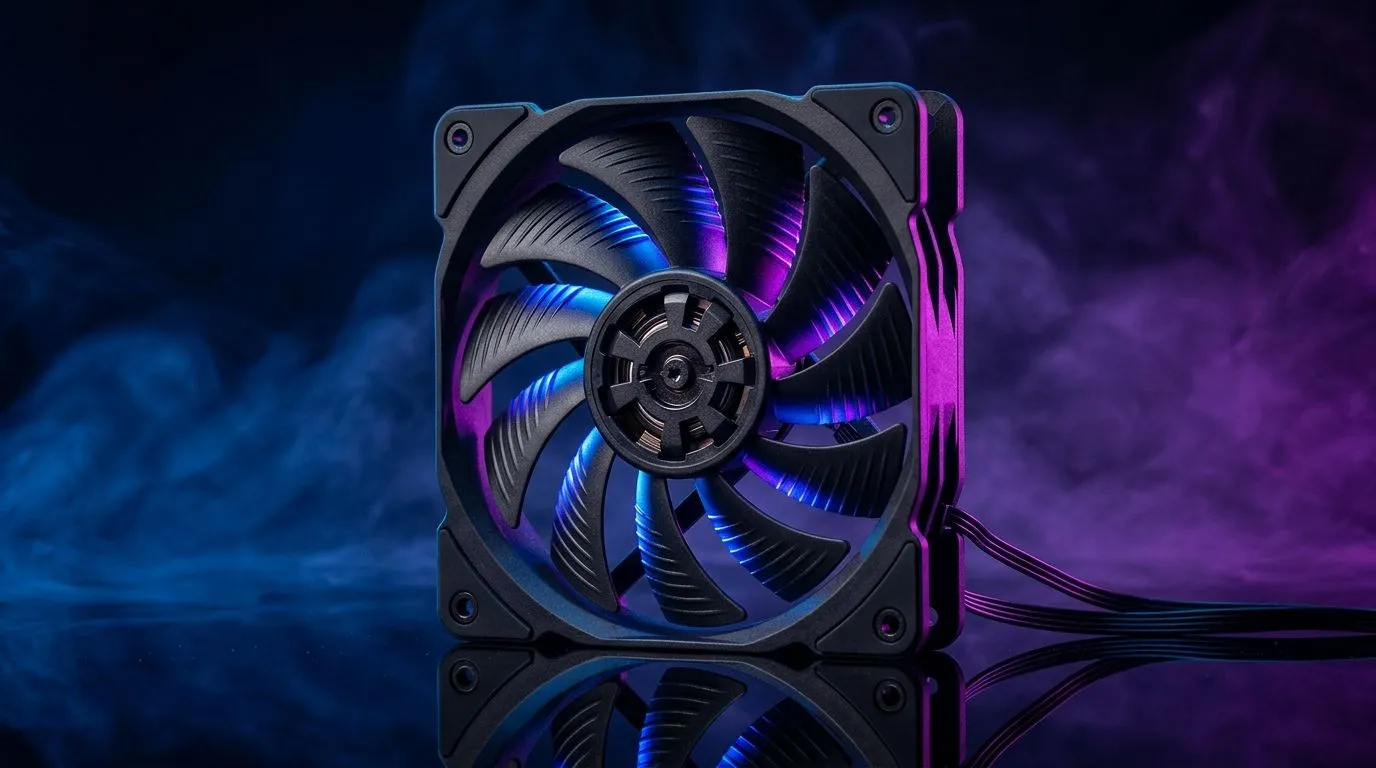
If you’ve ever sat through a long load-shedding session only to have your PC fans rattle like a loose exhaust pipe, you know the frustration. When building a high-performance rig, the difference between magnetic dome bearings vs fluid dynamic fan bearings often dictates whether your system stays whisper-quiet or becomes a distraction. Choosing the right cooling solution is vital for longevity, especially in our warm South African climate.
Fluid dynamic bearings are the industry standard for high-end cooling. By using a thin layer of lubricant to reduce friction, these fans offer exceptional lifespan and low noise levels. If you are browsing our CPU coolers, you will notice that most premium models rely on this technology. They are reliable, consistent, and perfect for long gaming marathons where silence is golden.
For those looking to push their CPUs to the limit, a liquid cooler (AIO) is often the preferred choice. Brands like Corsair have mastered the integration of these bearings to ensure that your radiator fans don't degrade after just a few months of heavy use.
Magnetic dome bearings represent a leap in engineering. By using a magnetic field to stabilise the fan shaft, they virtually eliminate physical contact, significantly reducing wear and tear. When comparing these to FDB, the magnetic approach often provides a more stable rotational axis. Whether you prefer the sleek aesthetic of Deepcool or the raw performance of a 360mm radiator, the bearing type is the unsung hero of your cooling setup. 🔧
ensure your fans are mounted vertically or horizontally according to the manufacturer's specs. Placing a fluid-bearing fan in an orientation it wasn't designed for can cause oil leakage over time, leading to that dreaded "clicking" noise. If you are tight on space, a [240mm radiator](https: www.evetech.co.za PC-Components cpu-coolers-84?attributes-coolertype=Liquid+Cooler+%28AIO%29&attributes-coolingsize=240mm+Radiator) is often easier to position correctly in smaller chassis builds.
Ultimately, whether you lean toward magnetic dome or fluid dynamic, the goal is the same: keeping your components cool under pressure. A quality fan is an investment in your PC's overall health. 🚀
Ready to Find Your Perfect Match? The debate between cooling technologies is complex, but for maximum performance, reliability, and value in South Africa, Evetech has you covered. Explore our massive range of CPU coolers and find the perfect cooling solution to keep your rig running at its peak.
It depends on your priority. Magnetic dome bearings often excel in smooth, low-vibration performance, while fluid dynamic fan bearings can deliver consistent airflow with strong stability under typical workloads.
Magnetic dome bearings can reduce vibration and certain noise components. Fluid dynamic fan bearings may still be very quiet, but noise can vary with the specific fan model and mounting pressure.
Fluid dynamic fan bearings are designed for long service life, but longevity depends on maintenance-free operation, operating temps, and how often the fan sees high-load conditions.
For high-performance radiator cooling, magnetic dome bearings can be attractive if you want stable, smooth operation at higher RPMs and reduced mechanical vibration transfer to your chassis.
Both bearing types influence how reliably a fan spins at target RPM. In practice, airflow performance is also driven by blade design, static pressure, radiator size, and fan curve, not bearings alone.
Both can be reliable, but heat and dust affect fans differently. Focus on your case airflow, radiator cleaning intervals, and stable mounting to protect bearing performance over time.
Usually no. Use your motherboard fan curve based on temperatures and sound preference. If you notice abnormal noise, check fan mounting pressure and ensure the radiator fan orientation is correct.
RTX 4060 Ti Throttling Under Load: Temperature. Everything you need to know with SA pricing, step-by-step instructions & expert recommendations.
Read more
Apex Legends Max Settings on RTX 4080. Tested & verified settings for best FPS and visual quality on SA hardware budgets.
Read more
GPU Buying Guide. Everything you need to know with SA pricing, step-by-step instructions & expert recommendations.
Read more
GPU Terms Guide. Everything you need to know with SA pricing, step-by-step instructions & expert recommendations.
Read more
AMD Adrenalin Download & Setup Guide: GPU. Clear setup instructions with SA-specific considerations, troubleshooting tips & recommended components.
Read more
Back-to-School GPU Buying Guide. Everything you need to know with SA pricing, step-by-step instructions & expert recommendations.
Read more
Snapdragon X2 NPU Explained: How 80 TOPS Changes. Plain-English explanation of what it means, why it matters & how it affects your buying decisions in SA.
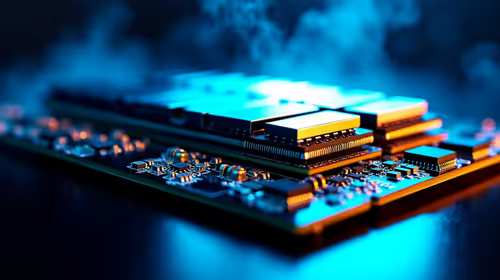
HBM? High Bandwidth Memory Used in GPUs and AI. Plain-English explanation of what it means, why it matters & how it affects your buying decisions in SA.
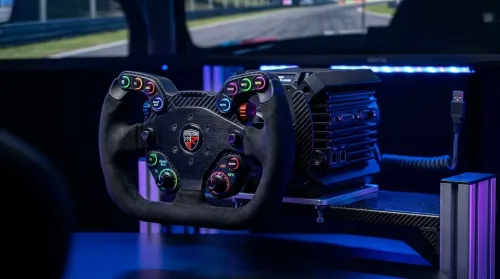
How much should you spend on sim racing accessories in South Africa for a realistic setup? We break down budgets by quality tiers, so you buy smart gear and avoid overspending 🎮💸

G-Sync and FreeSync? Variable Refresh Rate. Plain-English explanation of what it means, why it matters & how it affects your buying decisions in SA.

AMD Laptop: Value. SA-focused analysis with local pricing data, real-world insights & actionable buying advice.
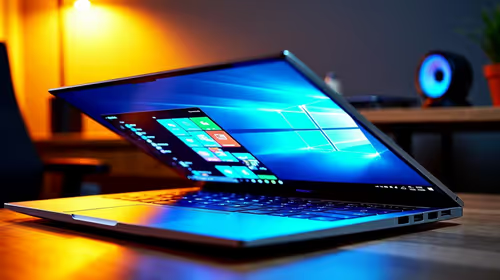
How MacBook Neo Handles 30+ Chrome Tabs with Only. SA-focused analysis with local pricing data, real-world insights & actionable buying advice.

Why Apple Put 8GB RAM in MacBook Neo: The A18 Pro. SA-focused analysis with local pricing data, real-world insights & actionable buying advice.
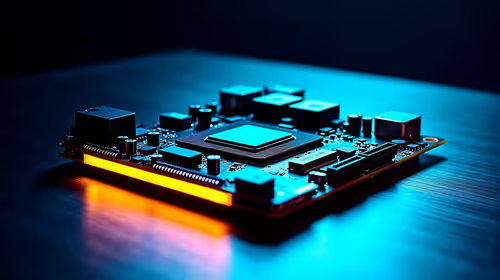
Upgrade your work laptop with a New Motherboard. Step-by-step instructions with SA-specific tips, common pitfalls to avoid & expert recommendations.
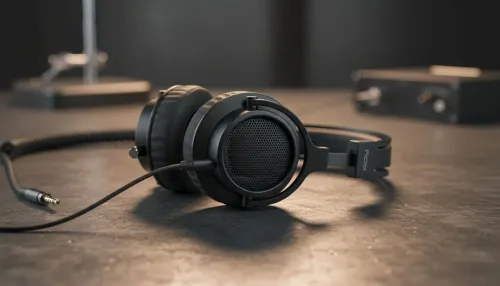
Maintain wired headset — Checklist: • inspect cables • clean earpads • store properly 🔧🎧 Practical steps to preserve sound quality and avoid premature replacements.
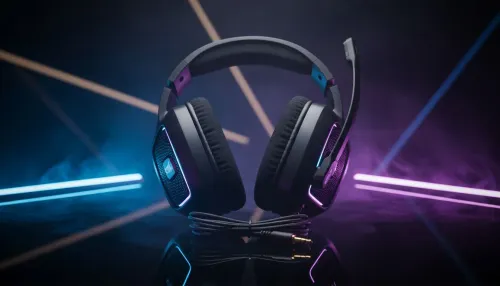
Fix crackling headset fast: step-by-step checks for cables, connectors, drivers, and settings to remove static or distorted audio on wired headsets 🎧⚙️
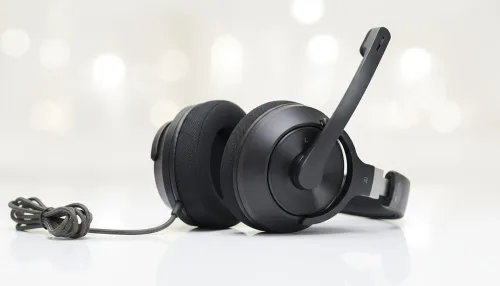
Stereo vs mono headsets: learn which delivers clearer calls, better spatial music, or simpler mono voice performance — pick the right headset for meetings, music, or gaming 🎧💬
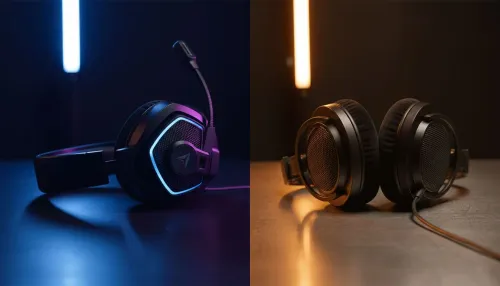
- Compare gaming headset vs studio headphones; - Assess comfort, mic and sound; - Recommend best daily picks. Gaming headset vs studio headphones: learn which suits work, music and casual gaming. 🎧⚖️