The first real decision any creator faces with audio is not which microphone sounds best, but how it connects, because that one choice shapes the whole setup. USB and XLR microphones split along a clean line: USB mics plug straight into a computer and work in seconds, while XLR mics route through an audio interface that supplies gain and 48V phantom power. Get this fork right and everything downstream falls into place. Get it wrong and you end up buying twice.
Quick Answer
Pick USB if you want one cable and zero fuss for podcasting, streaming, or calls. Pick XLR plus an audio interface if you want room to add a second mic, swap microphones later, or chase studio-grade sound. USB is the faster, cheaper start; XLR is the path that scales.
How the Two Connections Actually Differ
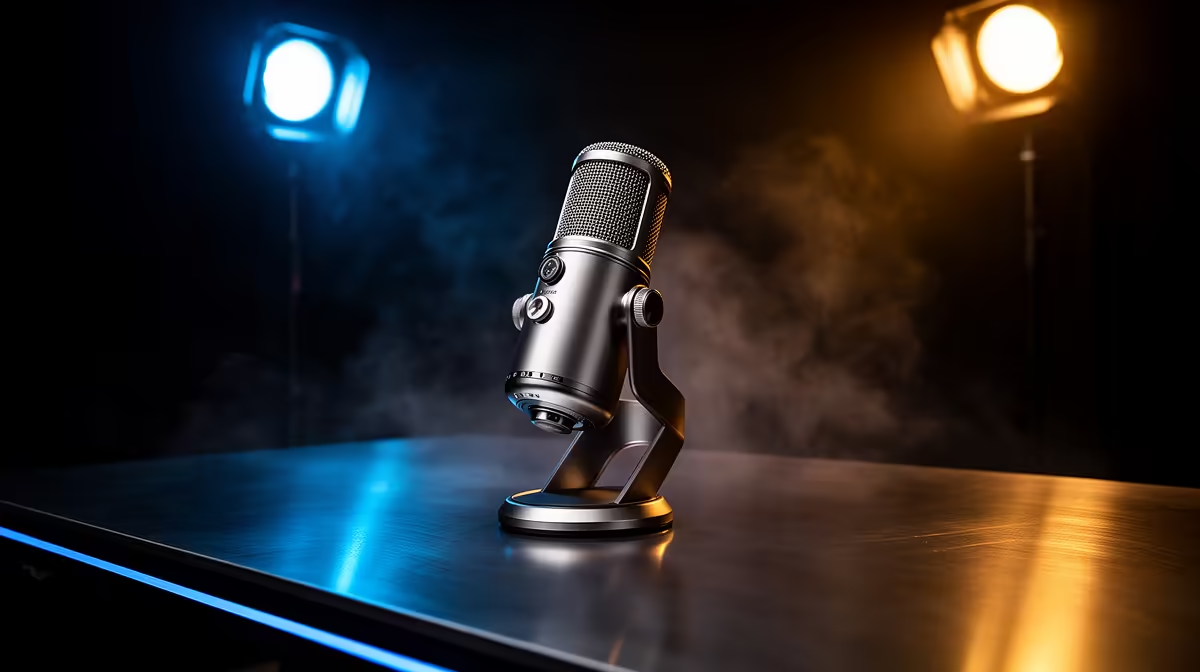
A USB microphone contains its own analogue-to-digital converter and preamp inside the body. The sound is captured, amplified, and converted to a digital signal right there, then sent to your computer over a single cable that the operating system recognises automatically. There is nothing else to buy and almost nothing to configure.
An XLR microphone is a purely analogue device. It produces a weak signal that must travel down a balanced cable to a separate box, the audio interface, which boosts it with a quality preamp, converts it to digital, and passes it to the computer. Condenser microphones go a step further: their capsule needs 48V phantom power to function at all, and the interface supplies that voltage down the same cable.
If you are starting from the headset-and-headphones side of a creator setup, it is worth seeing what Evetech stocks in headphones and headsets, since monitoring your own voice cleanly is half the battle when you record.
The Case for USB
USB earns its popularity through sheer convenience. You unbox the mic, plug it in, select it in your software, and record. There is no separate interface to power, no phantom power to enable, and no gain staging across two devices to balance. For someone recording a podcast at a desk, joining video calls, or starting a streaming channel, a good USB condenser delivers clean, broadcast-usable audio with the lowest possible barrier.
The modern crop of USB mics has narrowed the quality gap considerably. Many include a headphone jack on the body for low-latency monitoring, so you hear your own voice as you speak, plus onboard controls for gain and mute. The honest limitation is flexibility: most USB mics are a sealed system, so you cannot upgrade the preamp or run two of them cleanly into one machine, and the capsule you bought is the capsule you keep.
The Case for XLR and an Interface
XLR is the route professionals settle on because it separates the microphone from the conversion electronics. That separation is what lets you grow. You can start with one mic and one interface, then add a second microphone for a co-host, swap to a different mic as your needs change, or upgrade the interface for better preamps, all without replacing what you already own.
Why the Interface Matters
The audio interface is the heart of an XLR setup. It provides clean gain so quiet sources come up without adding hiss, it supplies the 48V phantom power that condenser mics require, and it converts the analogue signal with better components than most USB mics fit inside their bodies. A two-input interface is the common starting point, giving you room for a second mic or an instrument from day one.
Choosing the Microphone Type
Within the XLR world there are two broad families. Dynamic microphones use a moving coil and tolerate noisy rooms well, rejecting background sound and forgiving an untreated space, which is why they suit live streaming and rooms with hard surfaces. Condenser microphones are more sensitive and capture more detail, which flatters voice and acoustic sources but also picks up more of the room, so they reward a quieter, softer space. Many SA creators recording at home in a flat or bedroom lean dynamic for exactly this reason.
Matching the Setup to the Work
For a podcast with one host who wants a clean start, a USB condenser is hard to beat on time and cost. For a podcast that will eventually have two people at the table, XLR with a two-input interface saves you from rebuying later. Streamers in a lively, untreated room often do best with an XLR dynamic mic that ignores background noise, while voiceover and music creators chasing detail tend toward a condenser in a treated corner. Calls and meetings rarely justify more than a solid USB mic.
Whichever path you choose, comfortable closed-back monitoring keeps you honest about what you are actually recording. Check the top-selling headsets at Evetech to see which closed-back options SA creators are consistently choosing for recording and streaming use.
Frequently Asked Questions
Is a USB mic good enough for serious content?
Yes, for a single creator a good USB condenser produces clean, broadcast-usable audio with no extra gear. Its limits show only when you need multiple mics on one machine or want to upgrade preamps independently, which is where XLR pulls ahead.
Why do condenser microphones need phantom power?
A condenser capsule is electrically charged and needs 48V to operate, and without it the mic produces no usable signal. An audio interface supplies that voltage down the XLR cable, which is one reason XLR condensers cannot plug straight into a computer.
What does an audio interface actually do?
It boosts the weak analogue signal from an XLR mic with a clean preamp, supplies phantom power to condenser mics, and converts the sound to digital for your computer. It is the component that lets you run, swap, and upgrade XLR microphones over time.
Should I start with one mic or plan for two?
If a co-host or second source is on your horizon, start with a two-input interface and one XLR mic so adding the second later costs only a microphone. If you are solo for the foreseeable future, a USB mic keeps things simpler and cheaper.
Dynamic or condenser for a noisy home room?
A dynamic mic, because it rejects more background sound and forgives an untreated space. Condensers capture more detail but also more of the room, so they reward a quieter, softer corner with some soft furnishings to tame reflections.