Quick Answer
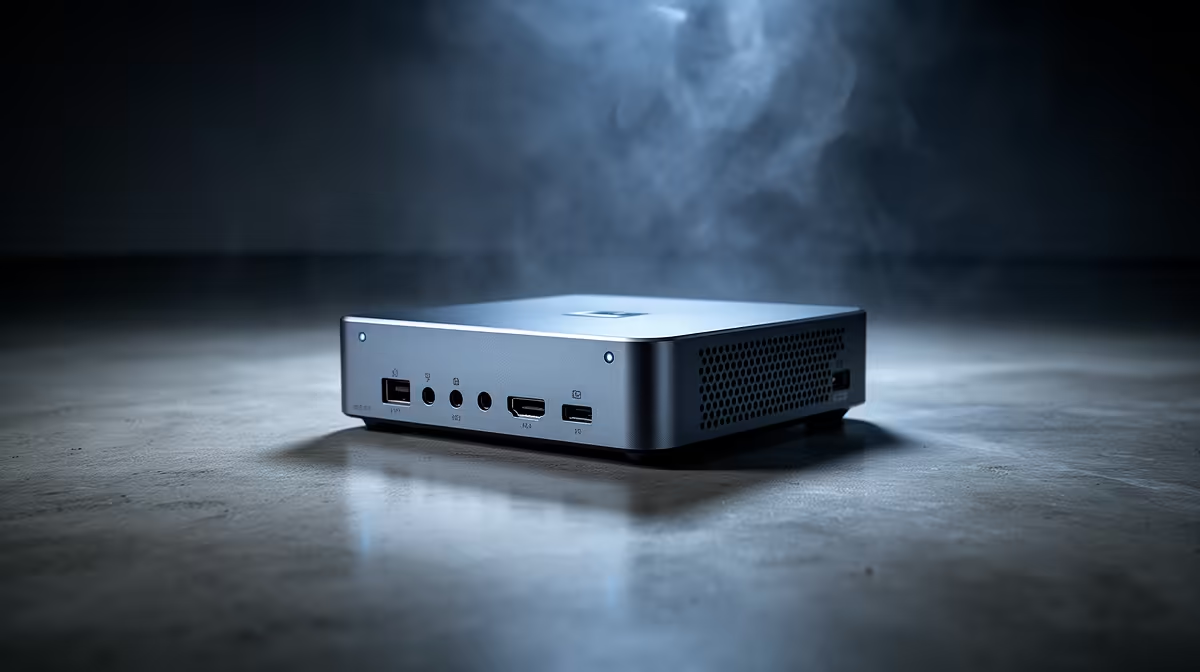
For deal hunters, a mini PC upgrade path goes from a barebones unit to adding RAM and storage yourself, then stepping to a higher-tier chip when prices drop. A barebones mini PC at R3,500 to R6,000 plus your own 16GB RAM and a 500GB NVMe SSD often beats a pre-built bundle on value.
Spend Less By Buying Smart
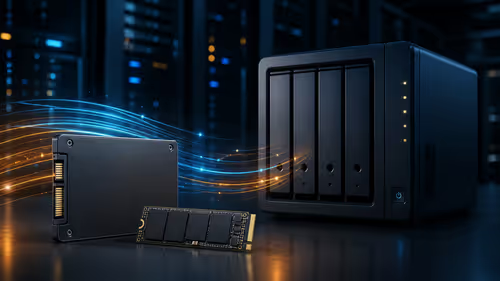
Deal hunters save most by buying a barebones mini PC and adding the cheap parts themselves. A barebones unit at R3,500 to R6,000 ships without RAM or storage, which you then fit: 16GB of DDR4 or DDR5 and a 500GB to 1TB NVMe SSD often cost less bought separately than baked into a pre-built bundle. This is the highest-value first step, since RAM and storage are simple, tool-light upgrades that cut the total price.
You notice the difference most in everyday snappiness from the SSD and 16GB RAM, not from headline chip specs.
The Upgrade Path That Pays Off
After RAM and storage, the next worthwhile step is waiting for a deal on a higher-tier mini PC or CPU only if your workload genuinely needs it. For browsing, office work, and media, a mid-range chip is plenty, so resist overspending on a top-tier model. Deal hunters get the best value by upgrading the parts that matter, RAM and an SSD, and skipping premium specs they will not use.
What To Watch When Hunting Deals
Check that a barebones mini PC supports the RAM type and capacity you plan to add, and that it has an NVMe M.2 slot for a fast SSD. Confirm the ports, display outputs, and Wi-Fi meet your needs before buying on price alone. A near-silent mini PC drawing 30W to 90W also pairs cheaply with a small UPS for clean shutdowns on the SA grid.
FAQ
How do deal hunters save on a mini PC?
Buy a barebones mini PC at R3,500 to R6,000 and add your own 16GB RAM and a 500GB NVMe SSD, which usually costs less than a pre-built bundle. RAM and storage give the most noticeable everyday improvement.
What mini PC upgrade gives the biggest improvement?
Adding a fast NVMe SSD and 16GB RAM. These deliver everyday snappiness and responsiveness more than a higher-tier chip, and they are simple, low-cost upgrades a deal hunter can fit themselves.
Do I need a top-tier mini PC for everyday use?
No. For browsing, office work, and media, a mid-range chip with 16GB RAM and an SSD is plenty. Save money by upgrading the parts that matter and skipping premium specs you will not use.
barebones mini PC and add your own 16GB RAM and NVMe SSD; it usually beats a pre-built bundle on price, and those two parts give the biggest everyday speed boost.